

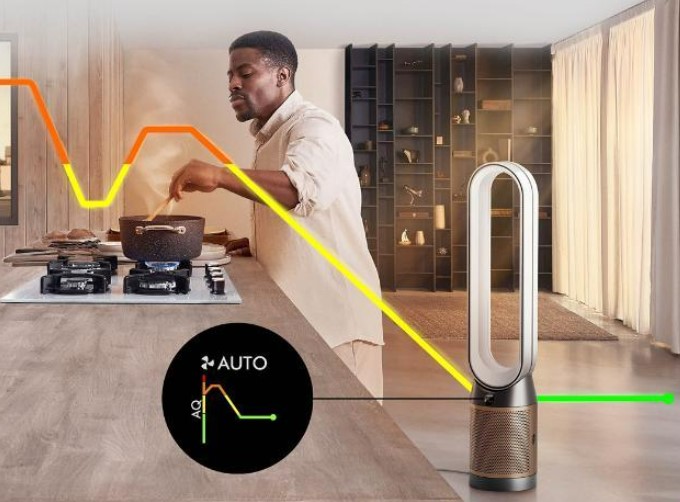
Indoor air quality has a direct impact on your health, comfort, and productivity. Many people assume that clean air simply comes from ventilation, but modern indoor environments often trap pollutants, allergens, and dry air. This is why tools like humidifiers and air purifiers have become essential for homes and workplaces looking to create a healthier environment.
Contents
Why Indoor Air Quality Matters More Than Ever
Most people spend a large portion of their day indoors, whether at home or in the office. Unfortunately, indoor air can contain dust, pollen, pet dander, smoke, and even harmful particles that affect breathing and overall health. At the same time, indoor air can become excessively dry due to air conditioning or heating systems.
This combination of pollution and dryness can lead to discomfort, allergies, and respiratory issues. That’s why improving indoor air is no longer optional—it’s a necessity.
What Air Purifiers Actually Do
Air purifiers are designed to remove harmful particles from the air. They work by pulling in air, filtering out pollutants, and releasing cleaner air back into the room. These devices are especially useful for people dealing with allergies, asthma, or sensitivity to airborne irritants.
Modern filtration systems can capture dust, pollen, smoke, bacteria, and even microscopic particles. According to experts, air purifiers are highly effective at reducing allergens and improving respiratory health by trapping contaminants inside filters.
They are particularly useful in urban environments, homes with pets, or areas with high pollution levels.
How Humidifiers Improve Comfort
While air purifiers focus on cleaning the air, humidifiers serve a different purpose—they add moisture. Dry air can cause irritated skin, sore throats, sinus problems, and poor sleep quality.
Humidifiers release water vapor into the air, helping maintain a balanced humidity level. This can reduce dryness-related discomfort and make breathing easier, especially during colder months or in air-conditioned spaces.
Maintaining proper humidity can also help protect furniture, improve skin hydration, and create a more comfortable living environment.
Key Differences Between the Two
Although both devices improve indoor air, they are not interchangeable. Air purifiers remove harmful particles, while humidifiers add moisture to dry air.
For example, if your main concern is dust, allergens, or smoke, an air purifier is the better choice. On the other hand, if you are experiencing dry skin, throat irritation, or nasal discomfort, a humidifier will be more effective.
Experts emphasize that each device solves a different problem, which is why understanding your specific needs is important.
Why Using Both Together Is Ideal
For the best results, many households benefit from using both devices together. When combined, they create a balanced indoor environment where the air is clean and properly hydrated.
Humidifiers help reduce dryness, while air purifiers remove harmful particles. This combination is especially helpful for people with allergies or respiratory conditions. In fact, adding moisture can make pollutants easier to capture, enhancing the effectiveness of air purification systems.
However, it’s important to maintain both devices properly. For example, humidifiers should be cleaned regularly to prevent bacteria or mold buildup.
Features to Look for in Modern Devices
When choosing between humidifiers and air purifiers, or deciding to use both, consider features that enhance performance:
- Advanced filtration systems for removing fine particles
- Adjustable humidity control for comfort
- Quiet operation for bedrooms and offices
- Smart sensors for real-time air quality monitoring
- Easy maintenance and cleaning
Modern devices often combine both functions into one unit, offering convenience and efficiency for users who want a complete solution.
Long-Term Benefits for Health and Productivity
Improving indoor air quality can have long-term benefits for both physical health and daily performance. Cleaner air reduces exposure to allergens and pollutants, while proper humidity levels prevent dryness and discomfort.
For businesses, this means better employee productivity and fewer health-related issues. For families, it creates a healthier living space, especially for children and older adults.
Conclusion
Creating a healthy indoor environment requires more than just ventilation. By using both humidifiers and air purifiers, you can address two major air quality issues—pollution and dryness—at the same time.
These devices work together to provide cleaner, more comfortable air, helping you breathe easier and live better. Whether you’re improving your home or workspace, investing in proper air treatment is a smart and practical decision.
