

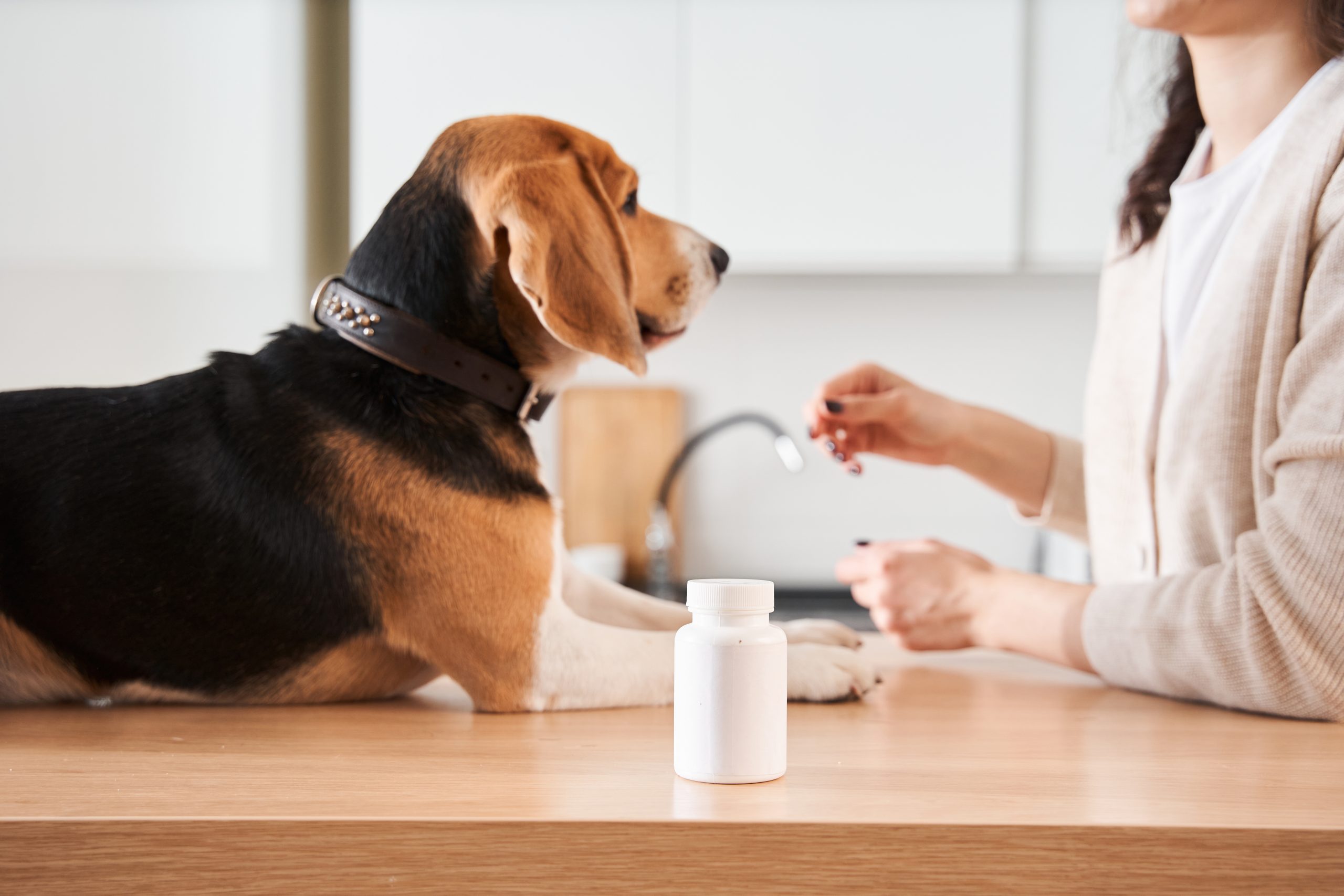
As pet owners, we continuously seek ways to improve the health and well-being of our furry companions. Probiotics, the beneficial bacteria that promote gut health, have garnered attention in human nutrition and are now recognized as a valuable supplement for dogs. By aiding digestion and supporting the immune system, probiotics offer a host of advantages for canine health. In this article, we’ll explore the various benefits of probiotics for dogs, delving into their role in maintaining optimal health. Keep reading to uncover how these microorganisms can make a significant difference in your dog’s life.
Probiotics for Dogs: Alleviating Allergies and Skin Conditions
Allergies and skin conditions in dogs can be tough to manage, often due to an overactive immune system reacting to allergens. Introducing a probiotic for dogs can help regulate this immune response and improve gut health, which in turn may lessen the severity of allergic reactions and skin issues. Probiotics can also benefit the skin directly by producing substances with antibacterial and antifungal properties, potentially leading to a healthier coat and less irritation.
Probiotics may support the gut-brain axis, which links digestive health to overall well-being. By calming the gut, probiotics can reduce stress and improve both mental and physical health in dogs. While not a cure-all, using a high-quality probiotic for dogs alongside other veterinary treatments can significantly aid in managing chronic allergies and skin conditions. For instance, many pet owners have found success using specific supplements like Dr. Marty Nature’s Blend, as seen in various Dr. Marty Nature’s Blend reviews, which highlight its role in enhancing overall pet health, including digestive and skin conditions.
Understanding Probiotics and Their Role in Canine Health
Probiotics are live microorganisms that play a crucial role in digestion and nutrient absorption in dogs. They aid in the breakdown of food, allowing dogs to extract more vitamins and minerals from their diet. Probiotics also promote a healthy gut environment by competing with harmful pathogens, preventing infections, and promoting a healthy microbiome.
Beyond digestion, probiotics have systemic effects, enhancing the immune system and making dogs better equipped to fight off diseases. This is especially important as dogs age and their immune defenses wane. Scientific studies support the importance of probiotics in canine health, making them an essential part of a holistic approach to pet care.
Enhancing Digestive Function with Probiotics for Dogs
Probiotics are essential for dogs’ digestive health, as they help break down difficult food substances, leading to better stool quality and less gastrointestinal upset. Consistent use of probiotics can improve a dog’s digestive comfort and regularity. Probiotics can also alleviate symptoms of irritable bowel syndrome (IBS) and inflammatory bowel disease (IBD), which can cause discomfort and lead to serious health issues if left unchecked.
Probiotics can replenish beneficial bacteria in the gut, speed up recovery, and prevent secondary infections, making them a crucial part of a comprehensive veterinary care plan. Probiotics can also help combat food intolerance and sensitivities by breaking down potentially irritating substances within the gut, contributing to a more tolerant and resilient digestive system.
Boosting Immune System Strength Through Probiotic Supplementation
Probiotics are essential for dogs’ immune function, as they enhance the gut wall’s integrity and communicate with immune cells. They boost the production of natural antibodies and immune cells, preparing dogs for better fight-off against infections and diseases. Probiotics are particularly beneficial during puppy and older dog stages.
Some probiotic strains have anti-inflammatory properties, which can help modulate the immune system’s response to non-threatening stimuli, especially for dogs with autoimmune disorders. Probiotics can also help dogs under stress, as stress negatively impacts gut health and immune function. By supporting both mental and physical well-being, probiotics are an excellent addition to a holistic approach to pet care.
Choosing the Right Probiotic Supplement for Your Dog
Selecting the right probiotic supplement for your dog is crucial, as it involves considering various factors. The specific strains of bacteria in the supplement are essential, as they offer unique benefits. Look for products with specific strains and research supporting their efficacy. Verify the CFU count to ensure the product contains live bacteria. The format of the probiotic supplementation, such as powders, capsules, chews, or added to certain dog foods, should also be considered. Some formats may include prebiotics, which feed the probiotics and enhance their benefits.
Quality and safety should be prioritized, choosing from reputable brands with rigorous testing. Consult a veterinarian for guidance on which probiotics are best suited for your dog’s unique health needs. Avoiding health claims and marketing hype, approach probiotic selection with a critical eye, emphasizing evidence-based choice and considering your dog’s health history. Probiotics should be part of a comprehensive healthcare plan tailored to your pet.
Overall, the incorporation of probiotics into your dog’s dietary regime opens a gateway to enhanced health and well-being that can have a profound effect on their quality of life. By boosting their digestive health, immune system, and skin condition, probiotics serve as an invaluable ally in your quest to offer your dog the happiest and healthiest existence possible.
