

Contents
- 1 Key Takeaways:
- 2 Table of Contents:
- 3 Introduction to Single-Tooth Implants
- 4 What Are Single-Tooth Implants?
- 5 Advantages of Choosing Single-Tooth Implants
- 6 Considerations Before Getting an Implant
- 7 The Success Rate of Implants
- 8 Patient Experience and Satisfaction
- 9 Long-Term Care and Maintenance
- 10 Conclusion
Key Takeaways:
- Single-tooth implants offer a permanent solution for missing teeth.
- The procedure has a high success rate and benefits oral health.
- Cost, time, and potential risks are important factors to consider.
Table of Contents:
- Introduction to Single-Tooth Implants
- What Are Single-Tooth Implants?
- Advantages of Choosing Single-Tooth Implants
- Considerations Before Getting an Implant
- The Success Rate of Implants
- Patient Experience and Satisfaction
- Long-Term Care and Maintenance
- Conclusion
Introduction to Single-Tooth Implants
Single-tooth implants have revolutionized dental restoration by offering a permanent and reliable solution for missing teeth. These implants provide individuals with a new tooth that looks natural and enhances their overall oral functionality. Adding a single tooth implant can boost a person’s confidence and improve daily life significantly, making it a popular choice among patients and dental professionals. But what makes single-tooth implants so beneficial?
What Are Single-Tooth Implants?
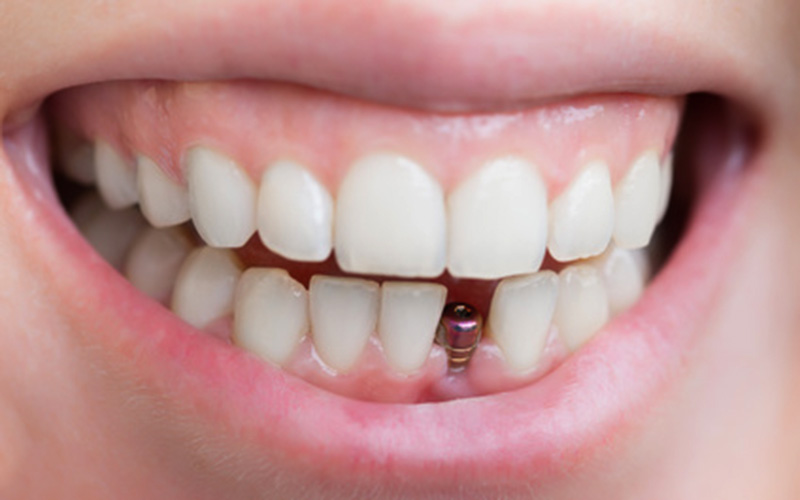
A single-tooth implant is a dental procedure that involves replacing a missing tooth with an implant that acts as a new root, topped with a crown that mimics the appearance of a natural tooth. The implant, usually made of titanium, integrates with the jawbone, providing a stable foundation for the crown. This ensures that neighboring teeth remain unaffected, and the implant offers a long-term solution that blends seamlessly with the rest of the teeth. Single tooth implants do not rely on adjacent teeth for support, unlike traditional bridges or dentures. This independence helps maintain the integrity of the surrounding teeth and jawbone.
Advantages of Choosing Single-Tooth Implants
The primary benefit of single-tooth implants is their durability and longevity. Single-tooth implants are designed to last a lifetime with proper care, unlike dentures or bridges, which may need replacement or adjustments over time. They also promote jawbone health by mimicking a natural tooth root, which helps to prevent bone loss and maintain facial structure. Promoting jawbone health is critical for preserving the natural contour of the face and jawline, which can deteriorate with missing teeth.
Preservation of Oral Structure
Integrating the implant with the jawbone, also known as osseointegration, helps maintain the bone’s density and prevents the deterioration often seen with tooth loss. This preservation is crucial for maintaining the natural contour of the face and jawline. Without the support of a natural tooth root or implant, the jawbone can atrophy, leading to changes in facial structure that might make a person appear older than they are.
Natural Appearance and Comfort
Single-tooth implants are designed to look and feel like natural teeth. The crowns are custom-made to match the surrounding teeth’ color, shape, and size, creating a seamless blend. This natural appearance improves aesthetic appeal and provides a comfortable and secure fit. Unlike dentures, which can slip or cause discomfort, single-tooth implants become a permanent part of your mouth, eliminating the worries of removable dental appliances.
Considerations Before Getting an Implant
While single-tooth implants have numerous benefits, potential candidates should consider various factors before proceeding with the implant process. The initial cost of implants can be higher than other dental solutions, and the process requires multiple visits and sufficient healing time. In order to find out if you are a good candidate, you must speak with a dentist. The consultation will typically involve a thorough examination, including X-rays, to assess the health of your jawbone and gums.
Eligibility and Health Conditions
The success of an implant may be impacted by certain medical problems, such as uncontrolled diabetes or severe gum disease. Appropriateness can be ascertained with the use of a comprehensive dental examination. Other factors influencing eligibility include smoking habits, bone density, and overall oral hygiene. In certain instances, further treatments like bone transplants could be required to guarantee the implant’s effectiveness.
Time and Procedure Length
From the first consultation until the crown’s final insertion, the complete procedure may take several months. This timeline covers the implant’s surgical implantation, the period of healing needed for osseointegration—the process by which the implant fused with the bone—and the crown’s final placement. By giving the implant more time to fully integrate with the jawbone, the longer timeline guarantees a stable and long-lasting treatment.
The Success Rate of Implants
Single-tooth implants boast a high success rate, often exceeding 95%. This high efficacy is due to advancements in dental technology and materials and stringent procedural protocols. The success rate can also be attributed to the patient’s commitment to proper oral hygiene and regular dental check-ups. Maintaining a consistent oral care routine and avoiding harmful habits like smoking can significantly impact the longevity and success of the implant.
Patient Experience and Satisfaction
Patients who opt for single-tooth implants often report high levels of satisfaction due to the implant’s stability and natural appearance. According to a study published on ADA News, many individuals experience a significant improvement in their quality of life post-implant. Eating, speaking, and smiling confidently without worrying about a missing tooth or unstable denture significantly enhances daily life.
Improved Quality of Life
With a secure and permanent tooth, tasks like eating, speaking, and smiling become more natural and comfortable. This improvement greatly enhances everyday life and contributes to overall well-being. Patients find that they can enjoy their favorite foods without restriction and speak clearly, boosting social interactions and self-confidence.
Psychological Benefits
Beyond functional improvements, the appeal of a complete, natural-looking smile cannot be overstated. The boost in self-esteem and confidence is a significant motivator for many patients choosing implants. A restored smile can profoundly affect a person’s mental health, helping them feel more confident in social and professional settings.
Long-Term Care and Maintenance
Maintaining a single-tooth implant is similar to caring for natural teeth. Brushing, flossing, and routine dental visits are paramount in ensuring the implant’s longevity. Patients should follow a consistent oral hygiene routine, including twice-daily brushing, daily flossing, and regular dental check-ups to monitor the health of the implant and surrounding tissues. Additionally, patients should avoid habits such as smoking, which can adversely affect implant success and overall oral health. Smoking can delay healing and raise the possibility of implant failure.
Conclusion
For tooth replacement, single-tooth implants provide a dependable and aesthetically beautiful option. By understanding the benefits, considerations, and maintenance involved, potential candidates can make an informed decision that enhances their smile and overall well-being. This comprehensive dental solution stands out for its durability, natural appearance, and ability to improve quality of life, making it a worthwhile option for those seeking long-term oral health solutions.
