

Contents
Introduction
In the ever-evolving world of interior design, businesses are constantly seeking materials that combine durability, aesthetics, and functionality. Solid surface materials, known for their seamless appearance and robust composition, have become a popular choice for commercial interiors. These materials are not only visually appealing but also practical, offering a range of benefits from easy maintenance to customizable design options. In a business environment, where first impressions and functionality are paramount, solid surface materials can significantly streamline operations and enhance the overall aesthetic. This article explores how incorporating solid surface materials into your business’s interior design can lead to both practical and visual improvements.
Understanding Solid Surface Materials
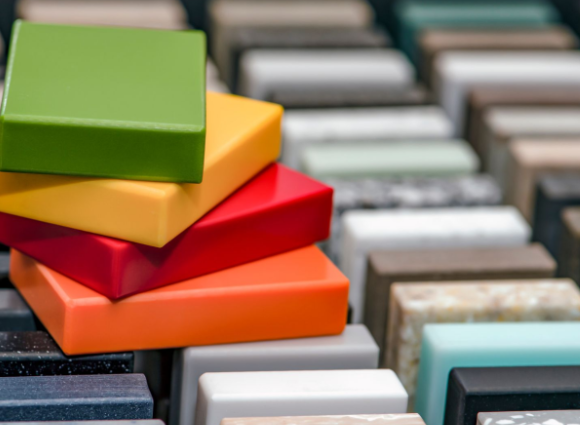
Solid surface materials are man-made composites typically composed of a mixture of acrylic, polyester resins, and natural minerals. This blend results in a non-porous, homogenous material that can be easily molded and fabricated. There are three common types: acrylic-based, polyester-based, and hybrid blends. Acrylic-based surfaces are known for their flexibility and ease of repair, while polyester-based options offer higher resistance to chemicals and a glossy finish. Hybrids combine the strengths of both. Key properties of solid surface materials include their durability, non-porous nature, and customization options, making them ideal for a wide range of commercial applications. KKR Stone, the leading solid surface manufacturer, provides a variety of options tailored to meet these requirements.
Benefits of Solid Surface Materials in Business Interiors
A. Durability and Longevity
Solid surface materials are exceptionally resistant to wear and tear, making them ideal for high-traffic commercial spaces. Their robust composition ensures long-term durability, translating to cost efficiency over time, as they require fewer replacements and repairs compared to other materials.
B. Hygiene and Maintenance
The non-porous nature of solid surface materials makes them easy to clean and maintain, which is crucial in settings like healthcare and hospitality where hygiene is paramount. These surfaces do not harbor bacteria or mold, ensuring a safer, more sanitary environment.
C. Design Flexibility
With a wide range of colors, finishes, and the ability to be molded into custom shapes, solid surface materials offer unparalleled design flexibility. This allows for seamless integration into various design themes and the creation of unique, aesthetically pleasing interiors that stand out. KKR Stone offers a broad spectrum of design options to cater to diverse business needs.
D. Sustainability
Solid surface materials are eco-friendly, with many options manufactured using sustainable practices. They are recyclable and produce minimal waste during production and installation. This sustainability makes them a responsible choice for businesses looking to minimize their environmental impact while maintaining high-quality interiors.
Applications of Solid Surface Materials in Commercial Spaces
A. Reception Areas
Reception areas are the first point of contact for clients and visitors, making it crucial to create a welcoming and professional impression. Solid surface materials can be used to craft sleek and modern reception desks that exude professionalism. Options range from minimalist designs with clean lines to more elaborate, custom-shaped desks that reflect the company’s brand identity.
B. Workstations and Desks
Incorporating solid surface materials into workstations and desks blends functionality with aesthetics. These materials are not only durable and easy to maintain but also customizable to fit ergonomic designs that enhance employee comfort. The ability to shape and mold the material allows for the creation of seamless desk surfaces with integrated storage solutions.
C. Bathrooms and Restrooms
Solid surface materials are perfect for bathrooms and restrooms, where hygiene and elegance are paramount. Their non-porous nature ensures easy cleaning and prevents bacterial growth. Design ideas include custom vanities, integrated sinks, and seamless wall panels that offer a sleek, modern look while maintaining high sanitation standards.
D. Kitchen and Dining Areas
In employee break rooms and cafeterias, solid surface materials offer both practical and attractive design solutions. These surfaces are easy to clean and maintain, making them ideal for food preparation and dining areas. Examples include durable countertops, integrated sinks, and custom dining tables that provide a comfortable and inviting space for employees to relax and socialize. The versatility in color and finish options allows for the creation of a cohesive and aesthetically pleasing dining environment.
Case Studies and Examples
A. Healthcare Facilities
In healthcare facilities, solid surface materials offer significant benefits, such as enhanced hygiene and durability. For example, a renowned hospital replaced its traditional countertops with solid surfaces from KKR Stone, resulting in easier maintenance and improved infection control. The non-porous material proved crucial in maintaining a sterile environment, showcasing its effectiveness in such critical settings.
B. Hotels and Hospitality
Hotels and hospitality venues have successfully utilized solid surface materials to achieve stylish yet practical interiors. A luxury hotel chain incorporated solid surfaces in their reception areas, guest bathrooms, and bar tops, achieving a cohesive and upscale look. The ease of cleaning and resistance to wear and tear led to positive guest experiences and reduced maintenance costs, proving their value in high-traffic environments.
C. Corporate Offices
In corporate offices, solid surface materials have been used to enhance both the appearance and functionality of workspaces. A leading tech company redesigned its headquarters using solid surfaces for workstations, meeting tables, and communal areas. The seamless design and customizable features improved workspace efficiency and aesthetics, creating an inviting and productive environment for employees. This transformation underscored the material’s versatility and appeal in modern office design.
Choosing the Right Solid Surface Material
When selecting the right solid surface material for your business, consider factors such as budget, design goals, and specific needs. Evaluate different brands and products to find options that meet your quality and aesthetic requirements. Look for materials that offer the best balance of durability, cost, and design flexibility. Working with professional fabricators and designers is crucial to achieving the best results. They can provide valuable insights and expertise, ensuring that the material is properly installed and integrated into your space. By considering these factors, and with the help of KKR Stone, you can make an informed decision that enhances your business interior.
Conclusion
In summary, solid surface materials offer a perfect blend of durability, hygiene, design flexibility, and sustainability, making them an excellent choice for business interiors. Whether used in reception areas, workstations, bathrooms, or dining spaces, these materials enhance both functionality and aesthetics. The positive impacts seen in healthcare facilities, hotels, and corporate offices highlight their versatility and effectiveness. As businesses strive to create inviting and efficient environments, exploring solid surface options can lead to significant improvements. Consider integrating these innovative materials into your next interior design project to elevate your business space to new heights.
