

Contents
Introduction
Amidst the relentless pursuit of innovation and technological advancement, the role of pressure sensors and transducers has become increasingly pivotal. As industries strive to optimize processes and safeguard operations, these small yet powerful devices provide critical data that enhances both safety and efficiency. From monitoring the pressure in industrial equipment to ensuring the safe operation of automobiles and aircraft, pressure sensors and transducers are integral to modern engineering solutions. This article dives into the multifaceted role of these devices, exploring their application in various sectors and their contribution to contemporary technological achievements.
Exploring the Basics of Pressure Sensors and Transducers
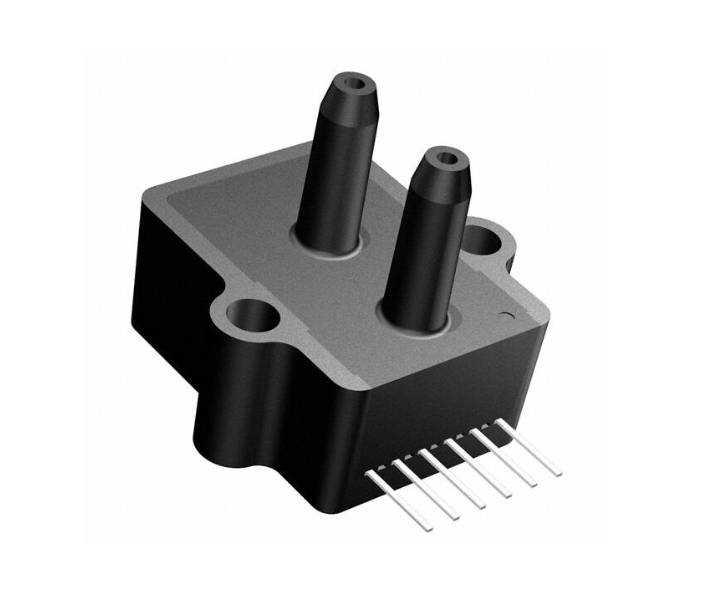
Pressure sensors and transducers are devices that measure pressure and convert it into an electrical signal that can be quantified. These instruments are essential in numerous applications, including automotive, aerospace, HVAC systems, and medical devices. By precisely measuring pressure, they enable real-time monitoring and control of systems, thereby preventing failures and increasing operational efficiency.
The Functionality and Types
Pressure sensors operate by detecting pressure and outputting a signal that is proportional to the force exerted by the fluid or gas. The main types include absolute, gauge, and differential pressure sensors, each serving unique applications. Absolute sensors measure pressure relative to a perfect vacuum, gauge sensors measure pressure relative to atmospheric pressure, and differential sensors measure the difference between two pressures. Transducers convert the pressure reading into a usable electrical signal, facilitating the integration of these data points into automated systems.
Importance in Safety and Efficiency
The safety applications of pressure sensors and transducers cannot be overstated. In industrial settings, these devices are crucial in detecting leaks, pressure buildups, and other anomalies that could lead to catastrophic failures. By providing accurate and timely data, they allow for the implementation of preventive maintenance schedules and rapid responses to potential hazards.
Precision in Industrial Processes
Beyond safety, pressure sensors and transducers enhance the efficiency of processes. By enabling detailed monitoring and control, they ensure that systems operate within optimal parameters, reducing energy consumption and material waste. In industries like chemical manufacturing or oil and gas, where precise pressure control is paramount, these devices are indispensable.
Applications Across Various Fields
The versatility of pressure sensors and transducers is evident in their widespread application across different sectors.
Automotive Industry
In the automotive industry, pressure sensors monitor tire pressure, enabling safe driving conditions and reducing the risk of accidents. They also play a vital role in the operation of engine management systems, ensuring optimal fuel efficiency and emission control.
Aerospace
Aerospace applications demand high precision and reliability, and pressure sensors are crucial in monitoring cabin pressure and hydraulic systems. These systems are paramount in maintaining safe and comfortable conditions for passengers and crew.
Healthcare
In healthcare, the accuracy of pressure sensors and transducers is essential for devices such as ventilators and blood pressure monitors. These devices rely on precise pressure readings to deliver effective patient care, making pressure sensors critical in life-saving technology.
Environmental Monitoring
Pressure sensors also contribute significantly to environmental monitoring, where they measure atmospheric pressure to predict weather changes or in the management of water resources.
Technological Advancements and Future Prospects
Recent advancements in sensor technology promise even more capabilities and applications. The development of miniaturized sensors with advanced materials allows for greater integration into varied systems, increasing the scope of applications.
Integration with IoT and AI
Integration with IoT technology allows pressure sensors to provide real-time data across interconnected networks, offering insights far beyond traditional applications. Artificial intelligence (AI) is also increasingly being combined with pressure data to predict trends and anomalies, providing even greater opportunities for proactive management.
Challenges and Considerations
Despite the remarkable advancements and extensive applications of pressure sensors and transducers, several challenges and considerations remain. Key among these is the need for high precision and reliability, especially in critical sectors like aerospace and healthcare, where the margin for error is minimal. The integration of sensors into existing systems often requires careful calibration and testing to ensure accuracy. Moreover, the durability of sensors in harsh environments, such as extreme temperatures or corrosive conditions, is an ongoing technical challenge. Addressing these issues requires continuous innovation in materials and design, as well as robust regulatory standards to ensure safety and efficacy across applications.
Conclusion
Pressure sensors and transducers are at the heart of numerous technological innovations and safety protocols, underscoring their importance in modern industry and everyday life. As technology continues to evolve, the demand for more sophisticated sensors will grow, driving further innovation in this critical field. These devices not only enhance the safety and efficiency of operations but also contribute significantly to the advancement of technology and the improvement of life quality worldwide.
