

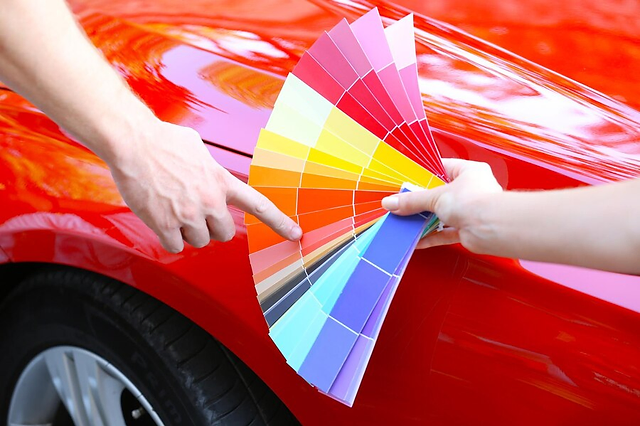
Getting the color match for your car’s paint is essential, starting with understanding the paint code. A mismatched paint job can impact how your vehicle looks and its resale value. By following these steps, you can prevent any issues with color discrepancies.
Contents
Introduction
It’s almost inevitable for car owners to experience scratches or chips in their vehicle’s paint. While these minor imperfections may seem insignificant at first, the real challenge arises when it comes time to fix them. Finding the matching color. Knowing your car’s paint code is crucial to ensure a seamless repair process. Whether you’re dealing with touch-ups or extensive painting tasks, achieving an accurate color match is key to maintaining your car’s visual appeal and preserving its worth. This article delves into the details of paint codes and modern color-matching techniques. Offers tips on avoiding errors to achieve a flawless end result.
The Significance of Precise Paint Matching
A precise paint match goes beyond aesthetics. Picture buying a suit only to discover that the jacket doesn’t quite match the pants, in color. The visible mismatch does not stand out. Also detracts from the overall look of the suit. Having paint that doesn’t match on your car can make it look less appealing. Could impact its resale value. Both dealerships and potential buyers pay attention to the consistency of the paint and a done touch up job may suggest neglect or lack of proper care leading to a decrease, in your cars selling price.
Figuring out your car’s paint code is essential but not too complicated. This code serves as an identifier to ensure any future touch-ups or repaints perfectly match your car’s factory color. Manufacturers typically place these codes in to find spots, so you won’t have to search high and low in your car to locate them.
Steps to Find Your Paint Code
Start by checking the sticker or placard on the drivers side door jamb since this is where paint codes are commonly found. If you don’t see it there take a look inside the glove box for a tag from the manufacturer. This tag usually includes details such as the paint code. If these places don’t yield results open the hood and search for any labels that mention paint codes; sometimes you’ll find the code listed there. Still no luck? Refer to your owner’s manual. Visit your manufacturer’s website for guidance. They often offer instructions, on how to locate your paint code based on your car model and year.
Advancements in Technology
Advancements in technology have transformed the way we match car paint colors. Gone are the days of guesswork and visual assessments. Nowadays professionals utilize tools like spectrophotometers to ensure a color match. These devices analyze the light spectrum reflected from your cars surface to determine the hue ensuring a blend between old and new paint. These cutting edge tools provide a match down to the smallest pigment particles used in your cars paint. While DIY touch up kits are easily accessible and may appear convenient the expertise of a professional can make an impact on the outcome. Professionals possess tools and extensive training that enable them to blend new paint with the existing coat. This level of expertise ensures that any repairs are virtually undetectable preserving your cars beauty and value.
Professional technicians take into account factors that can influence paint application, such as temperature, humidity and the specific area being repaired. Their experience helps them avoid mistakes, like surface preparation or improper paint blending. Opting for services can ultimately save you time, money. Spare you from dealing with the frustration of correcting a subpar repair job.
Common Errors to Steer Clear Of
There are mistakes that can result in a paint job that doesn’t quite match up all of which can be easily avoided with some knowledge and preparation.
- Not using the paint code: This may seem like a task. Its often overlooked. Always double check the paint code, before buying any touch up paint.
- Neglecting surface preparation: Having a surface is crucial for the paint to stick properly. Skipping this step could lead to peeling or an uneven finish.
- Failing to blend new paint: It is crucial to seamlessly blend the repaired section with the surrounding paint. Not doing so could leave lines and color differences.
- Using low quality materials: Opt for top notch paints and primers those recommended by your cars manufacturer. Lower quality materials might not offer a lasting or precise match.
Conclusion
Achieving a match for your cars paint requires attention to detail and commitment. By knowing where to find your cars paint code making use of color matching technologies and seeking advice when necessary you can preserve your vehicles appearance and resale value. Remember, a matched paint job isn’t just about visual appeal – it’s an investment, in your vehicles future. By following these measures you can keep your car in condition and maintain its value just like when you first purchased it.
