

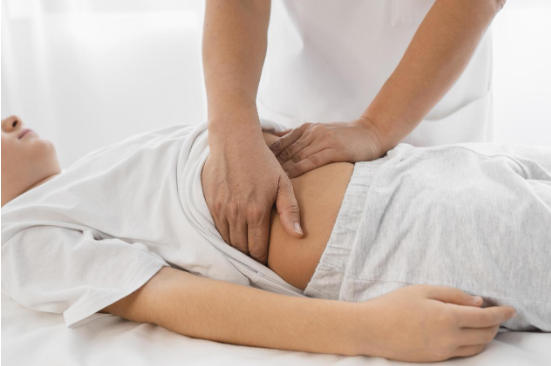
Old age indeed brings along a chain of different changes across the body. However, pelvic health needs to be accorded the attention it deserves. In general, pelvic health supports bladder and bowel control, sexual function, and physical stability. As the body naturally changes in old age, maintaining pelvic health is quite important. The blog discusses the impact of aging on pelvic health with guidelines to maintain function and comfort over time with the help of pelvic therapy in Orlando, FL.
Understanding Pelvic Health and Aging
It has muscles, ligaments, and connective tissues that support the bladder, the bowel, and the reproductive organs. With time, these muscles become weak, hence causing several health issues. Hormonal changes can be considered in terms of after menopause in women where there is a hormonal decline. The prostate problem leads to pelvic dysfunction in men. It is through understanding these alterations that one progresses towards maintaining health in the pelvic floor with aging.
Common Pelvic Health Issues During Aging
Aging contributes to several specific pelvic health problems that can affect both men and women. Some of the common problems associated with aging include the following:
Urinary Incontinence
Urinary incontinence is one of the most common problems with age. It makes urination almost impossible, especially when coughing, sneezing, or exercising because the pelvic floor muscles weaken.
Pelvic Organ Prolapse
Pelvic organ prolapse is the movement of pelvic organs, such as the bladder, uterus, or rectum, from their normal position and lies against the vaginal wall. The discomfort and the pain cause a great deal of discomfort as well, and severe cases require surgery.
Sexual Dysfunction
A weakened pelvic floor can also contribute to sexual dysfunction. For women, this may include pain with sexual intercourse or reduced sensation. Men may encounter erectile dysfunction or difficulty with ejaculation, which needs intervention from erectile dysfunction treatment in Orlando, FL.
How to Maintain Pelvic Health Over Time
While many challenges accompany the aging process, several preventive measures and practices can maintain pelvic health in function and comfort.
Strengthening Pelvic Floor Muscles
Strengthening exercises are one of the best types of support for pelvic health. Among the most recommended for building strength in the pelvic floor muscles are Kegel exercises. Kegels are performed by tightening and holding the muscles that stop urination and then releasing them. If carried out daily, they would greatly enhance muscle tone, significantly reducing symptoms of incontinence and prolapse.
Staying Active with Low-impact Exercises
Regular exercise is vital for health, but it is far from being less crucial for pelvic health. Low-impact exercises, including walking, swimming, and yoga, will help increase blood flow, muscle tone, and flexibility-all important considerations for the pelvic area. Some yoga poses, including the bridge pose and happy baby pose, also help strengthen the pelvic floor muscles and, hence, the core.
Maintaining a Healthy Weight
Too much weight can also exert additional pressure on the pelvic floor, which may increase other conditions, such as incontinence or even prolapse. Maintaining a healthy weight through nutrition and activity would help reduce strain in the pelvic area, thereby averting discomfort and dysfunction over time.
Proper Hydration and Bladder Health
Maintaining proper hydration is essential for bladder health. Most patients decrease water intake to fight urinary incontinence, yet reducing fluid intake exacerbates a host of other problems, including UTI. A better way to maintain hydration is by continuous use of water and the avoidance of irritating substances such as caffeine, alcohol, and spicy foods, which may act to exacerbate symptoms of incontinence.
Managing Pelvic Health with Medical Support
Professional intervention may be required for certain people to deal with their pelvic health. There are various treatments and interventions provided to people who have critical issues in their pelvic regions.
Pelvic Floor Physical Therapy
Pelvic floor physical therapy is very beneficial for people with urinary incontinence, pelvic pain, or prolapse. Trained therapists utilize manual techniques and exercises, along with biofeedback, to strengthen the pelvic floor and improve its function.
Hormone Replacement Therapy
Hormone replacement therapy or HRT may be justified for post-menopausal women to partly regain some of the balance of hormones implicated in the pelvic tissues. Estrogen promotes the elasticity and thickness of the vaginal and pelvic floor tissues, which can help mitigate symptoms caused by pelvic organ prolapse and incontinence.
Surgical Interventions
Surgery may be advised in cases where the prolapse of the pelvic organ or incontinence is severe. However, in most cases, surgery may only be a last resort, whereby procedures such as vaginal mesh implants or sling surgeries offer long-term relief. Still, surgery may only be recommended after other treatments have failed.
Promoting Pelvic Health Through Lifestyle Choices
There is more than exercise and medical interventions that promote long-term pelvic health. Some lifestyle decisions can help facilitate long-term pelvic health.
Quit Smoking
Smoking has recently been determined to be a risk factor for incontinence and pelvic organ prolapse, primarily due to its effects on the strength and elasticity of tissues. Quitting smoking can help improve health generally and reduce the strain on the pelvic floor.
Regular Check-ups and Early Intervention
Routine visits with healthcare providers help in the early detection of pelvic problems before they turn worse. This enables early action that prevents further worsening of the conditions into prolapse and even incontinence that may call for surgery.
Conclusion
Maintaining pelvic health can be a catalyst for graceful aging and comfort and function. Exercises that strengthen the pelvic floor, physical activity, a healthy body weight, and obtaining medical attention when necessary can help maintain one’s pelvic health through the ages. Rather than living a life under the assumption of pelvic dysfunction and how it will only progress, proactive measures will give a person the impetus to ensure a good quality of life well into their advanced years.
