

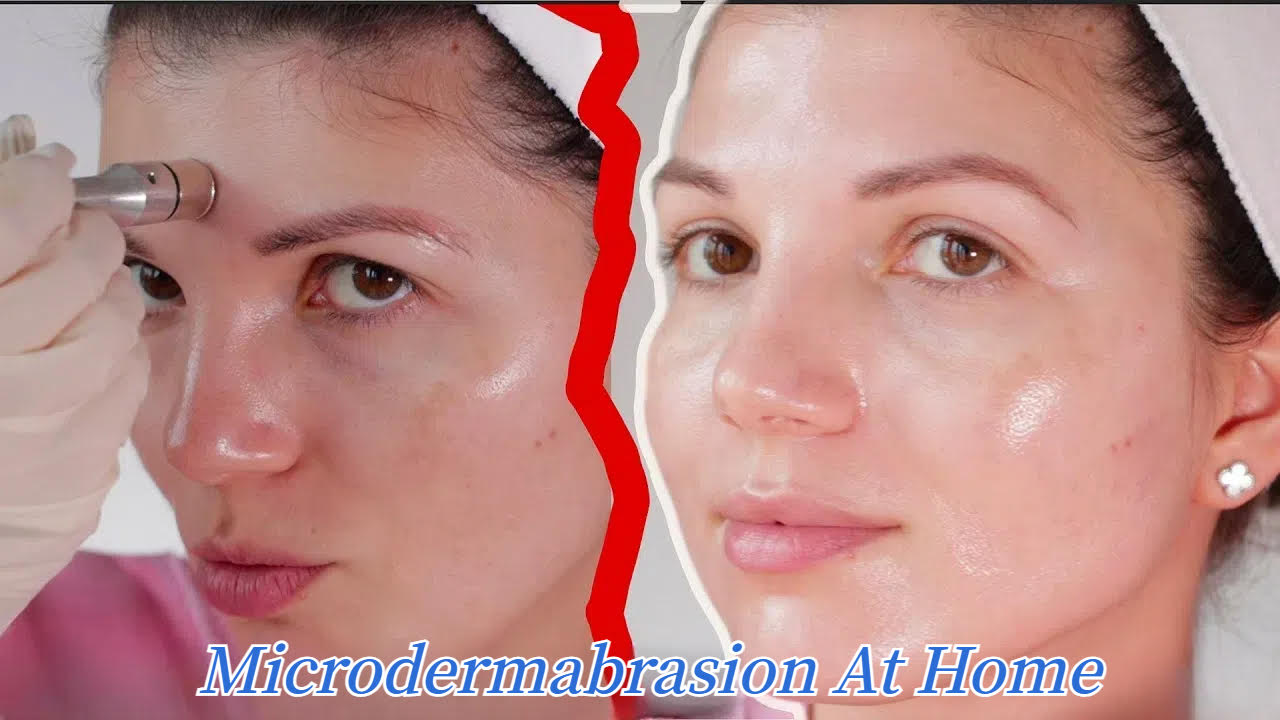
Microdermabrasion is a popular skin exfoliation treatment, more safer and requires less recovery time than other resurfacing procedures like laser resurfacing, chemical peels, and dermabrasion.
Contents
What Is Microdermabrasion?
Microdermabrasion is a non-invasive and painless skin-rejuvenation treatment. It exfoliates the skin using a fine abrasive tip or crystals, as well as vacuum suction, to remove impurities and dead skin. Microdermabrasion does not need anesthesia or the use of needles. The vacuum’s speed and pressure can be adjusted based on the degree of tolerance and response of your skin. Microdermabrasion typically feels harsh but delicate. A microdermabrasion treatment lasts around 30 to 40 minutes for the face and 20 minutes for the neck. You can instantly return to your daily activities after a session because little to no recovery time is required. You can use makeup and soothing creams right after a microdermabrasion session.
It removes the outer layer of the skin. It’s like brushing your teeth; it removes dirt and dead skin. Because human skin regenerates at about 30-day intervals, skin enhancement with microdermabrasion is transitory and must be done every 2 to 4 weeks for continuous improvement. Multiple treatments, along with sunscreen, UV protection, and other skin-care lotions and creams, produce the best effects.
Don’t confuse microdermabrasion with dermabrasion, an invasive treatment typically done by experienced plastic surgeons or dermatologists. Dermabrasion is a treatment for serious acne scars and requires anesthesia, as it can be painful.
Benefits of Microdermabrasion
- Improves the texture of the skin
- Non-invasive Treatment
- Reduces pigmentation
- Improves uneven skin tone
- Treats melasma
- Reduces scars
- Improves fine lines and wrinkles
- Improves the appearance of enlarged pores
- Removes blackheads
- Treats stretch marks and sun damage
- Reduces age spots
- Brightens dull skin
- Suitable for all skin types
- Clears clogged pores
- Painless treatment
- Improves overall skin complexion
Side Effects of Microdermabrasion
Microdermabrasion is usually considered safe, but if the microdermabrasion is not done properly, it can cause some temporary side effects, including:
- Scarring
- Bruising
- Sun sensitivity
- Dehydrated or flaking skin
- Repetition of cold sores
- Swelling
- Redness (similar to sunburn)
- Darkened or discolored skin on the treated area
- Stinging or burning sensation
Types of Microdermabrasion
1. Crystal Microdermabrasion
Crystal Microdermabrasion, the more popular form of microdermabrasion and the longer established, involves the use of super-fine crystals that pass through a microdermabrasion machine to a glass or stainless steel wand. The wand sprays the crystals over the skin, providing a sanding-like effect. Then, the device vacuums up the crystals and removes skin particles.
2. Diamond-Tip Microdermabrasion
Diamond-Tip Microdermabrasion is a modern and popular method, particularly for at-home treatments due to its safety and cleanliness. Unlike traditional methods that use crystals, this technique involves a wand with a diamond-encrusted tip which exfoliates the skin and removes impurities with a vacuum. The machine typically comes with different tips of varying coarseness for use on different parts of the body. Finer tips are ideal for the face, while rougher ones are more suitable for treating areas like stretch marks on the body.
How To Perform Microdermabrasion At Home?
At-home microdermabrasion machines save you time and money. These devices are effective just like a professional treatment. Though, microdermabrasion is not suitable for everyone. Consult your doctor before trying microdermabrasion at home, if you are pregnant, have sensitive skin, or have any other health concerns.
Here, is a detailed guide on how to do microdermabrasion at home:
Preparation
Since microdermabrasion aims to exfoliate your skin, avoid using other exfoliating products such as Retin-A exfoliating cream or scrubs for 2 to 3 days before the treatment. Cleanse your face gently and keep it nourished by using a daily moisturizer and drinking plenty of water.
Avoid hair removal procedures that might irritate your skin, such as threading and waxing, for 3 to 4 weeks before the treatment. If you’ve recently undergone a laser treatment, wait a few days before the first session. This procedure removes the outer layer of your skin from the treated area, which can potentially cause a microdermabrasion burn because the whole skin layers are not present.
Treatment
Start by turning on the microdermabrasion machine. Next, use your free hand to gently pull the target skin area. Then, move the handheld device against your skin using an upward circular motion. Finally, simply perform one or two rounds.
Aftercare And Tips To Get The Best Results
You will have a completely new layer of skin after microdermabrasion treatment, you must follow the given instructions as your skin recovers.
1. Use Sunscreen
To protect your new skin from UV rays, avoid direct sunlight for the first three days following the treatment and use sunscreen daily. It can encourage healthier skin in the long term by reducing the risk of uneven skin tone and patches, even skin cancer, and signs of aging. Start your day with a coat of sunscreen on your skin and reapply every 4 hours if you’ll be spending a long period outside.
2. Avoid Skin Irritation
As your skin recovers, apply soft, non-irritating products. Do not use any other exfoliants for at least three days after the treatment. Avoid rubbing, touching, or picking your skin, as this can hinder the healing process. Finally, avoid using retinol, glycolic acid, benzoyl peroxide, or topical acne treatments for 24 to 48 hours. Consult a doctor to ensure that your regular products are safe for your skin following treatment.
3. Moisturize More
Your new skin layer is more responsive to moisture, so use extra moisturizer than usual to help in the healing process. Failure to hydrate your skin can lead to the recurrence of problems such as dull spots and dry, flaky skin. Moisturize your skin in the morning, at bedtime, and during the day if it becomes dry.
4. Avoid Caffeine
Caffeine in coffee and tea is a leading cause of dry skin, despite its popularity among busy individuals. On top of the water, you should drink every day, consume the same quantity of water as you would if you were drinking coffee or tea. If you can’t drink enough water, reduce your coffee intake to prevent dry skin.
5. Wait To Workout
As your skin will be more sensitive in the initial days following microdermabrasion treatment. Avoid sweaty workouts for at least 48 hours after treatment to prevent irritation. If you want to workout, wear a headband to absorb sweat and wash your face quickly afterward.
6. Avoid Alcohol And Blood Thinners
Alcohol and blood thinners can slow the healing process. To aid speedy recovery, avoid drinking alcoholic drinks for 48 hours following your session and refrain from taking painkillers such as ibuprofen or aspirin for roughly a week.
7. Maintenance Treatments
Maintenance treatments are recommended since they promote skin health and deliver long-lasting effects. Continuous use of microdermabrasion can help minimize the look of scars, wrinkles, and blemishes. Maintenance treatments help keep your skin looking young, healthy, and shining for years to come.
FAQs
Q1. Is it safe to use microdermabrasion at home?
Yes, microdermabrasion at home is typically safe, but you must carefully follow the directions and select the appropriate product for your skin type.
Q2. Do at-home microdermabrasion devices work?
Yes, at-home microdermabrasion devices help exfoliate the skin and improve texture. However, results can vary, so use a high-quality device and carefully follow the directions.
Q3. How frequently should I use a microdermabrasion machine at home?
Microdermabrasion is suggested once a month for normal skin and once every 2 weeks for oily skin.
Q4. Who should avoid microdermabrasion?
Microdermabrasion is not suitable for everyone. Consult your doctor before the treatment if you have:
● Severe acne or are using acne medication.
● Contact dermatitis or cold sores.
● Freckles, moles, skin tags, and any other growths that alter size or form, or bleed.
● Eczema or psoriasis
Q5. How can I choose the best microdermabrasion machine for home use?
Here are some tips for choosing the right microdermabrasion device for home use:
● Reviews: Look for devices with positive customer reviews.
● Features: Consider the device’s features, such as adjustable suction levels and interchangeable heads.
● User-friendliness: Choose a user-friendly machine, that comes with precise instructions, and is easy to use and carry.
● Safety: Ensure the device is FDA-approved or meets safety standards.
Takeaway
Dealing with lifeless skin might make you feel anxious and wish there was a method to renew it. Microdermabrasion can fix your common skin problems by resurfacing your skin. It’s a wonderful choice for people looking for ways to get fresh, and smooth skin while also improving general health and healing of the skin. An at-home microdermabrasion device can help your skin come back to life, and by maintaining results with frequent sessions without paying professionals for each session, you can look your best for years.
