

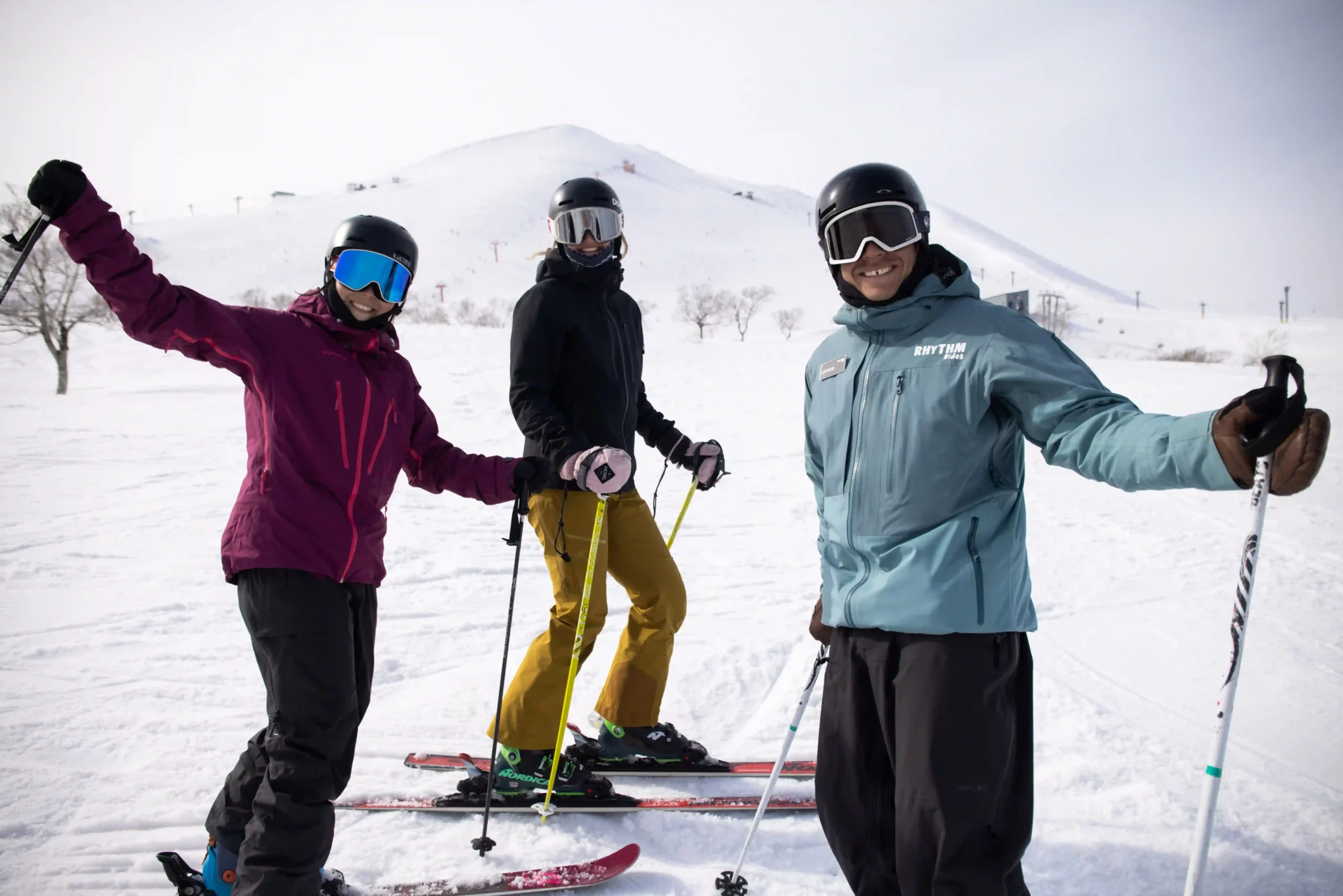
As the winter season approaches and the anticipation of skiing in one of Japan’s premier resorts, Niseko, builds up, effective practice and preparation become crucial for making the most of your experience. Niseko, known for its world-class snow and diverse terrain, offers unique challenges and opportunities for skiers of all skill levels. Whether you are an advanced skier or a novice looking to improve your skills, this comprehensive guide will provide you with essential Niseko ski practice tips and techniques to ensure a successful and enjoyable skiing adventure.
Contents
Understanding the Niseko Terrain
Niseko is celebrated for its diverse and challenging terrain, which offers something for skiers of all levels. To excel in this dynamic environment, it’s crucial to familiarize yourself with the different types of terrain and their unique characteristics. Proper understanding and preparation are essential for effective Niseko ski practice.
1. Groomed Slopes: Building a Solid Foundation
Groomed slopes in Niseko are meticulously maintained to provide a smooth, predictable surface ideal for honing fundamental skiing skills. These slopes are perfect for beginners as well as more advanced skiers looking to refine their technique.
Focus on Core Skills
Groomed slopes are excellent for focusing on the basics of skiing. During your Niseko ski practice, concentrate on maintaining a balanced stance with your weight evenly distributed over your skis and your knees slightly bent. This posture allows you to absorb shocks effectively and maintain better control. Practice making smooth, consistent turns to establish a solid foundation for more advanced techniques.
Carving Techniques
Carving is a vital technique for skiing efficiently on groomed runs. It involves using the edges of your skis to make clean, arced turns. During your Niseko ski practice, work on shifting your weight and angling your skis correctly to carve through the snow. Start at a slower speed to get comfortable with the carving motion, and as your confidence grows, gradually increase your speed while ensuring you maintain control and precision.
Speed Control
Managing your speed is essential for both safety and navigating varying terrains. Practice techniques like snowplowing and parallel turns to control your speed effectively. Snowplowing, or adopting the “pizza” position with your skis, is particularly useful for beginners to slow down and come to a stop. As you advance, focus on parallel turns to navigate more complex slopes and maintain control while skiing at higher speeds.
2. Off-Piste Terrain: Embracing Adventure
For advanced skiers looking to push their limits, Niseko’s off-piste terrain offers an exhilarating opportunity to explore untouched snow. This type of terrain is characterized by powder snow, natural obstacles, and uneven surfaces, all of which require specific skills and thorough preparation. Integrating these elements into your Niseko ski practice will help you handle the challenges of off-piste skiing safely and effectively.
Powder Skiing Techniques : Adjusting Your Stance and Weight Distribution
Skiing in powder snow demands different techniques compared to groomed slopes. In powder, your skis tend to sink into the snow, making it crucial to adjust your stance and weight distribution. During your Niseko ski practice, focus on keeping your weight centered and adopting a wider stance to stay on top of the snow. This stance helps distribute your weight more evenly, allowing for smoother, more controlled movements.
Practice Smooth, Flowing Movements
Powder skiing benefits from fluid, continuous movements. Practice making gradual, flowing turns to maintain balance and control in deeper snow. Avoid aggressive or abrupt movements that can cause you to lose your balance. Emphasize maintaining a steady rhythm and smooth transitions between turns to navigate the powder effectively.
Technique Development
As you develop your skills, gradually increase the depth of the powder you ski in. This will help you build confidence and refine your technique in more challenging conditions. Consistent Niseko ski practice in varied powder conditions will enhance your ability to handle different types of snow and terrain.
3. Terrain Parks: Mastering Freestyle Skills
Niseko’s terrain parks offer an exciting playground for skiers interested in freestyle skiing. These parks are equipped with various obstacles and features, such as rails, boxes, and jumps, providing ample opportunities to practice and perfect tricks. Incorporating these elements into your Niseko ski practice can help you develop your freestyle skills and enhance your overall skiing experience.
Starting with Basic Jumps : Begin with Fundamental Jumps
To start your freestyle journey, focus on mastering basic jumps and landing techniques. Begin with smaller jumps to build your confidence and ensure you can achieve proper height and distance. During your Niseko ski practice, emphasize smooth landings by keeping your body balanced and centered upon impact. This practice is essential for progressing to more advanced jumps and features.
Gradually Advance to Complex Jumps
As you become more comfortable with basic jumps, gradually progress to more complex features in the terrain park. During your Niseko ski practice, pay close attention to your body position and balance during both takeoff and landing to ensure stability and control. Practice different approaches and speeds to understand how they impact your jump and landing. This gradual progression will not only help you build the skills necessary for more challenging tricks but also enhance your overall performance and confidence in the terrain park.
Trick Techniques : Experiment with Various Tricks
Terrain parks are designed to allow skiers to experiment with a range of tricks. Start by practicing simple maneuvers, such as spins and grabs, on smaller features. Focus on executing each trick with precision and control. As you gain confidence, move on to more complex tricks and features. Your Niseko ski practice should include trying different tricks to understand their mechanics and how they affect your overall performance.
Essential Ski Practice Tips
To maximize your skiing experience in Niseko, incorporating these essential practice tips into your routine can enhance your skills and performance. Integrating these elements into your Niseko ski practice will help you refine your technique and make the most of your time on the slopes.
1. Perfecting Your Stance and Balance
A proper stance and balance are fundamental to effective skiing. Maintaining the right posture helps you stay in control and navigate various terrains more smoothly.
Centering Your Weight
Ensure your weight is centered over your skis to maintain stability and control. Avoid leaning too far forward or backward, as this can affect your balance and maneuverability. During your Niseko ski practice, focus on keeping your body aligned and centered while making turns and adjusting your speed. This balanced position helps you maintain control and respond effectively to changes in terrain.
Engaging Your Core
A strong core is essential for maintaining balance and stability during your skiing activities. To enhance your Niseko ski practice, engage your abdominal muscles to stabilize your body and improve your posture. Incorporate core exercises, such as planks, Russian twists, and leg raises, into your off-slope training routine. Building core strength and endurance through these exercises will contribute to a more stable and controlled experience on the slopes, allowing you to perform better and handle various skiing conditions with greater ease.
Adjusting Your Stance for Different Terrains
Different terrains require different stances. For groomed slopes, a balanced stance with slightly bent knees works well. For powder skiing, use a wider stance and adjust your weight distribution to stay on top of the snow. Incorporate practice in varied conditions during your Niseko ski practice to develop the flexibility to adapt your stance and technique according to the terrain you encounter. This adaptability will enhance your overall performance and comfort while skiing.
2. Enhancing Your Turning Techniques
Turning is a crucial aspect of skiing and plays a significant role in maneuvering through different terrains. Improving your turning techniques can enhance your control and efficiency on the slopes. Incorporate these tips into your Niseko Ski Practice to refine your turning skills and navigate various conditions with greater ease.
Carving Turns
Mastering Carving Techniques
Carving turns involve using the edges of your skis to create smooth, arced movements. During your Niseko ski practice, focus on shifting your weight and angling your skis to carve clean, precise turns. Start on groomed slopes to get a feel for the carving technique and then transition to off-piste terrain to build versatility and confidence. Carving not only improves your control but also enhances your overall skiing efficiency.
Practicing on Different Terrains
To become proficient at carving, practice on both groomed and off-piste terrain. Each type of terrain will challenge you differently, helping you adapt your technique to varying conditions. By including this in your Niseko ski practice, you’ll develop a more well-rounded skill set that prepares you for diverse skiing environments.
Improving Edge Grip
Effective edge control allows you to regulate your speed and direction with precision. Focus on edge control drills during your Niseko ski practice to improve your ability to grip the snow and execute controlled turns. Experiment with different edge angles and pressures to find the optimal balance for your skiing style.
3. Strength and Flexibility Training
Skiing demands significant strength and flexibility, particularly in your legs, core, and lower body. To enhance your skiing performance and make the most of your Niseko ski practice, incorporate targeted exercises into your training routine. Building both strength and flexibility will help you handle various skiing conditions with greater ease and reduce the risk of injury.
Strength Training
Building Leg Strength
Strength training is crucial for developing the muscles used in skiing. Incorporate exercises such as squats, lunges, and leg presses into your routine to target the quadriceps, hamstrings, and calves. These exercises build the lower body strength needed for powerful turns and sustained skiing performance. During your Niseko ski practice, you’ll benefit from increased leg strength, which enhances your control and endurance on the slopes.
Enhancing Overall Endurance
In addition to leg-specific exercises, focus on overall endurance and power. Incorporate cardio workouts like running, cycling, or rowing to improve your cardiovascular fitness. This will support your stamina during long skiing sessions and help you maintain energy throughout your Niseko ski practice.
Improving Range of Motion
Enhance your range of motion and reduce the risk of injury with regular flexibility exercises. Incorporate stretching routines that focus on your legs, hips, and lower back. Stretching exercises, such as hamstring stretches, hip flexor stretches, and lower back stretches, can improve your flexibility and contribute to a more comfortable skiing experience. Yoga and dynamic stretching are excellent ways to enhance flexibility and prepare your body for the demands of skiing.
Safety Considerations for Ski Practice
Safety is a crucial aspect of skiing, and adhering to proper safety protocols ensures a secure and enjoyable experience on the slopes. When engaging in Niseko ski practice, keeping these safety considerations in mind can help you avoid injuries and make the most of your time on the mountain.
1. Wear Proper Gear
Protective Equipment
Wearing the right gear is essential for both performance and protection. Always don a helmet, goggles, and gloves to safeguard yourself from potential injuries and adverse weather conditions. Helmets are critical for preventing head injuries, while goggles protect your eyes from the sun, wind, and snow. Ensure your helmet fits snugly and is adjusted correctly for optimal safety. Gloves are important for keeping your hands warm and functional in cold temperatures, enhancing both comfort and control during your Niseko ski practice.
Appropriate Ski Equipment
Choosing the right skis and poles is essential for a successful skiing experience. Select skis that match your skill level and the type of terrain you’ll be skiing on. Whether you’re practicing on groomed slopes, off-piste terrain, or terrain parks, consult with a professional to ensure you have the appropriate equipment. Properly fitted and adjusted skis and poles will improve your performance and safety. During your Niseko ski practice, having the right gear ensures better handling and control, contributing to a more enjoyable experience.
Regular Equipment Checks
Regularly inspecting your equipment for any signs of wear or damage is crucial. Ensure that your bindings are properly adjusted, and check that your skis and poles are in good condition. Worn-out or damaged equipment can affect your performance and increase the risk of accidents. Before each Niseko ski practice session, perform a thorough check of your gear to ensure everything is functioning correctly. Proper maintenance and timely repairs are essential for maintaining a safe skiing environment.
2. Consider Professional Ski Lessons
Taking ski lessons from a qualified instructor can offer valuable guidance and personalized feedback, enhancing your Niseko Ski Practice. Professional instruction not only helps you improve your technique but also ensures you’re practicing safely and efficiently.
Personalized Instruction : Tailored to Your Skill Level
Ski lessons provide personalized instruction that is specifically tailored to your skill level and skiing goals. Whether you’re a beginner learning the basics or an advanced skier looking to refine your technique, a qualified instructor can offer targeted advice and practical tips. During your Niseko ski practice, an instructor can help you address specific challenges you may face and provide strategies to overcome them, ultimately leading to improved performance on the slopes.
Individual Attention
Private lessons offer individualized attention, allowing you to focus on your unique needs and objectives. This one-on-one instruction is particularly beneficial for those who prefer personalized feedback and concentrated guidance. Private lessons can accelerate your learning process, giving you the tools and techniques necessary for a successful Niseko ski practice.
Group Lessons
Group lessons are a great option if you enjoy a social atmosphere and want to learn alongside other skiers. These lessons are often more cost-effective and provide opportunities to meet fellow enthusiasts. Group lessons also offer the benefit of learning from observing others’ techniques and challenges. They can be a fun and interactive way to enhance your Niseko ski practice while enjoying the camaraderie of other skiers.
3. Stay Informed About Weather and Conditions
Weather conditions play a crucial role in your skiing experience, affecting both your safety and enjoyment on the slopes. Staying informed about the latest weather updates and snow conditions is essential for effective Niseko ski practice. Here’s how to stay ahead of the weather and make the most of your skiing adventure:
Check Weather Forecasts : Monitor Forecasts Regularly
Regularly check weather forecasts to get a clear understanding of the expected conditions at Niseko. Pay attention to temperature fluctuations, snowfall amounts, and wind speeds, as these factors can significantly impact your Niseko ski practice. By keeping up with the forecast, you can plan your skiing activities around favorable conditions and avoid potentially hazardous weather.
Adjust Your Plans
Based on the weather forecast, adjust your skiing plans accordingly. For instance, if heavy snowfall or strong winds are expected, it might be wise to choose more sheltered slopes or postpone your practice to ensure a safer experience. Being adaptable in your planning helps you maximize the benefits of your Niseko ski practice while minimizing risks associated with adverse weather conditions.
Check Snow Reports
Snow conditions can vary greatly from day to day and across different areas of the resort. Before heading out, check the latest snow reports and assessments for Niseko. These reports provide valuable information about snow depth, quality, and potential hazards like icy patches or deep powder. Understanding these conditions helps you make informed decisions about where to ski and how to adjust your technique.
Preparing for Your Niseko Ski Trip
Effective preparation is key to making the most of your skiing adventure in Niseko. Here are some additional tips to ensure you’re fully prepared for your trip:
1. Plan Your Itinerary
Planning your itinerary is key to maximizing your enjoyment and ensuring a well-rounded experience in Niseko. A well-thought-out plan will help you balance skiing practice with relaxation and exploration, making your trip more fulfilling.
Research the Resortn : Understand Resort Facilities
Before your trip, take time to research Niseko’s resort facilities to get a comprehensive understanding of what’s available. Check out the different ski areas within the resort, such as Niseko Village, Hirafu, Annupuri, and Hanazono, each offering unique runs and experiences. Look into lift access to ensure you know the locations and operating hours of the lifts and gondolas.
Explore Dining and Accommodation Options
Niseko boasts a variety of dining options, from casual eateries to fine dining establishments. Research these options to find restaurants that suit your taste and budget. Also, explore accommodation choices, including hotels, lodges, and vacation rentals, to find the best fit for your group’s needs. Consider proximity to ski lifts and other amenities when choosing your lodging.
Check for Special Events and Services
Look into any special events or services offered by the resort during your stay. Niseko often hosts festivals, competitions, and other events that can add extra excitement to your trip. Additionally, check if the resort offers services such as ski lessons, equipment rentals, or guided tours to enhance your skiing experience.
2.Essential Ski Gear
Packing smartly is essential for ensuring that you have everything you need for a successful and enjoyable skiing adventure. Effective packing involves organizing your gear and essentials in a way that accommodates both the demands of skiing and your personal comfort.
Skis, Poles, and Boots
Your primary ski equipment includes skis, poles, and boots. Make sure your skis and poles are in good condition and suited to your skill level and the type of skiing you plan to do. When packing your boots, ensure they fit properly and are comfortable, as they are crucial for maintaining control and comfort on the slopes. If you are renting equipment, verify the arrangements in advance to ensure you get the right gear upon arrival.
Protective Equipment
Safety is paramount in skiing, so don’t forget essential protective gear. A well-fitting helmet is crucial for head protection, while goggles protect your eyes from glare and wind. Additionally, consider packing wrist guards and knee pads if you are prone to falls or if you’re skiing in challenging conditions.
Clothing for Varying Weather Conditions
Skiing requires clothing that can handle a range of weather conditions. Pack base layers that wick moisture away from your body, as well as insulating layers to keep you warm. Waterproof and windproof outer layers, including jackets and pants, are essential for protecting yourself from snow and wind. Warm gloves or mittens, as well as a thermal hat or beanie, will keep your extremities comfortable. Don’t forget ski socks; several pairs of moisture-wicking, thermal socks are a good idea to keep your feet dry and warm.
3. Stay Healthy and Hydrated
Staying healthy and hydrated is crucial for maximizing your performance and enjoyment on the slopes. Skiing demands physical endurance, strength, and flexibility, making proper self-care essential for a great experience.
Drink Plenty of Water
Hydration is key to maintaining energy levels and overall well-being. Aim to drink about 8-10 cups (2-2.5 liters) of water daily, and increase this amount on skiing days. Carry a water bottle and take regular sips throughout the day to avoid dehydration, which can lead to fatigue and muscle cramps.
Monitor Hydration Levels
Check your hydration status by observing the color of your urine. Clear or light yellow indicates good hydration, while dark yellow suggests you need more fluids. In cold, dry conditions, you may need extra hydration to compensate for moisture loss.
Balance Electrolytes
During intense skiing sessions, consider electrolyte drinks to replenish lost minerals like sodium, potassium, and magnesium. This helps maintain muscle function and prevent cramps.
Eat a Balanced Diet
Fuel your body with a variety of nutritious foods. Include fruits, vegetables, lean proteins, and whole grains in your diet to sustain energy and support muscle function. For pre-ski meals, opt for complex carbohydrates and proteins to provide lasting energy and avoid heaviness.
Conclusion
Mastering your skills with effective Niseko ski practice is crucial for an unforgettable skiing experience. By understanding the diverse terrain, focusing on essential techniques, and prioritizing safety, you’ll be well-prepared to tackle the slopes with confidence. For more information on planning your next skiing adventure and to explore all that Niseko has to offer, visit Niseko Supreme. Embrace the challenge, refine your skills, and get ready for an extraordinary winter adventure!
