

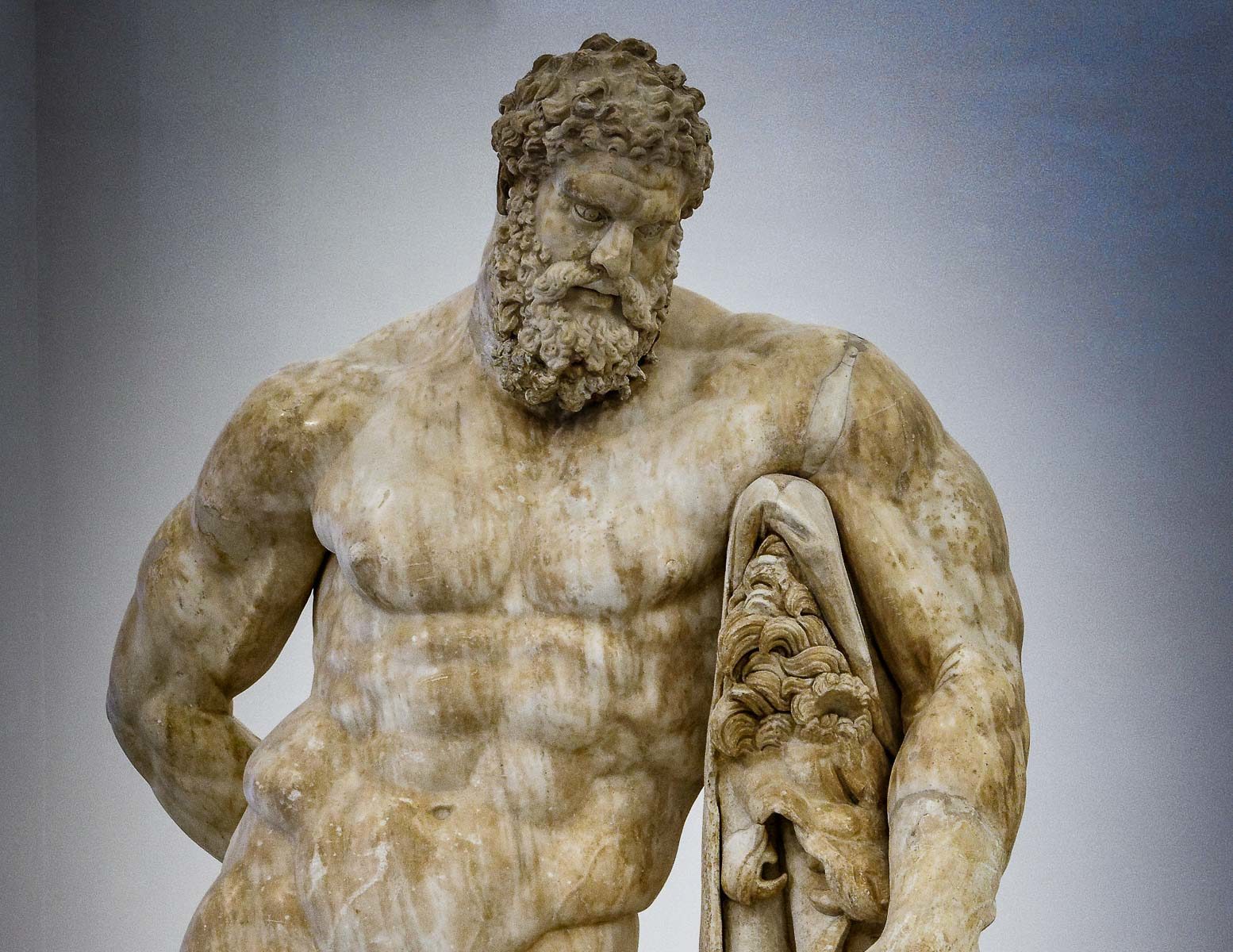
Marble has long been revered as a medium that immortalizes the beauty of human creativity and mythology. Among the countless marble sculptures that grace museums, public squares, and private collections worldwide, the Marble statue of Hercules stands out as a testament to both artistic prowess and cultural significance. This life-size representation of the mythological hero captures not only physical strength but also the enduring legacy of classical art.
A Glimpse into Mythology
Hercules, the son of Zeus and a mortal woman, Alcmene, is perhaps one of the most celebrated figures in Greek mythology. Renowned for his exceptional strength and bravery, Hercules undertook twelve legendary labors as penance for inadvertently causing the death of his wife and children. These labors, which included slaying mythical beasts and retrieving sacred objects, have been immortalized in literature, art, and now, in the timeless beauty of marble.
The Craftsmanship Behind the Statue
Crafted from fine marble, the statue of Hercules exemplifies the skill and dedication of ancient and modern sculptors alike. Each curve, muscle, and expression is painstakingly carved to evoke a sense of power and nobility. The choice of marble itself is symbolic; its smooth texture and luminous sheen not only enhance the physicality of Hercules but also elevate the statue to a symbol of divine strength.
Artistic Interpretations
Throughout history, artists have interpreted Hercules in various ways, reflecting cultural shifts and artistic trends. In ancient Greece, Hercules was depicted in various poses, often emphasizing his muscular physique and heroic deeds. During the Renaissance, artists like Michelangelo and Giambologna revitalized Hercules as a symbol of human potential and virtue, influencing subsequent interpretations across Europe.
Cultural Impact and Symbolism
Beyond its artistic merit, the Hercules statue holds profound cultural significance. In antiquity, statues of heroes like Hercules adorned temples and public spaces, serving as reminders of virtues such as courage and fortitude. Today, these statues continue to inspire awe and admiration, embodying ideals that transcend time and place.
Preservation and Restoration
The preservation of marble sculptures, including the Hercules statue, requires meticulous care and conservation efforts. Over centuries, exposure to environmental factors can degrade marble’s pristine beauty. Modern techniques in restoration ensure that these masterpieces remain accessible for future generations, allowing us to appreciate their artistic and historical value.
Global Presence and Influence
From the Vatican Museums to the Metropolitan Museum of Art, Hercules statues can be found in prestigious collections worldwide. Their presence in these institutions not only underscores their artistic merit but also highlights their enduring appeal across cultures. Whether in ancient Greece, Renaissance Italy, or contemporary America, Hercules continues to captivate and inspire audiences of all ages.
Appreciating the Hercules Statue Today
Today, the Hercules statue serves as more than a mere representation of mythological prowess. It stands as a beacon of artistic achievement, cultural heritage, and timeless beauty. Whether viewed in a museum setting or as part of a private collection, its presence invites contemplation on the human condition and the enduring quest for excellence.
Conclusion
In conclusion, the Hercules marble statue exemplifies the marvels of marble craftsmanship, blending mythology with artistic expression and cultural legacy. Its depiction of strength and virtue transcends time and continues to resonate with audiences worldwide. As we marvel at its intricacies and symbolism, we reaffirm the enduring power of art to inspire, educate, and connect us across generations.
