

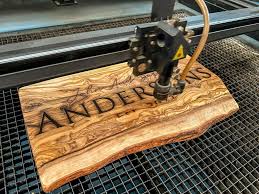
Laser engraving wood has emerged as a popular and versatile method for creating intricate designs and detailed artwork on a variety of wooden surfaces. From personalized gifts to professional signage, laser engraving opens up a world of creative possibilities. This ultimate guide will take you through the essentials of laser engraving wood, including the benefits, materials, equipment, techniques, and tips for achieving the best results.
Contents
What is Laser Engraving?
Laser engraving is a process that uses a laser beam to precisely remove material from the surface of an object, in this case, wood, to create a design or pattern. The laser’s intensity can be adjusted to control the depth and darkness of the engraving, allowing for intricate and highly detailed work. This technology offers a high degree of accuracy and repeatability, making it ideal for both artistic and functional applications.
Benefits of Laser Engraving Wood
- Precision and Detail: Laser engravers can produce extremely fine details that would be challenging or impossible to achieve with traditional woodworking tools.
- Versatility: From softwoods like pine to hardwoods like oak, laser engraving works on a wide range of wood types.
- Speed: Laser engraving is relatively fast compared to manual methods, allowing for quicker production times.
- Consistency: Once a design is set, it can be reproduced with perfect consistency across multiple pieces.
- Customization: Laser engraving allows for easy customization, making it perfect for personalized gifts, awards, and bespoke items.
Choosing the Right Wood
Not all wood types are created equal when it comes to laser engraving. The choice of wood can significantly impact the quality and appearance of the engraving. Here are some popular wood options:
- Birch: Known for its fine grain and light color, birch is excellent for detailed engravings.
- Maple: Hard and durable, maple offers a smooth surface that engraves well.
- Cherry: Cherry wood has a rich color that provides good contrast with engravings.
- Alder: This softwood engraves easily and produces a dark, crisp finish.
- Walnut: With its dark color and dense grain, walnut provides a luxurious look and feel.
Essential Equipment
- Laser Engraver: The core piece of equipment, available in various sizes and power levels. CO2 lasers are commonly used for wood engraving.
- Computer and Software: Design software like Adobe Illustrator, CorelDRAW, or specialized laser engraving software to create and manage designs.
- Ventilation System: Proper ventilation is crucial to remove smoke and fumes produced during the engraving process.
- Safety Gear: Protective eyewear and appropriate clothing to ensure safety during operation.
Techniques and Tips
- Preparation: Sand and clean the wood surface to remove any dirt or residues. This ensures a smooth and consistent engraving.
- Design Considerations: High-contrast designs with clear lines and details work best. Experiment with different patterns and shading to achieve desired effects.
- Settings: Adjust the laser’s power, speed, and frequency based on the type of wood and the complexity of the design. Test on a scrap piece to refine these settings.
- Focus: Ensure the laser beam is correctly focused on the wood surface. An out-of-focus beam can result in blurry or uneven engravings.
- Multiple Passes: For deeper engravings, use multiple passes with lower power settings rather than a single high-power pass to avoid burning the wood.
Common Applications
- Personalized Gifts: Names, dates, and messages can be engraved on wooden items like photo frames, cutting boards, and jewelry boxes.
- Home Décor: Custom signs, coasters, and wall art add a unique touch to home interiors.
- Business and Professional Use: Engraved business cards, office signs, and promotional items help businesses stand out.
- Art and Craft Projects: Artists can create detailed wood carvings and sculptures, pushing the boundaries of traditional woodworking.
Troubleshooting Tips
- Burn Marks: Reduce laser power or increase speed to prevent burning. Masking tape can also protect the wood surface.
- Inconsistent Engraving: Ensure the wood is flat and the laser is properly focused. Clean the lens and mirrors of the laser regularly.
- Charring: Use a higher speed or lower power setting, and ensure adequate ventilation to reduce smoke accumulation.
Conclusion
Laser engraving wood combines technology with craftsmanship, offering endless possibilities for creating beautiful and functional pieces. Whether you’re a hobbyist or a professional, understanding the nuances of laser engraving can enhance your projects and open up new avenues for creativity. With the right equipment, materials, and techniques, you can achieve stunning results and bring your wooden masterpieces to life.
