

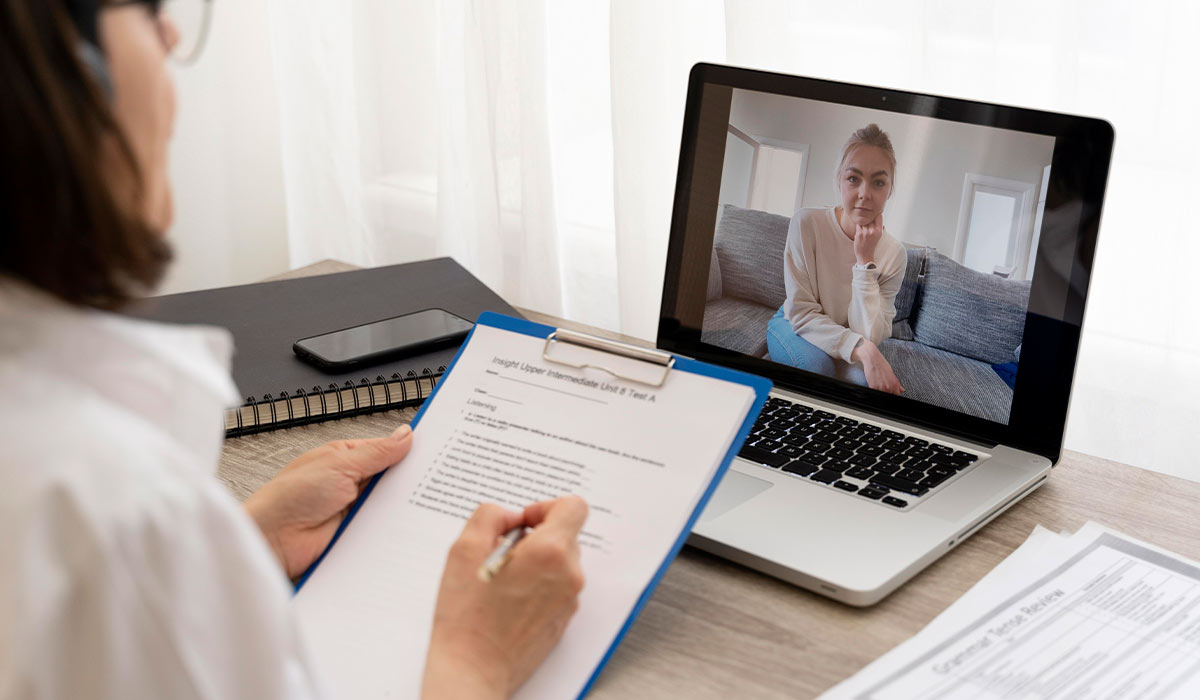
The exponential expansion of telemedicine creates a unique challenge: ensuring accurate and comprehensive medical records. Studies have shown that documentation quality suffers significantly during virtual consultations, with clinicians frequently balancing patient contact with precise note-taking.
This is where remote scribes in telemedicine, such as ScribeMedics, emerge as an effective solution. These highly educated specialists maintain extensive and precise documentation, essential for optimal patient care, by recording critical facts in real-time throughout these virtual visits.
This blog will look into the crucial role that remote scribes play in streamlining telemedicine processes and promoting a data-driven approach to patient well-being.
Contents
- 1 Why is Documentation Accuracy Important in the Telemedicine?
- 2 Importance of Remote Scribes In Telemedicine
- 3 How remote scribes integrate with telemedicine platforms and EHR systems.
- 4 Why Is ScribeMedics The Best Remote Medical Scribe?
- 5 Limitations of Remote Scribes and How ScribeMedics Help
- 6 Conclusion
- 7 Frequently Asked Questions
Why is Documentation Accuracy Important in the Telemedicine?
Keeping thorough and accurate medical records is crucial in this era of rapidly expanding telemedicine use when 70% of patients reportedly use virtual healthcare services.
Unlike regular in-person visits, maintaining documentation quality in the virtual environment poses a distinct difficulty. Research shows that during teleconsultations, the quality of the documentation significantly decreases.
Physicians frequently find it challenging to record essential facts in real time because they must balance note-taking with patient engagement. This has a cascading effect that affects patient care in several ways.
1. Protecting Patient Care: Inaccurate Documentation’s Chain Reaction
Incomplete documentation may initially make it more difficult to provide the best possible care. Incomplete records can result in a fragmented picture of a patient’s medical history, present state, and treatment plan. Medication mistakes, missed diagnoses, and delays in necessary therapies can all arise from this.
For example, if the notes from the telemedicine visit are not thorough, a cardiologist may overlook an essential item regarding a patient’s previous heart surgery. Adopting an incorrect treatment strategy might put the patient’s health at risk. The US healthcare system loses billions of dollars each year due to medical mistakes brought on by inadequate recordkeeping, underscoring the vital connection between accuracy and patient safety.
2. Consequences for Finances: The Price of Incomplete Records
Incomplete recordkeeping puts healthcare professionals at severe financial risk. Insurance claim denials caused by incomplete records might affect income sources.
According to a 2020 American Medical Association survey, doctors lose an average of $2,800 weekly due to claim denials caused by incomplete documentation. Furthermore, situations with inadequate documentation may result in malpractice claims, which puts further financial strain on the system.
3. Laying the Groundwork for Progress: The Potential of Data-Driven Telehealth
The foundation of healthcare quality improvement programs is reliable recordkeeping. Healthcare companies may monitor patterns, pinpoint areas for development, and fine-tune telemedicine procedures for the best possible patient results with the help of comprehensive telemedicine data.
By carefully reviewing their data, healthcare professionals can spot trends in patient presentations, how patients respond to therapy, and any telemedicine-related issues. Ultimately, patient care will benefit from this data-driven strategy, which enables ongoing telemedicine service improvement.
Conclusively, regulations mandate that the correctness of telemedicine documentation be upheld, and this plays a crucial role in impacting patient care, financial stability, and ongoing quality enhancement in healthcare delivery systems.
Importance of Remote Scribes In Telemedicine
Remote medical scribes are critical in telemedicine because accurate documentation is challenging to preserve. During teleconsultations, these highly skilled individuals serve as virtual assistants, taking crucial information in real-time.
Their presence relieves doctors of some of the workload so they may concentrate on diagnosing and interacting with patients without sacrificing the quality of their paperwork.
There are several methods by which remote scribes enhance telemedicine workflows:
1. Enhanced Accuracy:
Remote scribes provide thorough and error-free documentation by painstakingly recording medical history, current symptoms, prescriptions, and treatment plans. This lowers the possibility of misdiagnoses, drug mistakes, and therapy setbacks.
2. Enhanced Efficiency:
As the medical scribe concurrently records important facts, the doctor may focus on establishing a connection with the patient and performing a comprehensive examination during a teleconsultation. As a result, the virtual visit runs more smoothly, resulting in better patient care.
3. Enhanced Patient Contentment:
When the doctor gives the patient their undivided attention, the caliber of the teleconsultation might rise. As a result, patients may become more satisfied with their telemedicine experience.
4. Financial Benefits:
Remote scribes can help reduce the financial risks brought on by erroneous paperwork. By guaranteeing accurate and compliant documents, they lessen the likelihood of malpractice lawsuits and refuse insurance claims.
The use of remote scribes in telemedicine processes promotes a data-driven approach. Comprehensive recording allows for examining patterns in patient presentations, treatment responses, and telemedicine-related problems. This vital data enables healthcare professionals to fine-tune telemedicine practices and continually enhance the quality of virtual treatment.
How remote scribes integrate with telemedicine platforms and EHR systems.
Remote scribes play an important role in improving telemedicine by easily interacting with telemedicine platforms and Electronic Health Records (EHRs). This is how it works.
- Real-time Connection: During a telemedicine visit, the remote scribe joins the session via the telemedicine platform, allowing them to hear the doctor-patient dialog in real-time.
- Smart Documentation: Using their medical expertise and training, the scribe records crucial data from the conversation, such as the patient’s history, symptoms, prescriptions, and the doctor’s treatment plan.
- Seamless Integration: Remote scribe software frequently integrates with popular EHR systems. This allows them to securely communicate the documented information to the patient’s electronic health record on the platform.
- Reduced Workload: Remote scribes reduce doctors’ workload by automating documentation procedures. This allows them to focus on the most important: providing high-quality patient treatment throughout the telemedicine appointment.
In essence, remote scribes link the telemedicine platform and the EHR system, guaranteeing smooth information flow and enhanced documentation accuracy. This leads into improved patient care, higher provider satisfaction, and a more efficient telemedicine experience.
How Does ScribeMedics Help in Improving Document Accuracy in Telemedicine
While remote scribes have many benefits, ScribeMedics goes a step further by offering a dedicated solution for telemedicine documentation accuracy. Here’s what makes ScribeMedics stand out:
1. Expertise in Telehealth workflow:
ScribeMedics scribes have received extensive training in the subtleties of telemedicine consultations. They understand the distinct flow of virtual visits and are skilled at gathering essential information within this context. In contrast to a typical medical scribe, this guarantees they do not overlook critical telemedicine-specific facts.
2. Technology Integration:
ScribeMedics uses modern technological platforms that work well with popular telemedicine tools. This enables real-time recordkeeping and reduces workflow interruptions for healthcare practitioners. Additionally, ScribeMedics may use AI-powered voice recognition techniques to improve efficiency and accuracy.
3. Standardized Documentation Templates:
ScribeMedics provides pre-designed templates intended for telemedicine engagements. These templates promote uniformity and completeness in documentation, lowering the likelihood of mistakes and omissions.
4. Focus on Quality Assurance:
ScribeMedics promotes quality by implementing a thorough training program for their scribes. In addition, they use a multi-layered quality assurance procedure to guarantee that all paperwork is accurate and thorough.
Why Is ScribeMedics The Best Remote Medical Scribe?
In the ever-changing telemedicine scene, ScribeMedics emerges as a leader in remote medical scribing solutions. Here’s what separates them:
1. Unparallel Expertise:
Years of experience and a commitment to innovation have propelled ScribeMedics to the market’s top position. They painstakingly evaluate and educate their scribes to ensure a thorough awareness of hospital rules, medical terminology, and proper documentation techniques. This enables physicians to concentrate on patient care with the assurance that their virtual scribe is effortlessly capturing crucial facts.
2. Comprehensive Service Portfolio:
ScribeMedics offers a wide range of services in addition to remote writing. They provide a full range of virtual scribe services, including clinical documentation assistance, remote medical transcription, and real-time patient interaction scribing. This addresses the different demands of practitioners, increasing productivity, reducing paperwork burdens, and ultimately upgrading patient care quality.
3. Technological Prowess:
ScribeMedics uses cutting-edge technology to set itself apart from the competition. Their cutting-edge gear and software enable real-time scribing and effective record management. The seamless interface with leading EHR systems enables clinicians to optimize processes and ensure accessible, up-to-date medical notes.
4. Unwavering Commitment to Quality:
At ScribeMedics, quality and compliance come first. Their scribes receive extensive training and follow strict documentation rules. This focus results in medical records that are accurate, thorough, and comply with regulations. By maintaining these high standards, ScribeMedics enables healthcare professionals to reduce risk and improve patient outcomes.
5. Cost-Effectiveness in an era of rising costs:
ScribeMedics understands the financial difficulties that healthcare facilities face. Their remote medical scribe services are an affordable option for employing and training in-house workers. This enables healthcare institutions to reap the benefits of remote prescribing without sacrificing quality or value.
In conclusion, ScribeMedics is a complete and dependable partner for healthcare professionals looking to improve telemedicine documentation accuracy and efficiency. Their knowledge, commitment to quality, technical innovation, and cost-effective solutions position them as the best alternative for navigating the changing virtual care landscape.
Limitations of Remote Scribes and How ScribeMedics Help
While remote scribes provide several advantages, there are also restrictions and possible obstacles to consider. Here’s an overview of some typical issues and how ScribeMedics solves them:
1. Communication Challenges:
Remotely catching the subtleties of a conversation or requiring clarification might be more difficult than in person.
ScribeMedics Solution: They use highly trained scribes with strong communication abilities. Additionally, they provide real-time chat capabilities to allow for rapid clarification with the doctor throughout the consultation.
2. Technology Dependence:
Technical faults or internet outages can disrupt operations and cause documentation delays.
ScribeMedics Solution: To reduce downtime, ScribeMedics prioritizes rigorous cybersecurity protections and system redundancy. Backup solutions allow documentation completion even in the event of technical difficulties.
3. Data Security and Privacy:
The transmission of sensitive patient information remotely poses security issues.
ScribeMedics Solution: They prioritize HIPAA compliance and use cutting-edge encryption technologies to protect patient data. Regular security assessments and adherence to strong data privacy standards ensure that information is secured.
4. Standardized Training:
Training and experience levels vary among remote scribes, which might influence documentation quality.
ScribeMedics Solution: They use a rigorous recruitment procedure and provide extensive training to their scribes, which assures a consistent level of competence and compliance with best practices.
By solving these restrictions, ScribeMedics hopes to offer a dependable and secure remote scribe solution that interfaces smoothly with telemedicine platforms and EHR systems. This enables healthcare professionals to reap the benefits of remote scribes without sacrificing patient care or data security.
Conclusion
ScribeMedics is more than just a medical transcription firm. They are industry leaders, providing a holistic solution based on professional experience, cutting-edge technology, and an unrelenting dedication to quality and safety. Their numerous virtual scribe services address the individual demands of medical professionals, increasing efficiency and improving patient care standards. ScribeMedics, by embracing innovation, is at the forefront of revolutionizing telemedicine documentation accuracy and creating the future of healthcare.
Ready to experience the transforming power of remote scribing? Visit ScribeMedics’ website or contact them now. Investing in the top online medical secretary services allows you to optimize processes, improve patient care, and take your business to the next level.
Frequently Asked Questions
1. What are the duties of a remote medical scribe?
Remote scribes help clinicians practice telemedicine by recording patient information in real-time during video consultations. They transcribe medical histories, exams, and treatment plans, producing accurate and comprehensive electronic health records.
2. What is the role of a virtual scribe?
Virtual scribes serve as remote telemedicine helpers, recording critical patient information during consultations. They chronicle medical history, exams, and treatment plans, providing accurate and comprehensive digital medical records.
3. Can you scribe remotely?
Yes, you can transcribe remotely! This is a burgeoning discipline known as remote medical scribing, in which you help doctors with telemedicine by capturing patient data remotely.
4. What are the duties and responsibilities of a medical scribe?
Medical scribes aid clinicians with paperwork, whether remotely or in person. They:
- Take notes on the patient’s history, exam results, and treatment plans during visits.
- Transcribing information in real-time will ensure that electronic health records are accurate and thorough.
- May be responsible for managing test results and other medical data.
- Assist physicians with administrative activities to increase workflow efficiency.
5. What is the primary role of the scribe?
A scribe’s primary responsibility is to reduce a physician’s paperwork load by gathering and documenting patient information in real-time during consultations. This provides accurate and full medical records, allowing the clinician to focus on patient care.
6. Is remote scribing clinical?
Remote scribing, which entails dealing with medical information and paperwork, is not considered direct clinical experience. Although it supports clinical treatment, it is administrative, manual, or technological.
