

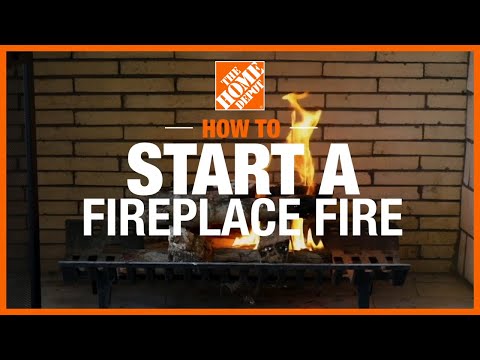
There’s nothing quite like the warmth and ambiance of a crackling fire on a chilly night. But starting a fireplace fire is an art form that takes practice. With the right techniques, you can get that cozy blaze going in no time.
This guide covers all the essentials – from preparing the fireplace to building and maintaining the perfect fire. Let’s begin your journey to becoming a fire-starting pro!
Contents
How to start a fireplace fire?
Prepare the fireplace by cleaning it and ensuring ventilation. Build the fire by creating a base with kindling and arranging firewood in a log cabin or teepee style, leaving space for airflow. Light the kindling and gradually add larger logs as the fire grows.
Key Takeaways:
- Prepare the fireplace by cleaning it, ensuring proper ventilation, and gathering the right materials (seasoned firewood, kindling, firelighters).
- Build the fire using the log cabin or teepee method, allowing for good airflow.
- Maintain the fire by adding logs judiciously, controlling airflow with the damper, and practicing safety precautions.
- Troubleshoot issues like smoke buildup, dying fires, and excessive sparks.
Preparing the Fireplace
Before you light that first match, proper preparation is key. Follow these steps to ensure a safe and successful fire.
Clean the Fireplace and Chimney
A clean fireplace is a safe fireplace. Start by removing any ashes or debris from the previous fire. Use a sturdy brush and shovel to clear out the firebox. Next, inspect the chimney for any obstructions like bird nests or built-up creosote. Consider hiring a professional chimney sweep annually for a thorough cleaning.
Ensure Proper Ventilation
Open the damper fully to allow smoke and gases to escape up the chimney. Check that the damper moves freely and isn’t stuck shut. If you have glass doors, keep them open while the fire is burning to promote airflow.
Gather Your Materials
Have all your fire-starting materials within arm’s reach. You’ll need seasoned firewood, kindling (small sticks or rolled-up newspaper), and a firelighter (commercial log or fatwood). A fireplace tool set, including a poker and tongs, will also come in handy.
Choose the Right Firewood
Opt for dense, seasoned hardwoods like oak, maple, or birch. Avoid soft, resinous woods like pine, which can cause excessive sparking and creosote buildup. Store your firewood in a dry, sheltered area to keep it in prime condition.
With a clean, well-ventilated fireplace and the right materials on hand, you’re ready to build your fire masterpiece!
If your fireplace isn’t well-maintained, you can buy a new one with a popular store called The Torch Guys where they deliver the package to your doorstep without any extra charges.
Building the Fire
With your fireplace prepped and materials ready, it’s time to construct the perfect fire. Follow these steps to build a roaring blaze that will keep you toasty all night long.
Creating the Base
Start by crumpling a few sheets of newspaper and placing them in the back of the firebox. This will be the base for your kindling. Next, arrange your kindling in a crisscross pattern on top of the paper. Leave enough space between the pieces for air to circulate freely.
Add a couple of fatwood or firelighter cubes to the kindling stack. These will help ignite the fire quickly and evenly. Remember, proper airflow is crucial, so don’t pack the kindling too tightly.
Adding the Firewood
Once your kindling is in place, it’s time to strategically stack the firewood. Two popular arrangements are the log cabin and the teepee.
For the log cabin style, place two split logs parallel on the andirons or fireplace grate. Stack two more logs perpendicularly on top, creating a square opening in the center for airflow. Continue alternating the log placement, leaving space between each layer.
The teepee method involves leaning your split logs against one another at an inward angle, forming a cone shape with an open center. This arrangement promotes excellent airflow and allows the fire to catch quickly.
Regardless of the style you choose, use a mix of log sizes – smaller pieces will ignite first, while larger logs will sustain the fire once it’s established.
Lighting the Fire
With your firewood perfectly arranged, light the kindling using long matches or a fireplace lighter. Allow the kindling to catch fully before adding more wood.
For successful lighting, gently blow on the base of the fire to introduce more oxygen. As the fire grows, gradually add larger logs, keeping the arrangement loose and maintaining good airflow.
Be patient and let the fire build at its own pace. With the right structure and airflow, you’ll soon have a beautiful, warm blaze to enjoy.
Maintaining the Fire
Once your fire is roaring, the real work begins – keeping it burning steadily and safely throughout the evening. Follow these tips to maintain your cozy blaze.
Adding More Firewood
As the initial logs burn down, you’ll need to replenish the fire with fresh wood. Use your fireplace tools to gently rake the existing coals toward the front of the firebox. This will create a well for adding new logs.
When placing additional firewood, position the pieces in a parallel arrangement, perpendicular to the previous layer. This crisscross pattern promotes good airflow and allows the logs to catch evenly.
Controlling the Airflow
Adjusting the airflow is key to maintaining your fire’s intensity. Too much air can cause the fire to burn too quickly, while too little will smother the flames.
If the fire seems sluggish, open the damper wider or use the poker to create more space between the logs. For a raging fire that’s difficult to control, partially close the damper to restrict oxygen flow.
Safety Precautions
Always use fireplace tools when tending to the fire, as logs and embers can be extremely hot. Keep a non-combustible surface clear in front of the fireplace to catch any errant sparks or rolling logs.
Never leave a fire unattended, and ensure all combustible materials (curtains, furniture, etc.) are at a safe distance from the hearth.
By adding wood judiciously, regulating the airflow, and exercising caution, you can enjoy a warm, inviting fire for hours on end. Relax, grab a cozy blanket, and bask in the flickering glow.
Troubleshooting Common Issues
Even seasoned fire-starters can run into problems now and then. Don’t get discouraged – here are some solutions for common fireplace woes.
Dealing with Smoke Buildup
If smoke is filling the room instead of going up the chimney, check that the damper is fully open. Insufficient airflow is often the culprit. Use the poker to create more space between the logs, allowing better ventilation.
If the issue persists, the chimney may be obstructed. Safely extinguish the fire and schedule a professional chimney sweep.
Reviving a Dying Fire
As logs burn down, the fire may start to dwindle. To revive the flames, use the poker to gently flatten the coals and add fresh kindling on top. Once the kindling is crackling, add a few small split logs.
Preventing Excessive Sparks or Embers
Overly dry or resinous woods can cause erratic popping and shooting embers. Stick to well-seasoned hardwoods and burn only one or two logs at a time. Use the fireplace tools to position logs securely.
Handling Chimney Fires
In the rare event of a chimney fire, keep a level head. Quickly close the damper and any air inlets to deprive the fire of oxygen. Immediately evacuate and call the fire department. Don’t attempt to extinguish the fire yourself.
With some basic troubleshooting knowledge, you’ll be prepared to handle any fireplace hiccups that may arise.
Frequently Asked Questions
1. Can I use lighter fluid to start my fire?
It’s best to avoid lighter fluid or other flammable liquids. They can create dangerous flare-ups and leave behind unpleasant odors. Stick to solid firelighters or Fatwood instead.
2. How do I know if my firewood is seasoned?
Well-seasoned firewood will have darkened ends with visible cracks or splits. It should feel noticeably lighter than green wood. For best results, use wood that’s been drying for 6-12 months.
3. Is it okay to burn wrapping paper or cardboard?
While tempting for quick kindling, these materials can release harmful chemicals when burned. Use dry, untreated wood or newspapers instead for a cleaner burn.
4. How often should I have my chimney swept?
To prevent dangerous creosote buildup, schedule an annual chimney sweeping before each heating season begins. This ensures proper airflow and venting.
Conclusion
There’s nothing quite like the warmth and ambiance of a crackling fire on a chilly evening. With the proper preparation, building techniques, and maintenance know-how, you can now create and enjoy a safe, long-lasting blaze.
Remember to start with a clean fireplace, use seasoned firewood, and prioritize airflow when arranging your logs. Tend to the fire regularly, adjusting the damper and adding wood as needed. Most importantly, always practice fire safety.
Mastering the art of fire-starting takes time and practice, but the cozy rewards are well worth the effort. So, gather your materials, follow the steps, and get ready to bask in the mesmerizing glow.
