

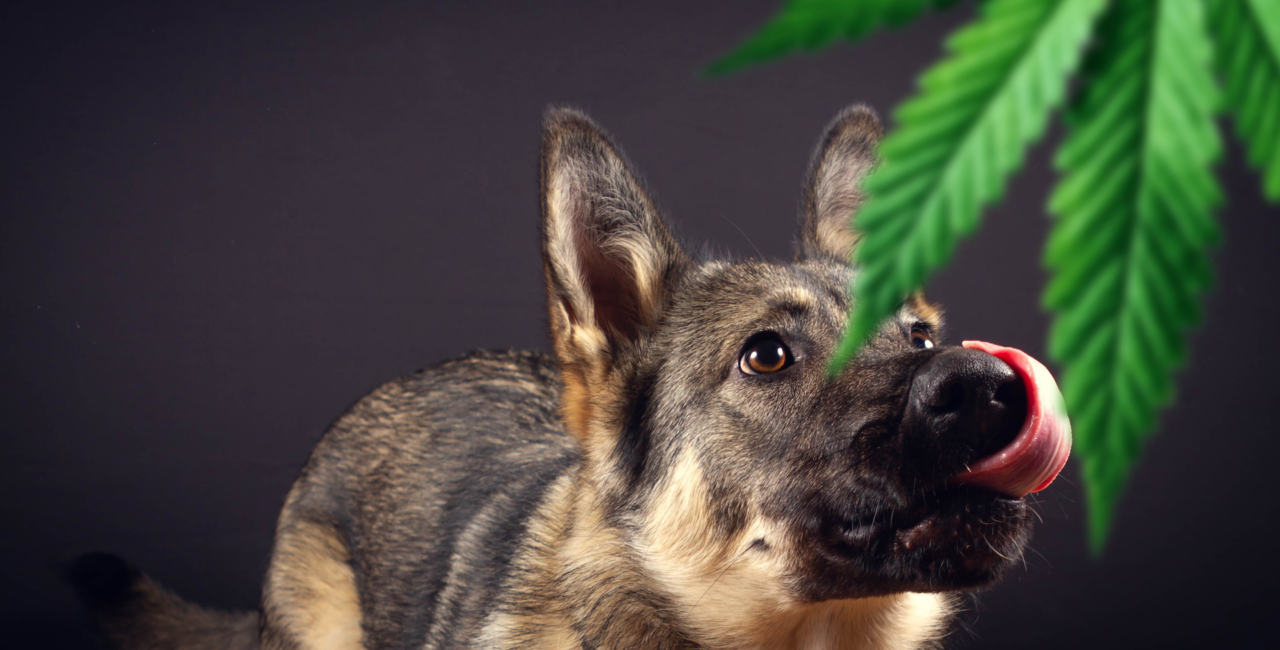
Pets are curious by nature and often explore their environment with their noses and mouths. This curiosity can sometimes lead them into trouble, especially when they encounter harmful substances.
With the increasing availability of cannabis and common household toxins, it’s crucial to know how to protect your furry friends. Here’s a comprehensive guide to keeping your pets safe from cannabis and other toxic substances.
Understanding the Risks of Cannabis
Cannabis products, including marijuana and CBD, have become more accessible as legalization spreads. While these products offer benefits for humans, they can be harmful to pets. Dogs and cats are particularly sensitive to THC, the psychoactive component in marijuana. Even small amounts can cause serious health issues.
Symptoms of cannabis poisoning in pets include lethargy, disorientation, drooling, and in severe cases, seizures. If you suspect your pet has ingested cannabis, seek veterinary help immediately. Knowing the signs can make a significant difference in ensuring your pet receives prompt and appropriate care.
Store Cannabis Products Safely
Proper storage of cannabis products is essential to prevent accidental ingestion by pets. Keep all cannabis items, including edibles, oils, and plants, out of reach. Use child-proof containers and store them in cabinets that pets cannot access. This simple step can prevent a potentially dangerous situation.
If you use cannabis products, be mindful of where you place them during and after use. Avoid leaving them on tables or counters where pets might find them. Secure storage is key to keeping your pets safe from accidental exposure.
Preventing Access to Common Household Toxins
Beyond cannabis, many everyday items pose risks to pets. Household cleaners, medications, certain foods, and plants can be toxic. Being aware of these dangers and taking steps to prevent access is vital.
Store all cleaning products in locked cabinets or high shelves. Even seemingly harmless items like detergents and disinfectants can be harmful if ingested. Always read labels and follow storage instructions to minimize risks.
How an Electric Underground Fence Can Help?
An electric underground fence can be an effective tool in keeping your pet safe from potential toxins outside the home. These fences create a boundary that prevents pets from wandering into areas where they might encounter harmful substances, such as garden chemicals or toxic plants.
Installing an electric underground fence provides peace of mind, knowing that your pet stays within safe boundaries while enjoying outdoor play. This solution combines safety with freedom, allowing your pet to explore without the risk of coming into contact with dangerous substances.
Recognize the Signs of Poisoning
Knowing the signs of poisoning is crucial for timely intervention. Symptoms can vary depending on the toxin but often include vomiting, diarrhea, lethargy, and changes in behavior.
For specific toxins like cannabis, pets may appear uncoordinated or overly sedated. Rapid breathing, excessive drooling, and dilated pupils are other common signs. If you notice any of these symptoms, contact your vet immediately for advice and potential treatment.
Create a Pet-Safe Home Environment
Creating a pet-safe home involves more than just storing items securely. Regularly check your home for potential hazards and make necessary adjustments.
Ensure that all medications, both human and pet-specific, are stored out of reach. Pets can be attracted to pill bottles that rattle or have appealing scents. Dispose of unused medications properly to prevent accidental ingestion.
Keep an eye on household plants, as many common varieties can be toxic to pets. Research which plants are safe and consider replacing toxic ones with pet-friendly alternatives. Regularly clean and secure areas where small objects or spills might occur, reducing the chance of your pet encountering something harmful.
Educate Yourself on Toxic Foods
Many foods that are safe for humans can be toxic to pets. Chocolate, grapes, onions, garlic, and xylitol (a sweetener found in many sugar-free products) are particularly dangerous. Be aware of what foods pose risks and keep them out of your pet’s reach.
During mealtimes and food preparation, be vigilant about dropping any of these items. Even small amounts can cause significant harm. Educate all family members about these dangers to ensure a consistent approach to keeping toxic foods away from pets.
Use Pet-Safe Cleaning Products
Choosing pet-safe cleaning products reduces the risk of accidental poisoning. Many conventional cleaners contain chemicals that can be harmful if ingested or if they come into contact with your pet’s skin. Look for products labeled as pet-safe or make natural cleaning solutions using ingredients like vinegar and baking soda.
When cleaning, keep pets away from the area until it is completely dry. This prevents them from walking through wet surfaces and potentially ingesting harmful chemicals. Regularly wash their bedding, toys, and food dishes with safe products to maintain a clean and toxin-free environment.
Secure Trash and Recycling Bins
Trash and recycling bins often contain items that can be harmful to pets. Foods, wrappers, and chemicals can pose risks if your pet gets into them. Use bins with secure lids and store them in cabinets or areas that pets cannot access.
If you have a dog that likes to raid the trash, consider using a pet-proof bin or placing a barrier around the bin area. Being proactive in securing your trash can prevent accidental ingestion of harmful substances.
Outdoor Safety Considerations
Outdoor areas can be full of hidden dangers for pets. Pesticides, fertilizers, and certain plants can be toxic if ingested. When using garden products, choose pet-safe options and follow the application instructions carefully.
Be mindful of any standing water, which can harbor bacteria or chemicals. If you have a yard, regularly inspect it for potential hazards and remove them promptly. Fencing your garden or designating a specific pet-safe play area can minimize risks.
Recognize and Address Seasonal Hazards
Different seasons bring different hazards for pets. During the holiday season, decorations, and certain foods can pose risks. Tinsel, ornaments, and holiday plants like poinsettias and mistletoe can be dangerous if ingested. Keep these items out of reach or use pet-safe alternatives.
In the summer, be cautious of heat and chemicals like antifreeze or pool treatments. Always provide fresh water and shade for outdoor pets and clean up spills immediately. Awareness of seasonal risks allows you to adjust your safety measures accordingly.
Training and Supervision
Training your pet to avoid certain areas or objects can be a valuable safety measure. Teach commands like “leave it” or “drop it” to help prevent them from picking up harmful items. Positive reinforcement can be effective in guiding their behavior.
Supervision is equally important, especially for young or curious pets. Keeping an eye on your pet’s activities reduces the chance of them encountering dangerous substances. If you can’t supervise, consider using gates or crates to restrict their access to safe areas.
Emergency Preparedness
Being prepared for emergencies can save your pet’s life. Keep your vet’s contact information and the number for the nearest animal poison control center readily available. Knowing what to do in case of poisoning is crucial.
Create an emergency kit that includes activated charcoal, which can help absorb toxins if recommended by a vet, and hydrogen peroxide to induce vomiting if advised. Familiarize yourself with the symptoms of common poisonings and have a plan in place for quick action.
Communicate with Household Members
Ensuring all household members are aware of potential risks and safety practices is key to a safe environment. Regularly discuss pet safety measures and update everyone on new information or changes. This communication ensures consistency in how your pet is cared for and reduces the chance of accidents.
Regular Veterinary Check-Ups
Regular vet check-ups are essential for monitoring your pet’s health and detecting any early signs of poisoning. Routine visits allow your vet to identify potential issues and provide preventive care. Discuss any concerns about toxins or your pet’s behavior with your vet to receive tailored advice.
Vaccinations and parasite control are also important aspects of preventive care. Keeping your pet’s health up-to-date reduces their vulnerability to diseases and complications from toxins.
Conclusion
Protecting your furry friend from cannabis and other toxins requires vigilance, education, and proactive measures. By storing hazardous items securely, choosing pet-safe products, and being aware of seasonal and household risks, you can create a safe environment for your pet.
Regular check-ups, training, and communication with household members further enhance their safety. With these strategies in place, you can ensure your pet enjoys a healthy and happy life, free from the dangers of toxic substances.
