

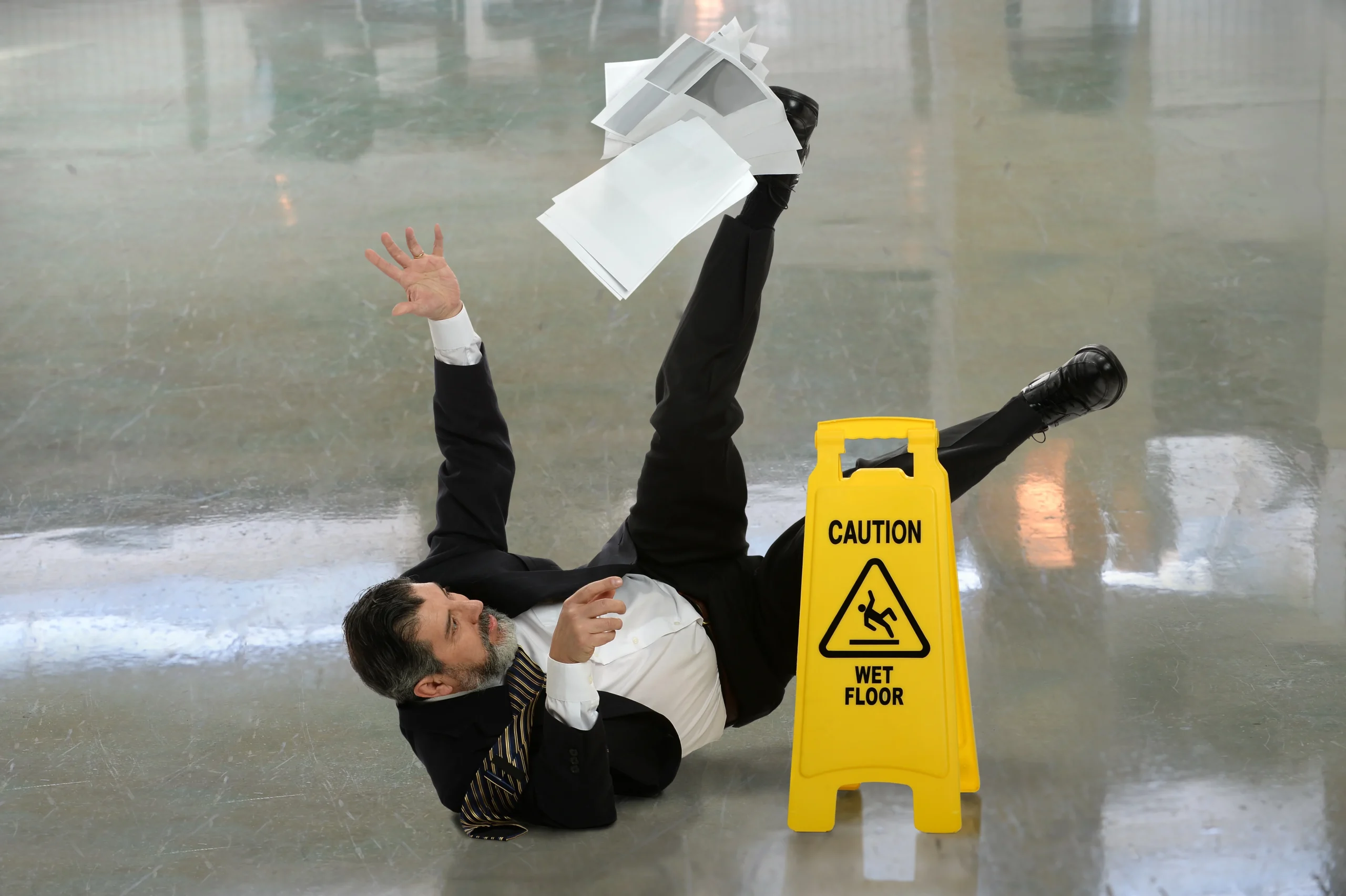
Slip and falls can be a risk practically anywhere. Falls at home rank among the leading sources of injuries, for example. Yet falls in industrial settings can be especially grave. Often, heavy equipment is in motion, and elevated platforms and other spaces can result in long falls that can result in grave injuries. Advances in safety equipment have gone a long way toward preventing injuries and saving lives. Still, not even the best fall protection net or other piece of equipment can mitigate every issue. Let’s take a closer look at how companies can reduce risks.
Contents
Training and Culture Are Crucial
You’ll find a number of safety tips below, but the fact is, without the right training and culture, falls may still prove common. Ultimately, people, and especially your employees, will determine how effective protocols, equipment, and procedures are.
The right safety gear can prevent accidents and injuries even if employees are lax in their approach to safety. Yet people may still end up hurt from time to time. By combining safety gear and protocols with a strong culture that emphasizes safety and reducing accidents, you can optimize results.
Encourage Footwear That Offers Good Grip
It’s smart to encourage employees to take their shoes seriously. Shoes with good grip and that are in good condition can dramatically reduce the risk of falls and all the problems that come with them. The right shoes will depend on the specific setting. In many industrial settings, protecting the toes is crucial, yet electrical hazards may make steel toes a risk. There are options for addressing both issues, however.
Some employees will wear their shoes literally until they fall apart. Unfortunately, even the best shoes could lose grip and their ability to provide adequate protection if they become worn out. If employees are wearing shoes no longer up to the job, it’s wise to encourage them to get a new pair. It’s wise to consider providing high-quality safety shoes like GORUCK mackall shoes for employees or offering rebates that employees can use to buy the appropriate ones.
Use Safety Netting When and Where Appropriate
Even the best equipment and training can’t prevent every fall. There are steps you can take to reduce risks when falls occur. Safety nets can catch people and materials if they fall. If your facility has stairwells, catwalks, or other elevated areas, safety nets can prove crucial.
Humans should always be the focus. Keep in mind, that if someone drops a tool, piece of equipment, or whatever else, the falling object could hit someone. Safety nets can prevent drops, and may even save tools and materials from suffering crippling damage. Safety nets can also prevent damage to machinery.
It’s also important to remember that safety nets will wear down over time. If an incident occurs and someone falls, the net may need to be replaced. Even without specific incidents, time wears all things down. The fastening systems used to secure the nets might become loose, for example, rendering the net ineffective. A bit of maintenance may solve the issue or replacement might be needed.
It’s wise to audit not just safety nets but other safety prevention features. Guardrails can become loose, steps in a stairwell may break down, and leaking pipes could create water hazards. If you spot issues early by conducting regular safety audits, you may prevent serious accidents.
Minimize Environmental Factors That Lead to Slips
Your employees might be taking safety seriously, and they could have the best shoes money can buy, but a patch of ice or water could send someone tumbling anyway. Removing ice and making sure there are no leaking pipes or other water hazards is vital.
When possible, it’s best to avoid activities that could create hazards. Rather than mopping the breakroom during operating hours, if your facility shuts down at night, you may want to have cleaners come in after employees clock out, for example. If you have to mop when other employees are using the facility, make sure hazard signs are up, and consider using dry mops or other equipment to reduce moisture.
Ultimately, safety requires a proactive, consistent, and multipronged approach, but with effort, it’s possible to save lives and reduce injuries.
