

Infectious diseases that spread through the air, such as colds, flu, and COVID-19, are a major public health concern. Airborne viruses and bacteria can spread quickly through coughs, sneezes, and even just breathing. When an infected person expels microbes into the air, they can remain suspended for hours, circulating through indoor spaces and infecting others. During an outbreak or pandemic, it is crucial to take precautions and reduce your chances of catching and spreading illnesses. This article outlines effective ways to protect yourself and others from airborne infections.
Contents
Wearing Personal Protective Equipment (PPE)
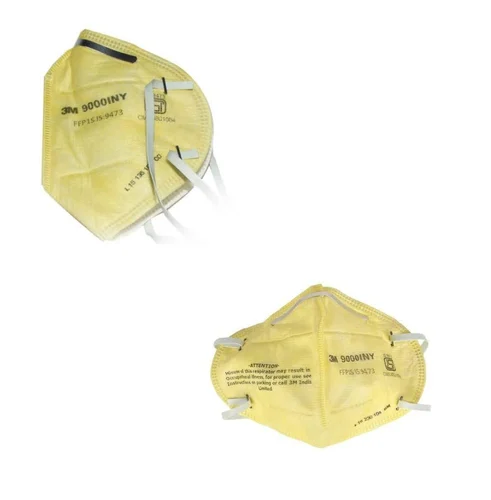
One of the most important ways to avoid airborne diseases is wearing personal protective equipment (PPE), such as face coverings. According to UK health authorities, high-quality, well-fitting face masks provide excellent protection against inhaling infectious microbes.
During high-risk situations like outbreaks, health authorities may recommend medical masks or respirators for public use. Using PPE consistently and correctly significantly reduces infection transmission.
A quick internet search for terms like n95 face masks, n95 face masks Australia can already provide a list of shops where you can purchase these PPEs
Practise Social Distancing
While mandatory social distancing rules have been lifted in the UK, keeping some physical space from others can still help reduce infection transmission. Although no longer required, maintaining 1-2 metres distance is advised in certain higher-risk situations like crowded indoor settings. This is because viruses can still travel through the air after an infected person talks, coughs or sneezes nearby.
Get Vaccinated
Vaccines prime your immune system to fight specific infections. Although not 100% effective, vaccines greatly reduce the risks of catching and transmitting illnesses. Make sure you and your family are up-to-date on recommended immunisations against contagious respiratory diseases. Annual flu vaccines protect against dominant circulating influenza strains. COVID-19 vaccination remains vitally important to reduce transmission and serious outcomes. Stay vigilant for vaccine updates as viruses mutate over time. Vaccination shields you from common airborne bugs and prevents wider spread throughout the community.
Improving Indoor Ventilation
Proper ventilation exchanges and dilutes microbes floating indoors. Open windows regularly to increase airflow. Adjust heating, ventilation and air conditioning (HVAC) settings to maximise air exchange. Use standalone air purifiers with HEPA filters to capture airborne particles. Avoid stagnant indoor spaces with recirculating air. Improving ventilation with fresh outdoor air reduces airborne contagion indoors and protects against infectious diseases.
Maintain Healthy Habits
In addition to the above measures, maintaining healthy habits also boosts your immunity and resilience against infections. Eat a balanced, nutritious diet with plenty of fruits and vegetables. Stay hydrated and avoid excessive alcohol, which can impair immune function. Don’t smoke, which damages the lungs’ defences. Exercise regularly to reduce stress and support a robust immune system. Get enough good quality sleep to allow your body to fully rest and repair. Practising healthy habits day-to-day strengthens your overall fitness and ability to fight off bugs.
Airborne infectious diseases remain an enduring public health challenge. However, by consistently following the advice in this article, individuals can greatly reduce the risks of catching and passing on dangerous respiratory illnesses. Staying vigilant and taking sensible precautions allows us to protect ourselves and our communities.
