

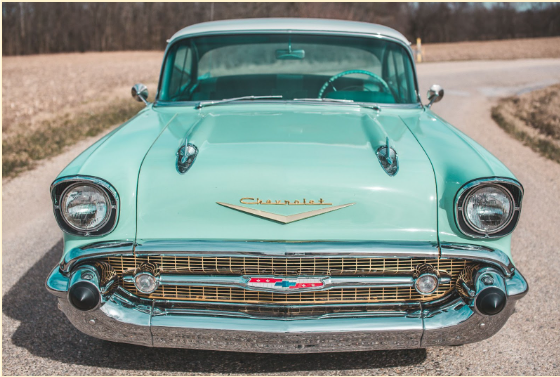
How to Perform a VIN Check for Classic and Antique Cars
Having a classic or antique car in your garage is like owning a piece of history. These beauties are more than just vehicles; they are stories on wheels, full of character and charm. But before you commit to purchasing one, it’s essential to dig into its past. A Vehicle Identification Number (VIN) check can reveal much about a car’s history, which is crucial when dealing with vintage models.
Why is a VIN Check Important?
Modern cars have 17-character VINs standardized since 1981, but classic cars play by different rules. Their VINs or chassis numbers might be shorter and vary depending on the manufacturer and year. Knowing how to decode these is key when evaluating an older car.
Performing a VIN check is like getting a background check for your car. It tells you the car’s life story—from where it was born to any bumps and bruises it picked up along the way. Additionally, you can find registered owner of vehicle, which provide comprehensive vehicle history reports and VIN checks online.
What You Can Learn from a VIN Check
- Authenticity: Make sure you’re getting the real deal and not a knock-off.
- Accident history: Find out if the car has been through any fender benders or serious crashes.
- Ownership trail: See who’s loved this car before you and how many times it changed hands.
- Theft reports: Verify that the car isn’t stolen, preventing any legal headaches down the road.
Steps to Perform a VIN Check for Classic Cars
Older cars might have VINs that are worn or hard to read. If that’s the case, a professional restorer could help in identifying and verifying the number. Once you’ve located the VIN, here’s how you can perform a check:
Step 1: Choose the Right VIN Check Service
Not all VIN check services cater to classic cars, so it’s important to find one that does. Look for services that specialize in vintage vehicles, as they are more likely to have comprehensive databases for older models. Ask for suggestions from classic car clubs or online forums for reliable VIN check services.
Step 2: Run the VIN Check
Enter the VIN into your chosen service and let it do the heavy lifting. You’ll receive a detailed report covering:
- Manufacture details: Year, make, model, and where it was built.
- Ownership records: A timeline of previous owners.
- Accident reports: Any known accidents and their details.
- Repair history: Major repairs or restorations that could impact value.
Step 3: Review the Report
Go through the VIN report carefully. Make sure the information matches up with what the seller has told you. Pay attention to any mismatches between the report and the seller’s claims. Additionally, check for liens or salvage titles.

Conclusion
Doing a VIN check on a classic or antique car is a crucial step in ensuring you’re making a wise investment. With patience and a little detective work, you can enjoy the beauty and history of a classic car with confidence.
