

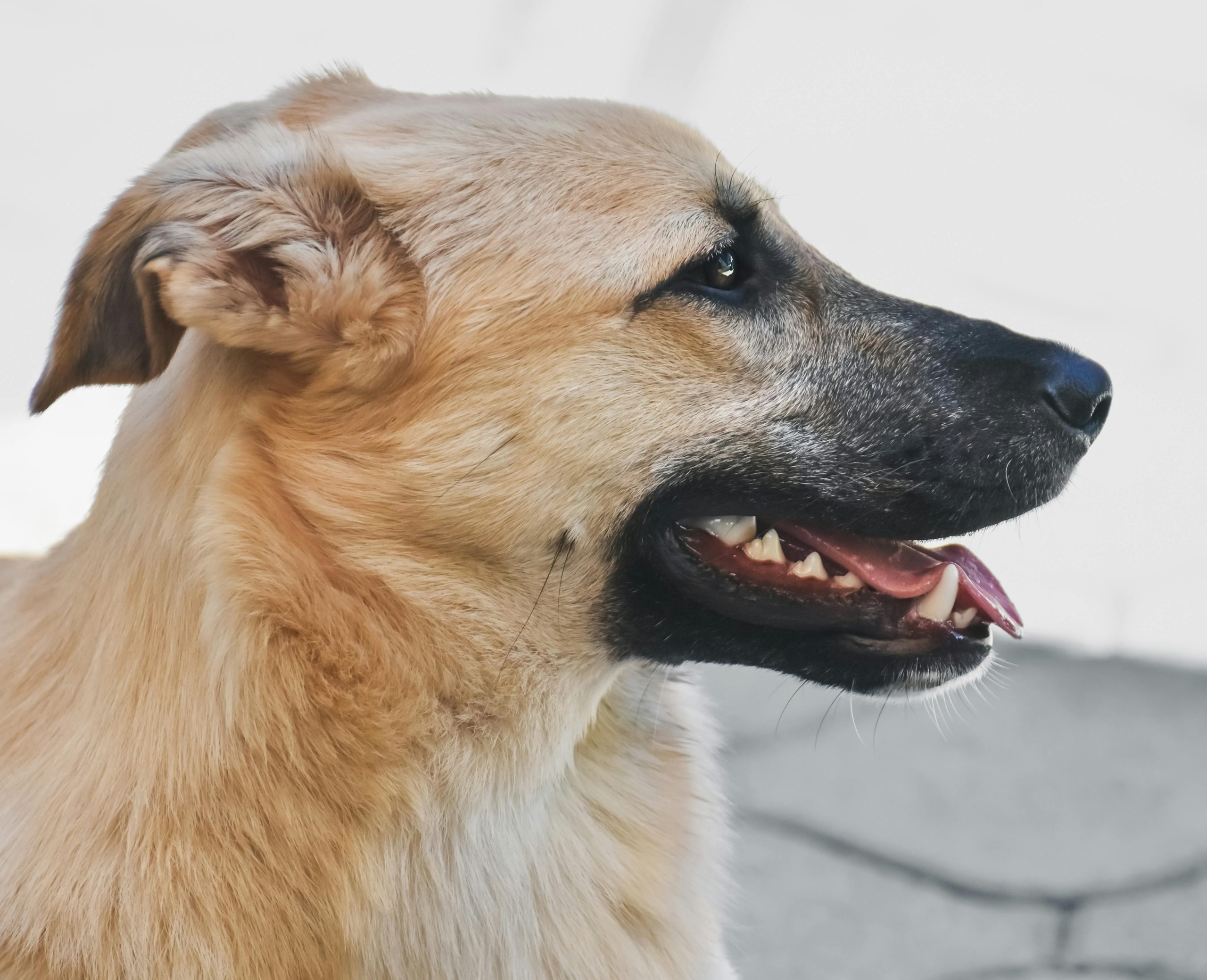
As your dog grows in age, their health needs extra care. One crucial area that often requires extra attention is dental hygiene. Maintaining healthy teeth and gums is essential for a dog’s well-being, preventing pain, discomfort, and even more severe health problems.
In this article, we will provide valuable tips and advice on how to keep your aging dog’s oral health in top condition.
Contents
- 1 Understanding Common Dental Problems in Aging Dogs
- 2 Establishing a Regular Dental Care Routine
- 3 Choosing the Right Toothbrush and Toothpaste for Your Dog
- 4 Implementing Effective Dental Cleaning Techniques
- 5 Enhancing Dental Health with Chew Toys and Dental Treats
- 6 Monitoring and Addressing Gum Health
- 7 Frequently Asked Questions
- 8 Maintaining Lifelong Dental Health for Your Aging Dog
Understanding Common Dental Problems in Aging Dogs
According to the National Institute of Health, 80-89% of dogs above 3 years have at least one dental problem. Gingivitis and periodontitis are the most common issues found in dogs over 3 years. Other issues include periodontal disease, caused by plaque and tartar accumulation, leading to inflamed gums, tooth loss, and pain.
Older dogs may also experience tooth decay, wrecked or cracked teeth, and oral outgrowths. Bad breath, difficulty swallowing, and excessive slobbering are often signs of dental problems. Regular veterinary check-ups and dental care are vital to avert these problems and ensure your aging dog’s comfort.
Establishing a Regular Dental Care Routine
Start by scrubbing your dog’s teeth daily using a dog-friendly toothbrush and toothpaste, which helps eliminate plaque and reduce tartar build-up. Incorporate dental chews and toys that encourage gum health and lessen plaque. Consistency in this routine ensures a healthier, happier life for your dog.
According to the American Veterinary Medical Association, regular vet check-ups are crucial for professional cleanings and early detection of dental problems. Your dog’s gums and teeth must be checked at least once annually by your veterinarian, even if you don’t find any problem. However, if you notice bad breath, loose or broken teeth, extra teeth, abnormal chewing, drooling, or reduced appetite, you must visit a veterinarian immediately.
Choosing the Right Toothbrush and Toothpaste for Your Dog
Choosing the ideal toothpaste and brush is key to effective dental care for your dog. Choose a toothbrush designed for dogs, with soft bristles and a tilted head to reach all parts of their mouth. Finger brushes can also be used, especially for smaller dogs or those new to brushing.
According to DogCancer.com, good dental health can extend your dog’s life by 2-5 years.
Select a toothpaste that is formulated for dogs and not for humans, as it can be harmful. Dog toothpaste is available in flavors like poultry or peanut butter, making brushing more fun for your pet.
Implementing Effective Dental Cleaning Techniques
According to Jax & Cali, brushing your dog’s teeth can be tedious when using a conventional toothbrush and toothpaste. Implementing effective dental cleaning techniques is vital for your dog’s oral health, and incorporating toothbrush wipes into their routine can be a convenient addition. Toothbrush wipes are new-age products for dogs that make it a breeze to clean your dog’s teeth every day without a fight.
Toothbrush wipes are easy to use and can help remove plaque and food particles from your dog’s teeth, especially when brushing isn’t feasible. Simply wrap the wipe around your finger and softly rub it along your dog’s teeth and gums. These wipes serve as a dental cleaner for dogs, enhancing regular brushing by adding extra protection against plaque and keeping their breath fresh.
Enhancing Dental Health with Chew Toys and Dental Treats
Enhancing your dog’s dental health can be effectively supported through chew toys and dental treats. Chew toys designed specifically for dental care help reduce plaque and tartar as your dog chews while also massaging their gums and strengthening teeth.
Dental treats formulated with ingredients that promote oral hygiene can further help clean teeth and freshen breath. Incorporating these tools into your dog’s routine makes dental care enjoyable and supports long-term oral health and overall well-being.
Jenison Animal Hospital recommends a few points to remember while choosing a chew toy for your dog. Firstly, chew toys are an addition to dental health; hence they can’t be replaced with regular dental care routines. While providing chew toys to your dog, make sure that the toy is strong enough to handle constant chew and bites.
To check this, press your fingernails on the surface of the toy. If you can see an indent, it means it is safe. It should be made of rubber or silicone and without holes or ridges. The toy must be of appropriate size, not too big or small.
Monitoring and Addressing Gum Health
Monitoring and addressing your dog’s gum health is essential for averring severe dental issues. Regularly check your dog’s gums for changes in color, texture, or signs of discomfort, such as redness, inflammation, or bad breath.
If you notice any of these indications, it’s vital to consult your vet promptly, as they could indicate periodontal disease or infection. By staying vigilant and addressing gum health issues early, you can help maintain your dog’s overall dental well-being and prevent complications.
Frequently Asked Questions
How can I recognize gum disease in my aging dog?
You can recognize gum disease in your aging dog by looking for signs like red, swollen, bleeding gums, smelly breath, and difficulty swallowing. If your dog shows discomfort when their mouth is touched or if you notice receding gums, it’s important to consult your vet. These are common indicators of gum disease.
Are there any specific dental treats recommended for older dogs?
Yes, there are dental treats specifically designed for older dogs that are softer and easier to chew, helping to clean their teeth. Look for treats formulated to decrease plaque and tartar while gentle on sensitive teeth and gums.
How can I effectively brush my dog’s teeth if they are resistant?
If your dog is resistant to brushing, start slowly by letting them get used to the taste of dog-friendly toothpaste and feel the toothbrush. As you begin brushing, gently lift your dog’s lips and concentrate on a small number of teeth at a time. Reward their cooperation with praise and rewards. You can also try using a finger brush or dental wipes as a gentler alternative to a traditional toothbrush.
Maintaining Lifelong Dental Health for Your Aging Dog
Prioritizing your dog’s dental care is vital for their overall health, especially as they age. By establishing a regular dental care routine, you can avert serious issues and keep your dog comfortable and healthy. With regular care, your aging dog can enjoy strong teeth, healthy gums, and a higher quality of life well into their senior years.
