

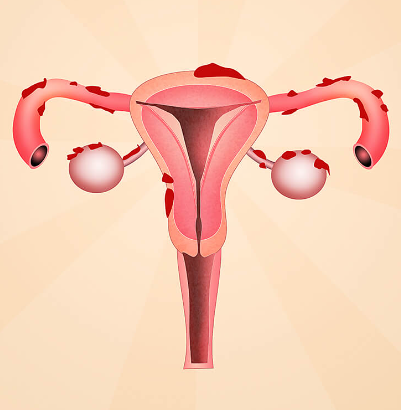
Endometriosis is a chronic disease that occurs when a tissue called endometrium begins growing outside the uterus. Women with this reproductive health issue may experience pain, irregular bleeding, and infertility. The root cause of IVF failure is endometriosis and other infertility issues. Here are some ways endometriosis affects IVF success:
Contents
Inflammation
When there is endometrial-like tissue outside the uterus, it causes inflammation in the pelvic cavity. It may cause some parts of the female reproductive system, such as the fallopian tubes, uterus, and ovaries, to become sore and swollen. This condition damages the ovaries and affects the quality and quantity of eggs that are required for in-vitro fertilization. Inflammation raises the concentration of certain substances in the uterus, which makes the endometrium less favorable for the implantation of embryos.
The embryos may not implant if the uterine lining has developed scars due to endometriosis. Pain and swelling in eggs can prevent them from being fertilized or from forming viable embryos. Irritation makes it harder for the ovary to release an egg required for the in-vitro fertilization procedure. Using laparoscopy, fertility doctors may confirm if patients have endometriosis and suggest suitable treatment.
Hormonal Imbalances
Women with endometriosis may have imbalanced follicle-stimulating hormones which help ovaries produce multiple eggs. Some patients fail to respond well to medications that specialists prescribe to stimulate egg production. This reproductive health problem can cause estrogen levels to increase and interfere with how eggs mature.
When women have hormonal imbalances, it reduces the number of eggs that are able to be retrieved, lowering the chances of having healthy embryos to transfer. This impacts the formation of embryos, minimizing the chances of a successful pregnancy. To avoid the issue of IVF failure, fertility doctors may monitor hormone levels and change treatment to get quality eggs.
Ovarian Reserve and Function
Endometriosis affects the ovaries through the formation of cystic structures known as endometriomas, which result in inflammation of the eggs. Endometriomas hinder access to the follicles when professionals are trying to retrieve eggs. These cysts compromise the growth of ovarian follicles, which are responsible for holding eggs, resulting in fewer mature eggs.
Women with a lower ovarian reserve might need to go through several IVF cycles to gather enough eggs and embryos. A proper evaluation of the ovarian reserve may be done through ultrasound to count the numerous small follicles found in the ovaries. Cysts are often diagnosed by ultrasound and MRI, and fertility specialists may remove them through surgery. Doctors may use high doses of fertility medications to boost the production of eggs in ovaries and collect a better number.
Immune System Issues
Endometriosis elevates the immune response, enhancing immune cell production in the pelvic area. This issue creates a hostile environment in the uterus, making it more challenging for embryos to implant and grow. Endometriosis may foster certain reactions where the body attacks its tissues, including reproductive organs. Such reactions may damage the uterus, making it less likely for embryos to implant and develop properly.
Miscarriages in IVF pregnancies can be increased due to conditions of the immune system. Even after implantation, if the body detects the embryo as a foreign object, it can lead to a miscarriage. Doctors may prescribe drugs to calm the immune system, improving conditions for conception.
Get Tested to Manage IVF Failure
Endometriosis affects IVF success by reducing the ovarian reserve, causing pain, changing the immune system, and altering hormones. A fertility specialist may conduct different tests on women to determine if they have this health issue. They can use imaging tests to evaluate how severe the endometriosis is at that time. Book an appointment with a reputable fertility clinic to get tested and manage IVF failure.
