

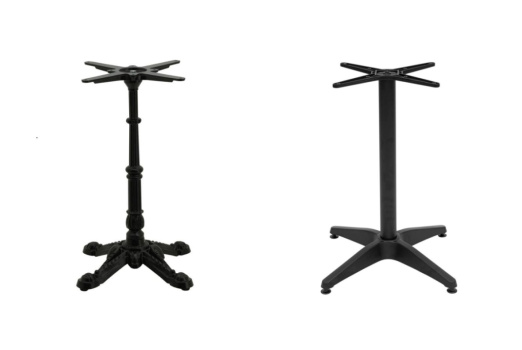
Choosing the right table base is crucial for any café owner looking to improve both stability and durability. Table bases from cafesolutions.com.au, for instance, offer excellent support and resilience, ensuring your tables can handle the daily wear and tear of a bustling environment. A sturdy base not only supports the tabletop but also withstands the demands of a busy café. This article explores how different materials and designs, like heavy-duty cast iron or sleek metal frames, can significantly influence the longevity and functionality of café tables, ensuring a reliable dining experience for customers.
Contents
Understanding Table Bases
Table bases significantly affect the stability and durability of café tables. A sturdy table base ensures a solid foundation, minimising the risk of wobbling or tipping. Factors influencing a table base’s stability include its design, materials, and weight distribution.
Types of Table Bases
The most common type of table base is the 4-pronged (cross or “X”) base, used in over 85% of restaurants. This design is favoured for its stability, ease of cleaning, and compatibility with various décors.
Pedestal bases offer an alternative, often suitable for heavier or larger table tops. These bases provide central support, allowing for more legroom around the table.
Trestle tables, constructed entirely of wood, rely on their design for support and require no hardware to connect components. This simplicity can improve the aesthetic appeal in certain café settings.
Materials Used in Table Bases
Table bases are typically made from cast iron, aluminium, or wood.
Cast iron is renowned for its heavy-duty stability, making it ideal for high-traffic areas. Its weight provides a solid anchor for table tops, ensuring they remain secure.
Aluminium is a lightweight alternative, resistant to rust and corrosion. This property makes aluminium bases suitable for outdoor settings.
Wooden bases offer a traditional option, often chosen for their aesthetics. While they may lack the same weight as metal bases, they provide a unique charm when crafted correctly. Each material contributes to the overall performance and longevity of café tables.
Importance of Stability in Cafe Tables
Stability in cafe tables is essential for a positive dining experience. Unstable tables lead to accidents and discomfort, potentially harming customer satisfaction and brand reputation.
Factors Affecting Stability
- Table Base Design: A 3-legged table base often provides greater stability on uneven surfaces than a 4-legged base. However, a 3-legged design can become unstable if excessive weight is placed on one corner.
- Weight Distribution: Distributing weight evenly across the table enhances stability. Heavier tables with well-distributed weight offer improved balance.
- Table Base Material: The choice of material influences stability significantly. Cast iron bases provide heavy-duty support, while aluminium bases are lightweight and resistant to rust, making them versatile for various environments. Wooden bases add aesthetic appeal but must be designed to support the tabletop effectively.
- Table Height: The overall height of the table impacts stability. Taller tables may require a broader base to prevent toppling, especially in high-traffic areas.
- Enhanced Customer Experience: Stable tables contribute directly to customer comfort, allowing for enjoyable dining without the interference of spills or wobbling.
- Reduced Accidents: A well-designed, stable table decreases the likelihood of accidents, ensuring that customers can eat and drink with confidence.
- Longer Lifespan: Tables that remain stable under regular use suffer less wear and tear, extending their functional life. Durable materials and designs support sustained usage without compromising integrity.
- Improved Brand Image: Consistent customer experiences promote positive brand perception. Stable tables display professionalism and consideration for customer safety, enhancing the café’s reputation.
Impact of Durability on Cafe Tables
Durability plays a crucial role in the effectiveness of cafe tables, directly affecting long-term costs and maintenance considerations.
Long-Term Costs of Durable Bases
Durable table bases reduce long-term costs significantly. Investing in high-quality materials like cast iron or stainless steel ensures longevity, reducing the frequency of replacements and repairs. For example, a solid cast iron table base priced at £79 typically lasts longer than cheaper alternatives. This longevity leads to cost savings, as cafes avoid the associated expenses of continual maintenance or replacement. Tables with durable bases maintain stability, lessening the risk of accidents caused by wobbling, which can further impact overall expenses due to potential liability claims or loss of customers.
Maintenance Considerations
Maintenance of durable cafe tables requires minimal effort, contributing to overall efficiency in operations. Durable materials such as metal and wood resist wear and tear better than lower-quality options. For instance, laminate table tops, priced from £49, enable easy cleaning and upkeep. Regular cleaning extends the lifespan of these surfaces without extensive maintenance efforts. A focus on durability also helps prevent damage from spills or environmental factors, ensuring that tables remain attractive and functional longer, ultimately enhancing customer satisfaction and promoting repeat business.
How to Choose the Right Table Base
Choosing the right table base impacts the stability and durability of café tables significantly. Attention to specific factors ensures the selection aligns with the café’s needs.
Assessing Your Cafe’s Needs
Assessing the café’s requirements involves considering customer traffic, table arrangements, and overall aesthetic. Evaluating these factors determines the type of base that best fits. For high-traffic areas, a more stable base, like a cast iron base, provides durability and stability. Alternatively, cafés with outdoor seating may benefit from lightweight, rust-resistant aluminium bases, ensuring tables remain secure and functional under varying weather conditions. Understanding the table top size also further informs base selection as larger tops require an appropriately sized base for optimal support.
Recommendations for Different Settings
Selecting the ideal table base depends on the intended setting. For indoor cafés with moderate traffic, aluminium bases work well due to their lightweight properties, making rearrangement easy. Heavy-duty cast iron bases serve best in busy environments, offering excellent stability. For outdoor cafés, aluminium bases stand out for their rust resistance and portability. Freestanding or modular settings might require bases that allow flexibility in arrangement while maintaining stability. Ultimately, it’s crucial to align the base choice with the café’s specific requirements to improve durability and ensure customer satisfaction.
Conclusion
Choosing the right table base is essential for any café looking to improve stability and durability. A well-selected base not only supports the table effectively but also contributes to a safe and enjoyable dining experience. By understanding the unique needs of the café environment and selecting materials and designs that align with customer traffic and table arrangements, café owners can significantly reduce maintenance costs. Ultimately, investing in quality table bases is a smart decision that pays off in customer satisfaction and brand reputation.
