

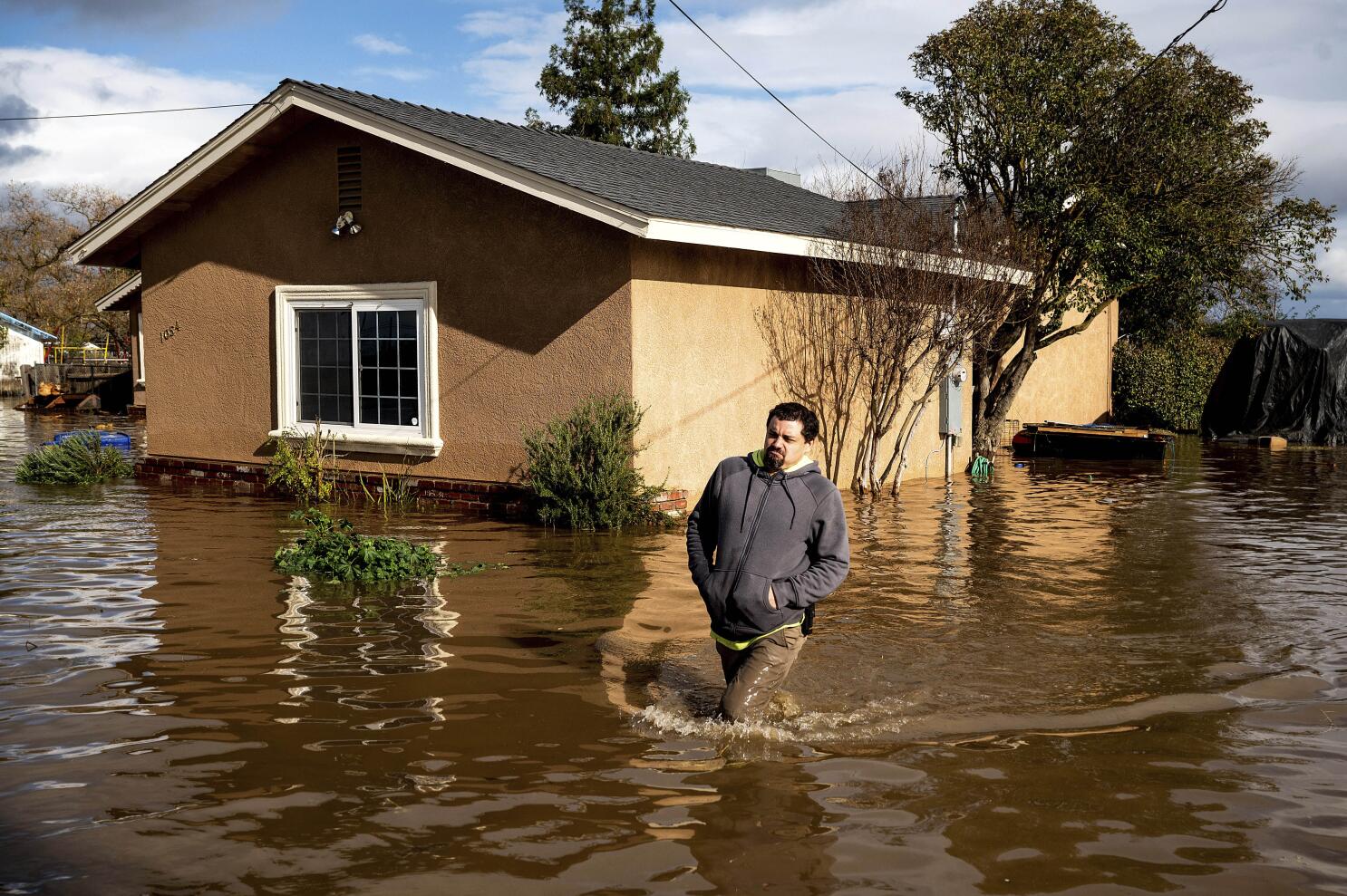
Living in California offers many perks, from beautiful landscapes to a vibrant culture. However, it also comes with its share of natural disasters like earthquakes, wildfires, and floods. It’s essential to be prepared. Having california home insurance is a crucial step, but there are many other ways to protect your home and family. Let’s explore how homeowners in California can prepare for natural disasters.
Contents
1. Create an Emergency Plan
An emergency plan is vital for every household. It should include evacuation routes, meeting points, and a communication strategy. Make sure every family member knows the plan well. Practicing it regularly can help everyone stay calm during an actual disaster. Knowing where to go and what to do can save precious time and prevent panic.
Your plan should also list emergency contacts and nearby shelters. Keep this information accessible. Having a solid plan can reduce panic and confusion during emergencies.
2. Assemble an Emergency Kit
An emergency kit should contain essential supplies for at least three days. Include items like water, non-perishable food, medications, flashlights, batteries, and a first aid kit. Don’t forget important documents, cash, and personal hygiene items. It’s also helpful to include items like blankets, a multi-tool, and a whistle to signal for help if needed.
Store your kit in a place that’s easy to reach. Regularly check and update the contents. Being prepared with the right supplies can make a significant difference during a disaster. Ensure everyone in the household knows where the kit is stored and how to use its contents effectively.
3. Secure Your Home Against Earthquakes
Earthquakes are common in California. To protect your home, secure heavy furniture and appliances. Use brackets and straps to prevent them from toppling over. Make sure your water heater is firmly anchored. This not only prevents damage but also reduces the risk of fire.
Inspect your home’s foundation and reinforce it if necessary. Installing flexible gas lines can reduce the risk of gas leaks. Taking these steps can minimize damage and keep your family safe. Regularly review and update your earthquake preparedness measures to ensure ongoing safety.
4. Prepare for Wildfires
Wildfires can spread quickly and cause severe damage. Create a defensible space around your home by clearing dry vegetation and debris. Use fire-resistant materials for your roof and exterior walls. This can significantly reduce the risk of fire reaching your home.
Have an evacuation plan specifically for wildfires. Know multiple routes out of your neighborhood. Staying informed about fire conditions in your area is also crucial. Regularly check local fire advisories and be prepared to evacuate at a moment’s notice.
5. Flood-Proof Your Home
Flooding can occur due to heavy rains or dam failures. Elevate electrical appliances and outlets above potential flood levels. Install check valves in plumbing to prevent backflow. These measures can help minimize water damage to your home’s interior.
Ensure that your property has proper drainage. Regularly clean gutters and downspouts. These measures can reduce the risk of water damage during floods. Consider landscaping adjustments that direct water away from your home’s foundation.
6. Stay Informed and Connected
Staying informed about potential disasters is essential. Sign up for local alerts and warnings. Follow reliable sources for updates on weather and emergency conditions. This will ensure you receive timely information during a crisis.
Have multiple ways to receive information, such as a battery-powered radio. Keep your phone charged and have backup power sources. Staying connected can help you make timely decisions during a disaster. Additionally, develop a communication plan with family and friends to keep everyone informed and safe.
7. Strengthen Your Home’s Structure
Improving your home’s structural integrity can enhance safety. Reinforce walls, roofs, and foundations to withstand natural disasters. Consider installing storm shutters and strengthening garage doors. These upgrades can make your home more resilient to extreme weather.
Consult with professionals to assess your home’s vulnerabilities. They can recommend upgrades and retrofits. Investing in a stronger structure can provide long-term protection. It also increases the overall value and safety of your home.
8. Review and Update Your Insurance Policies
Regularly review your insurance policies to ensure adequate coverage. Understand what is covered under your california home insurance and make necessary adjustments. Consider additional policies for specific risks like earthquakes or floods. This ensures you are not left uncovered in case of a disaster. Keep an inventory of your belongings and document their value.
Preparing for natural disasters is essential for homeowners in California. By creating an emergency plan, assembling an emergency kit, and securing your home against various threats, you can enhance safety and reduce potential damage. Stay informed, strengthen your home’s structure, and review your insurance policies regularly.
