

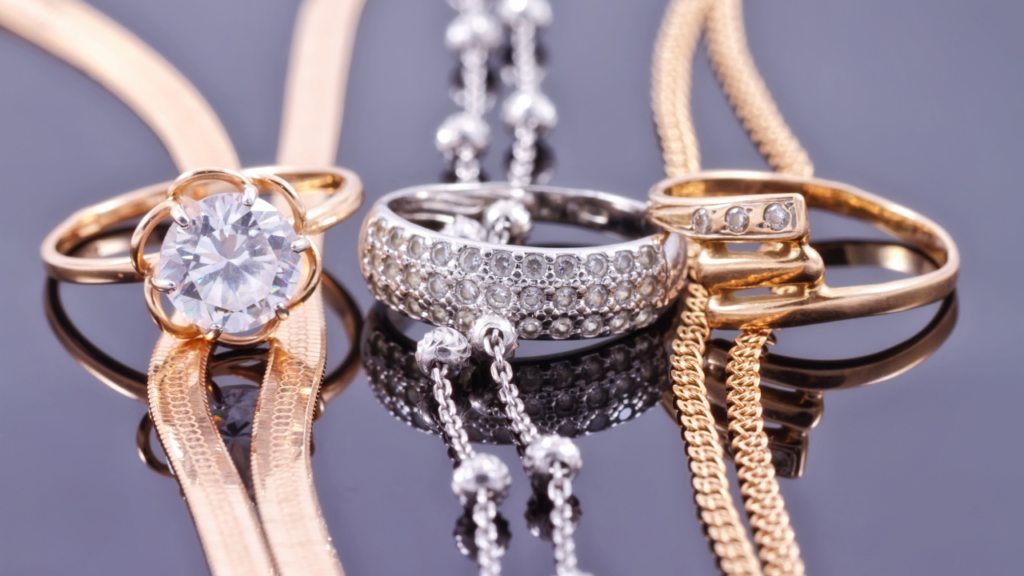
Custom jewellery represents the pinnacle of personal expression and craftsmanship in the realm of adornment. Each piece is a testament to the individuality and creativity of its wearer, as well as the meticulous skill of the jeweller. The journey from concept to creation in custom jewellery design is a fascinating blend of artistry, technical proficiency, and personal storytelling. This article delves into the intricate steps involved in transforming a unique vision into a tangible masterpiece.
- The Initial Consultation: Defining the Vision
The custom jewellery manufacturer process begins with an initial consultation between the client and the jeweller. This stage is crucial for understanding the client’s vision, preferences, and requirements. Clients often come with specific ideas, inspirations, or even sketches. The jeweller’s role is to listen attentively, ask insightful questions, and offer expert advice to refine the concept.
Key Aspects of the Initial Consultation:
- Inspiration and Style: Clients share their sources of inspiration, which can range from personal memories to cultural symbols or modern trends.
- Materials and Budget: Discussing the types of precious metals (gold, platinum, silver) and gemstones (diamonds, sapphires, emeralds) the client desires, as well as budget constraints.
- Purpose and Occasion: Understanding the purpose of the piece, whether it is for an engagement, anniversary, or a personal milestone, helps shape the design direction.
- Concept Development: Sketching and 3D Modeling
Once the jeweller has a clear understanding of the client’s vision, the concept development phase begins. This involves translating the initial ideas into tangible designs through sketches and 3D modeling.
Techniques Used in Concept Development:
- Hand-drawn Sketches: Traditional hand-drawn sketches allow for quick iteration and visualization of the design.
- Computer-Aided Design (CAD): CAD software is used to create detailed 3D models of the jewellery piece. This technology enables precise visualization from all angles and allows for modifications before proceeding to the next stage.
- Selection of Materials: Choosing the Right Components
Choosing the right materials is a critical step in custom jewellery design. The jeweller sources high-quality metals and gemstones based on the client’s preferences and the design requirements.
Considerations in Material Selection:
- Metal Selection: Different metals offer unique characteristics. For example, platinum is highly durable and hypoallergenic, while gold comes in various colors and karats.
- Gemstone Selection: The choice of gemstones involves considering factors like color, clarity, cut, and carat weight. The jeweller often presents several options for the client to choose from.
- Wax Model Creation: A Tangible Preview
Before the final piece is crafted, a wax model is created. This step provides a tangible preview of the design, allowing both the client and the jeweller to assess the piece’s proportions and details.
Steps in Wax Model Creation:
- Wax Carving: The design is carved out of wax, either by hand or using a 3D printer. This model represents the exact dimensions and details of the final piece.
- Client Approval: The client reviews the wax model and can request modifications if necessary. This ensures that the final piece will meet their expectations.
- Casting and Assembly: Bringing the Design to Life
With the wax model approved, the actual crafting process begins. This involves casting the metal, setting the gemstones, and assembling the piece. ( If you are looking for a gemstone jewelry manufacturer, look no more. Essentials Jewelry is one of the leading gemstone jewelry manufacturers, known for their exceptional craftsmanship and commitment to creating exquisite, personalized pieces. )
Key Processes in Casting and Assembly:
- Lost Wax Casting: The wax model is encased in a plaster mold and melted away, leaving a cavity. Molten metal is poured into this cavity to form the jewellery piece.
- Stone Setting: Skilled artisans set the gemstones into the metal. This requires precision to ensure that the stones are secure and displayed to their best advantage.
- Assembly and Finishing: The different components of the piece are assembled, and the jeweller meticulously polishes and finishes the piece to enhance its beauty and durability.
- Final Review and Delivery: The Moment of Truth
The final step is the review and delivery of the custom piece. The jeweller conducts a thorough inspection to ensure the highest quality standards are met.
Final Steps:
- Quality Check: The piece is inspected for any flaws or imperfections. Ensuring the settings are secure and the finish is perfect is crucial.
- Presentation: The finished piece is presented to the client, often in a custom jewellery box. The moment of unveiling is a memorable experience for both the client and the jeweller.
Conclusion
The journey from concept to creation in custom jewellery design is a collaborative and meticulous process. It combines the client’s unique vision with the jeweller’s craftsmanship and technical expertise. Each custom piece is not just an accessory but a personal statement and a work of art, embodying the wearer’s story and style. The intricate steps of consultation, design, material selection, modeling, casting, and finishing culminate in a one-of-a-kind creation that will be cherished for generations.
