

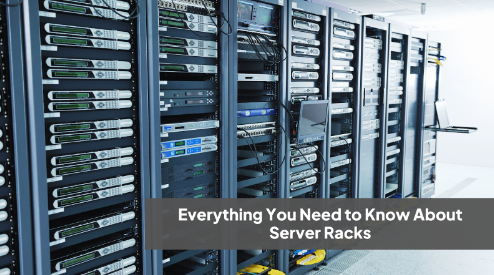
Server racks are designed to bring organization, security, and management to hardware driving data centers and network operations. They offer an orderly, fully integrated way of housing servers and networking equipment, along with other critical infrastructure components supporting their optimal performance, accessibility, and protection.
This detailed guide will discuss the main aspects of server racks, which include their types, components, benefits, and best practices on how to choose and maintain them properly.
Contents
Overview of Server Racks
The 2U rack server is generally referred to as a server cabinet or rack enclosure, which is a standard-sized frame or enclosure used for mounting various electronic equipment modules.
The primary purpose of the 2U rack server is to organize the management of servers and associated hardware within a controlled environment, ensuring efficient cooling, cable management, and accessibility to equipment.
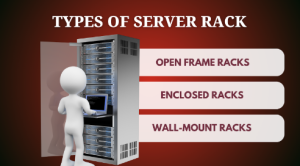
Types of Server Racks
Open Frame Racks
As the name suggests, open frame racks are open on each side to give easy access to equipment and cabling. They are perfect for use in situations where security is not an issue but still within a secure data center or room whereby access could be controlled. Open frame racks provide excellent ventilation for equipment and are very cost-effective.
Enclosed Racks
The enclosed racks, also known as server cabinets, have doors and panels to protect the equipment from mechanical impacts, dust, and unauthorized access. They are fitting for installation in places of the highest level of security and protection.
Often, such enclosed racks are already fitted with cooling solutions like fans or air conditioning to ensure the best possible operating temperatures.
Wall-Mount Racks
Wall-mount racks are, as the name suggests, mounted on walls, hence perfect for smaller spaces or environments where there is little floor space available. They find typical deployment in offices, retail stores, and network closets of smaller size. The racks could either be open frame or closed, depending on the requirements.
Some Core Components of Server Racking
Server racks feature different components that integrate to hold and manage the hardware. The main parts include:
Rack Units (U)
The height of server racks and the equipment they contain are measured in rack units. One rack unit is 1.75 inches high. Standard server racks come with a dimension of 42U, 45U, or 48U; though custom size production can still be done.
Rails and Shelves
Equipment can be mounted onto rails and shelves within the rack. The rails are adjustable to the size of the equipment, while the shelves provide additional support for hardware not rack-mountable or of heavier weight.
Cable Management
One of the key elements in keeping a server rack organized and efficient is proper cable management. Cable management accessories, such as cable trays, hooks, and ties, route and secure cables to reduce clutter and improve airflow.
Cooling Solutions
Temperature can considerably interfere with and enhance the reliability of servers and networking equipment; hence, the temperature should always be at optimum levels. Several cooling solutions are installed in racks to prevent overheating situations and include fans, air conditioning units, and liquid cooling systems.
Power Distribution Units (PDUs)
PDUs are the best solution to provide power to equipment stored in the server rack. They come in several configurations, which range from basic power strips to the more sophisticated intelligent PDUs supporting remote monitoring and management.
Benefits of Server Racks
Making an investment in server racks offers a long list of benefits that will promote performance, organization, and security in IT infrastructure. Among these are:
Improved Organization
Server racks provide a controlled environment to mount hardware and deal with it without clutter, thus enabling access and maintenance of equipment with ease. This consequently allows for organized and efficient troubleshooting, upgrading, and maintenance.
Better Security
A closed server rack can physically secure your equipment from being accessed, manipulated, or damaged by natural threats like fire or water. Lockable doors and panels safeguard the sensitive hardware from unwanted intrusions.
Enhanced Cooling
Proper cooling is required for both the longevity and performance of a server or networking equipment. Server racks with integrated cooling solutions keep temperatures within the optimum operating range and so avoid overheating or equipment failure.
Scalability
Server racks are designed for growth and changes in IT infrastructure. With standard dimensions and modular components, adding or removing any equipment whichever is required easily accommodates scalability and expansion in the future.
Good Cable Management
One of the essential advantages of the server rack is the ability to have good cable management, so all cables will be run neatly and secured. This organization improves airflow, reduces the chances of cable damage, and makes it much easier to troubleshoot and perform maintenance.
Good Practices in Selecting and Caring for Server Racks
Determine Your Needs
Before choosing a server rack, consider the requirements of the installation: start with the calculation of the number and type of devices to be supported, then consider the available space and security before making a choice. Consider factors such as future growth, cooling requirements, and cable management in reaching your decision.
Selecting the Right Rack Type
Choose the proper type of rack for your needs. Open frame racks are recommended in cases where controlled access and high ventilation are assured. The enclosed type provides more security and better protection. Wall-mount racks were designed for use in areas with limited space or particular installations only.
Provide Sufficient Cooling
Proper cooling is essential to ensure the reliable operation of your equipment. Ensure the server rack you pick has effective cooling solutions through fans, A/C units, or liquid cooling. Temperatures should be monitored to guarantee optimal conditions.
Use Proper Cable Management
Buy cable management accessories that keep the server rack organized and efficient. Run cables in cable trays and use hooks and cable ties to keep them in order, thereby reducing the risk of clutter and improving circulation.
Regular Maintenance and Monitoring
Regular maintenance and monitoring to be performed on the server racks in order for them to maintain their performance and reliability. Look out for signs of wear and monitor temperature, noting cable management that may cause problems.
Conclusion
Server racks have been designed for the efficient management and protection of IT infrastructure. Thus, knowledge of the different types of server racks, their components, and advantages will greatly assist organizations in making decisions while upgrading data centers and network operations.
Following best practices for selection, cooling, cable management, and maintenance will help ensure that server racks continue to support a reliable and scalable IT environment.
FAQs
- What is a server rack?
A server rack is a standard frame or enclosure designed to mount various modules of electronic equipment; in this case, servers and networking hardware.
- What are the Different Types of Server Racks?
The three major types of server racks are open frame racks, enclosed racks, and wall-mount racks.
- Why is cooling important for server racks?
Cooling, in general, is always an essential element of server and networking equipment performance and even survival.
