

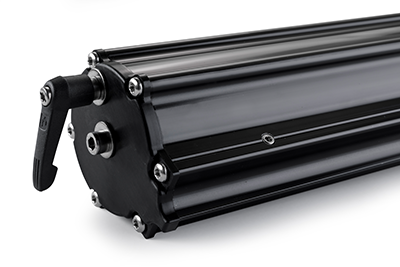
Energy-efficient technology adoption has become a top concern in the car manufacturing industry, where cost-effectiveness, efficiency, and sustainability are essential factors. Energy-efficient air knife systems stand out among these inventions as a noteworthy development, providing a number of advantages that improve environmental stewardship and operational effectiveness.
In sonic air systems inc, they provide a cost-saving and energy-efficient solution for your automotive needs based on the designs you need. Thus, it ensures product quality and production speed. Manufacturers now have a strong solution to these problems thanks to the creation and integration of energy-efficient air knife systems, since in the past they had a traditional and high operational cost as there was no machine that could customize the air knife system. In this article, we will explain the benefits of an energy-efficient air knife system in automotive manufacturing.
Cost Savings
Automobile manufacturers can save a lot of money by reducing the amount of electricity they use by using energy-efficient air conditioning systems. For example, energy costs may be lowered by up to 40% in a factory that converts to high-efficiency blowers and improves nozzle designs. These savings can add up to millions of dollars a year over time, offering a substantial return on investment and freeing up funds for other vital parts of the company.
Enhanced Production Efficiency
Energy-efficient air knife systems are made to provide steady, fast air streams that more efficiently dry, clean, or cool surfaces. These devices, for instance, can shorten drying times in auto paint shops, eliminating bottlenecks and boosting the output of painted car bodies. This enhancement speeds up production while maintaining high standards of quality since it precisely controls airflow, lowering the possibility of flaws like streaking or uneven drying.
Improved Environmental Impact
Reducing the carbon footprint of production operations through the adoption of energy-efficient air knife systems is in line with the automobile industry’s efforts to promote sustainability. For example, by reducing energy use and waste, a facility that incorporates these technologies can reduce its greenhouse gas emissions. In addition to helping the business comply with regulations, this improves its environmental credentials, which is crucial in a market where stakeholders and customers place a greater value on sustainable practices.
Extended Equipment Lifespan
Energy-efficient air knife systems are frequently built using long-lasting materials and cutting-edge designs that lessen wear and tear on important parts. For instance, a system that maximizes airflow to lessen the pressure on motors and blowers can greatly increase the lifespan of these components, reducing maintenance expenses and downtime. Because of its durability, investing in energy-saving technology pays dividends over an extended period of time because the equipment doesn’t require frequent repairs or replacements and remains dependable and efficient.
Improved Workplace Environment
Because energy-efficient air conditioning systems produce less noise and no longer produce as much heat as less efficient ones, they can make workplaces safer and more comfortable. For instance, a business that replaces its noisy blowers with more quiet, effective models can improve worker satisfaction and reduce noise pollution, which can cause fatigue and hearing loss. Furthermore, a cooler manufacturing floor might result from decreased heat output due to lower energy usage, which enhances worker comfort and productivity.
Conclusion
In summary, the implementation of energy-efficient air knife systems in the car industry is a calculated risk that will pay off in many ways. These technologies improve overall production efficiency and result in significant cost savings by drastically lowering energy usage, which enables firms to retain high product quality while processing orders quickly. Furthermore, the benefits to the environment, such as lower carbon emissions and adherence to regulations, are consistent with the industry’s expanding sustainability focus.
