


Numerous establishments recognize the need to safeguard sensitive data. If you are unaware of the significance of protecting critical data against data breaches, you may belong to a minority group or be new in the business world. It is hard to prevent unauthorized access to crucial data. Additionally, the cybersecurity team often questions whether they are securing their data appropriately.
However, most organizations store sensitive data without tracking it, which makes them vulnerable to attacks and increases the risk of expensive data breaches.
To counter this problem, data risk management is the perfect solution. It is the practice of protecting valuable business data. This post will have good discussion about the best practices for data risk management and how important it is for businesses.
Contents
What is Data Risk Management?
A data risk assessment is how a company examines sensitive information under its control. It is the process of locating, evaluating, and reducing threats to data integrity and availability threats. It includes techniques to safeguard data from risks such as loss, corruption, or breaches, which ensures your business has safe and dependable data processing across all platforms, server locations, and cloud environments.
Importance of Data Risk Management Framework
One of the most essential resources for every business is its data. It acts like a weapon, but if your data is not protected, your business could lose potential sales and damage your customers’ trust. Therefore, data risk management is the ideal solution to this issue because it:
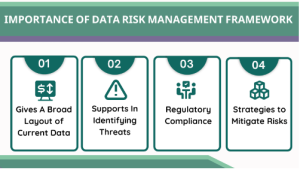
1) Gives A Broad Layout of Current Data
A broad view of organizational data allows precise compliance reporting and gap identification. This overview also allows for effective prioritization and risk management, ensuring that data management plans align with legal requirements and business goals.
2) Supports In Identifying Threats
Any firm faces various possible vulnerabilities, such as data breaches, theft of intellectual property, and unintentional disclosure of sensitive information. Risks are carefully identified, their potential impact is evaluated, and their intensity is ranked in order of importance by a robust data risk management plan.
3) Regulatory Compliance
Adhering to industry-specific data processing regulations is essential to prevent significant penalties and legal problems. Data risk management ensures that processing, sharing, and storing data comply with GDPR, CCPA, and HIPAA regulations. In addition to shielding your company from fines, compliance increases consumer confidence.
4) Strategies to Mitigate Risks
Implementing effective data risk management strategies is crucial because it requires continuous data flow monitoring. This can be done effectively when a company hires data scientists to establish solid data-sharing policies and implements advanced data loss prevention (DLP) techniques. In addition, it is essential to regularly conduct risk assessments and update security protocols to adapt to evolving threats.
Best Practices of Data Risk Management
Data risk assessment systems have already been looked into to protect sensitive data from security breaches. However, organizations must consider some procedures to safeguard their confidential information and keep it updated. The following are a few best practices that the organization can quickly implement:
1) Recognizing the Uncertainties
Once you are aware of your sensitive data’s scope and size, it becomes crucial to preserve it. Establish standards for storage rights and accessibilities and identify potential risks to your data. This will enable you to take measurable precautions to safeguard your data with data risk assessment should you notice indications of fraud.
2) Encrypt And Update the Data Often
Encryption is required to protect sensitive information while it’s being transported or held. To provide complete privacy, use robust encryption techniques like AES-256 for data at rest and TLS for data in transit. For better implementation of encryption techniques
However, you must also ensure your system is secure by patching and updating it frequently to eliminate any possible security flaws.
3) Provide Ongoing Monitoring
Establish routine audits of your security procedures and data risk management techniques, as well as constantly monitoring your systems to look for unusual or suspicious activity.
Conclusion
Safeguarding sensitive data is no longer optional but a fundamental necessity for any organization, underscoring the critical role of effective data risk management. Businesses can enormously lower their risk of data breaches by proactively detecting threats, encrypting data, and offering continuous monitoring.
By utilizing advanced machine learning and analytics helps to anticipate and reduce potential risks, several business approaches for integrating Data Science Consulting can further improve these efforts for the better implementation of data risk management systems. Taking measures to protect the data is essential, but following it in practice will not only secure the data but will keep it up to date.Embracing these practices ensures compliance and protection, builds trust, and fortifies your organization’s data security posture.
