

Car accidents are an unfortunate reality in a busy city like Toronto. With dense traffic, unpredictable weather, and a mix of experienced and inexperienced drivers on the road, collisions happen more often than most people realize. If you’ve ever been involved in an accident—or want to be prepared—it’s important to understand why these accidents happen and who can be held legally responsible.
Let’s break it down in simple, practical terms.
Contents
Why Car Accidents Are So Common in Toronto
Toronto is one of the busiest cities in Canada, with thousands of vehicles on the road at any given time. Major highways like the 401 and crowded downtown streets naturally increase the risk of collisions. When you combine harsh winters, ongoing construction zones, and the growing issue of distracted driving, it’s easy to see why accidents happen so frequently—something the experienced lawyers from Affinity Law deal with on a regular basis.
Most Common Causes of Car Accidents in Toronto
1. Distracted Driving
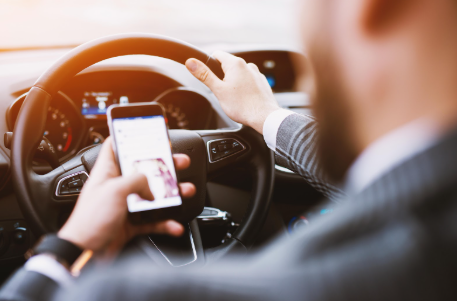
One of the leading causes of car accidents in Toronto is distracted driving. This includes:
- Texting or using a phone
- Adjusting navigation systems
- Eating or drinking while driving
Even a few seconds of distraction can result in serious consequences. Ontario has strict laws against distracted driving, and if a driver is caught using their phone and causes an accident, they are usually considered at fault.
2. Speeding
Speeding reduces reaction time and increases the severity of collisions. Many drivers exceed speed limits on highways or rush through city streets, especially during peak hours.
In most cases, if a driver was speeding at the time of the accident, they are likely to be held liable—either fully or partially.
3. Aggressive or Reckless Driving
Tailgating, unsafe lane changes, and road rage incidents are all forms of aggressive driving. These behaviors are common in high-traffic areas like downtown Toronto.
Drivers who act recklessly are typically found responsible because they fail to follow safe driving practices.
4. Weather Conditions (Snow, Ice, Rain)
Toronto winters can be brutal. Snow, black ice, and freezing rain make roads slippery and dangerous.
However, bad weather does not remove responsibility. Drivers are expected to:
- Adjust their speed
- Maintain safe distance
- Use proper winter tires
If a driver fails to adapt to weather conditions and causes an accident, they can still be held liable.
5. Running Red Lights or Stop Signs
Intersections are one of the most common locations for serious accidents. Running a red light or failing to stop at a sign often leads to T-bone collisions.
In these cases, liability is usually clear—the driver who violated traffic signals is considered at fault.
6. Impaired Driving
Driving under the influence of alcohol or drugs is a major cause of accidents across Ontario.
If a driver is found impaired, they are almost always held fully responsible for the accident, and the legal consequences can be severe.
7. Poor Road Conditions or Construction Zones
Potholes, unclear signage, or ongoing construction can also contribute to accidents. Toronto has frequent roadwork, which can confuse drivers or create sudden hazards.
In some cases, liability may extend beyond drivers to:
- Municipal authorities
- Construction companies
However, proving this requires strong evidence.
Who Is Liable in a Toronto Car Accident?
Ontario follows a no-fault insurance system, which means you typically deal with your own insurance company first—regardless of who caused the accident.
But here’s the important part:
Fault still matters when it comes to lawsuits, insurance premiums, and additional compensation.
1. The At-Fault Driver
In most cases, the driver who acted negligently is held liable. Examples include:
- Speeding
- Distracted driving
- Ignoring traffic laws
Insurance companies use Ontario’s fault determination rules to decide responsibility.
Sometimes, more than one driver is responsible. For example:
- One driver was speeding
- Another failed to yield
In such cases, liability is shared (e.g., 50/50 or 70/30), and compensation may be adjusted accordingly.
3. Vehicle Owners
In Ontario, the owner of the vehicle can also be held responsible—even if they were not driving—especially if they allowed someone else to use their car.
4. Employers or Companies
If the driver was working at the time of the accident (e.g., delivery driver, truck driver), the employer may also be liable.
5. Government or Third Parties
If poor road maintenance or defective infrastructure contributed to the accident, a government body or contractor could be partially responsible. These cases are more complex and require legal support.
Final Thoughts
Car accidents in Toronto happen for many reasons, but most of them come down to human error—distraction, speeding, or poor judgment.
Understanding the common causes can help you stay safer on the road. More importantly, knowing how liability works can protect your rights if you’re ever involved in an accident.
If you’ve been injured or are unsure about your situation, speaking with a legal professional can help you understand your options and ensure you receive the compensation you deserve.
