

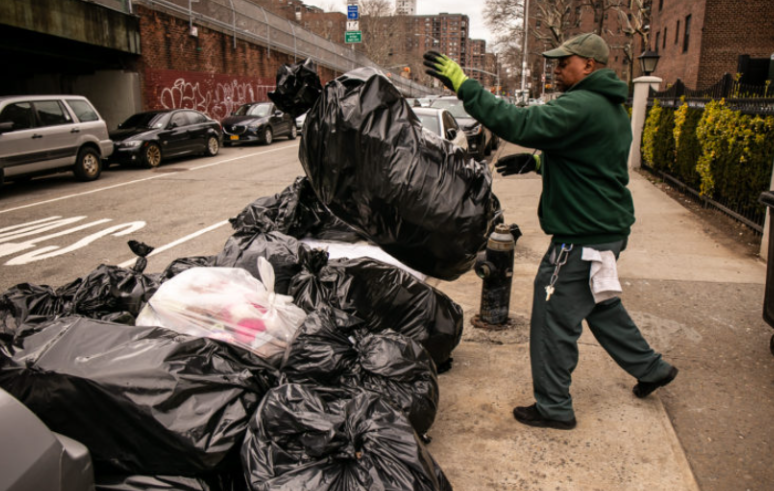
Street cleaning and trash collection are vital services in New York City, impacting the environment significantly. Effective management of these services helps maintain a clean, safe, and healthy urban space. NYC Cleaning, a renowned service provider, has been leading these efforts, ensuring the city stays spotless and sustainable.
Elevate your property’s cleanliness standards. Visit https://www.nyccleaning.co/ for reliable services.
Contents
- 1 The Impact of Clean Streets on Improving Air Quality in Urban Areas
- 2 The Benefits of Efficient Trash Collection in Reducing Landfill Waste
- 3 The Impact of Trash Collection on Community Health and Well-Being
- 4 Environmental Sustainability and Urban Infrastructure
- 5 Challenges and Future Directions
- 6 Conclusion: A Cleaner, Greener Future
The Impact of Clean Streets on Improving Air Quality in Urban Areas
Street cleaning plays a crucial role in improving air quality. By removing debris and pollutants, these services help reduce airborne particles, leading to healthier air for residents. NYC Cleaning’s meticulous approach ensures that urban areas remain free from harmful contaminants.
The Mechanism of Street Cleaning
Street sweepers and cleaning crews work tirelessly to remove dirt, dust, and litter. This process not only enhances the city’s aesthetics but also prevents pollutants from becoming airborne. The result is a noticeable improvement in air quality, contributing to a healthier environment.
Comparison of Air Quality Before and After Cleaning
A study comparing air quality before and after street cleaning showed significant reductions in particulate matter. This highlights the effectiveness of regular cleaning schedules in promoting cleaner air. NYC Cleaning’s routine operations ensure these benefits are consistently realized.
The Benefits of Efficient Trash Collection in Reducing Landfill Waste
Efficient trash collection is essential in minimizing landfill waste. By properly managing waste disposal, NYC Cleaning helps reduce the burden on landfills, promoting sustainability.
Strategies for Efficient Trash Collection
NYC Cleaning employs various strategies to optimize trash collection. These include regular schedules, strategic placement of waste bins, and efficient routing of collection vehicles. Such measures ensure timely and effective waste management.
Table: Comparison of Traditional vs. Modern Trash Collection Methods
| Aspect | Traditional Methods | Modern Methods |
| Collection Frequency | Irregular | Regular and scheduled |
| Waste Segregation | Minimal | Extensive |
| Vehicle Efficiency | Low | High |
| Environmental Impact | High | Low |
Impact on Landfill Waste
Modern trash collection methods significantly reduce the amount of waste directed to landfills. By encouraging recycling and composting, NYC Cleaning ensures that only minimal, non-recyclable waste reaches the landfills, thereby supporting environmental sustainability.
The Impact of Trash Collection on Community Health and Well-Being
Efficient trash collection positively impacts community health and well-being. Proper waste management prevents the spread of diseases and maintains a hygienic living environment.
Community Health Benefits
Regular trash collection prevents the accumulation of waste, which can attract pests and cause diseases. NYC Cleaning’s reliable service ensures that communities remain clean and healthy, improving the overall quality of life.
Well-Being and Aesthetics
A clean environment contributes to the well-being of residents. The aesthetic appeal of clean streets enhances the living experience in urban areas. NYC Cleaning’s commitment to maintaining clean surroundings plays a crucial role in fostering a sense of community pride and well-being.
Environmental Sustainability and Urban Infrastructure
Maintaining clean streets and efficient waste management systems is not just about immediate benefits. It also contributes to long-term environmental sustainability. By integrating modern technologies and eco-friendly practices, NYC Cleaning is setting a benchmark for urban cleanliness and waste management.
Adoption of Green Technologies
NYC Cleaning has incorporated green technologies in its operations. For example, they use electric-powered street sweepers and waste collection vehicles, which reduce carbon emissions and operational noise. This transition to greener technology demonstrates a commitment to environmental responsibility and urban sustainability.
Waste Segregation and Recycling Initiatives
Proper segregation and recycling are critical components of waste management. NYC Cleaning has implemented extensive waste segregation practices, encouraging residents and businesses to sort their waste into recyclable, compostable, and non-recyclable categories. This initiative not only reduces the amount of waste sent to landfills but also promotes a circular economy by enabling the recycling of materials.
Table: Waste Segregation Categories
| Category | Description | Examples |
| Recyclable | Materials that can be processed and reused | Paper, plastic, glass, metals |
| Compostable | Organic waste that can be composted | Food scraps, yard waste |
| Non-recyclable | Waste that cannot be recycled or composted | Certain plastics, sanitary waste |
Community Involvement and Education
Engaging the community in cleanliness and sustainability efforts is crucial for long-term success. NYC Cleaning regularly organizes educational programs and workshops to inform residents about the importance of proper waste disposal and recycling. By fostering a culture of environmental awareness, they ensure that everyone plays a part in keeping the city clean.
Challenges and Future Directions
While NYC Cleaning has made significant strides in street cleaning and waste management, challenges remain. Urban density, diverse waste types, and evolving environmental regulations require continuous adaptation and innovation.
Overcoming Operational Challenges
One of the main challenges is managing waste in densely populated areas. NYC Cleaning addresses this by optimizing collection routes, increasing the frequency of pickups in high-density areas, and employing advanced waste tracking systems to monitor and manage waste more efficiently.
Future Innovations in Waste Management
Looking ahead, NYC Cleaning plans to explore further innovations, such as automated waste sorting facilities, smart bins equipped with sensors to signal when they need to be emptied, and expanding the use of biodegradable materials. These advancements will help enhance the efficiency and sustainability of waste management in New York City.
Research and Development
Continuous research and development are essential to staying ahead of waste management challenges. NYC Cleaning collaborates with environmental scientists and urban planners to develop and implement cutting-edge solutions. This proactive approach ensures that they remain leaders in urban cleanliness and sustainability.
Conclusion: A Cleaner, Greener Future
The environmental impact of street cleaning and trash collection in New York City cannot be overstated. Through dedicated efforts and innovative practices, NYC Cleaning is not only keeping the city clean but also paving the way for a more sustainable future. Their commitment to environmental responsibility, community involvement, and continuous improvement sets a powerful example for urban centers worldwide. By prioritizing cleanliness and sustainability, NYC Cleaning is helping to create a healthier, greener, and more vibrant New York City for generations to come.
