

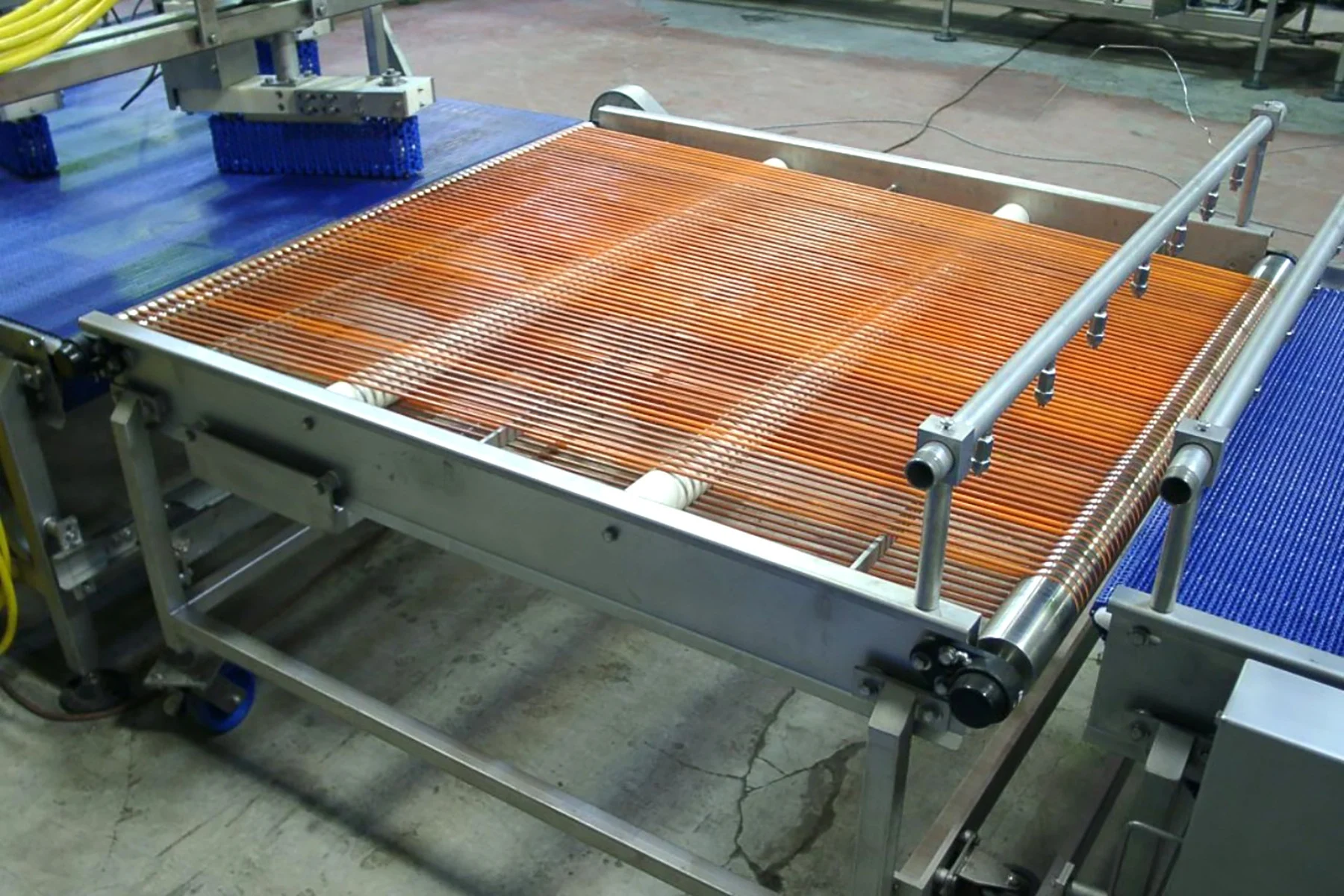
The selection of an appropriate spreader conveyor can have a significant impact on your processing line’s productivity, quality of output, and efficiency. Understanding the different options and how they fit with your operational requirements is essential to choosing the appropriate spreader conveyor for your particular needs. This thorough information will assist you in making a well-informed choice.
Contents
Knowledge of Spreader Conveyors
The purpose of the spreader conveyor is to disperse goods uniformly over a more significant portion of the conveyor belt. This function guarantees that items are appropriately spaced for following processing stages, which is critical in many industries, including food processing, manufacturing, and packing.
Types of Spreader Conveyors
- Belt Spreader Conveyors
These are the most common types of spreader conveyors. They use a belt to transport and spread products. They are versatile and suitable for a wide range of products.
- Roller Spreader Conveyors
Roller spreader conveyors use a series of rollers to spread products. They are ideal for handling heavier items and are often used in manufacturing and packaging industries.
- Vibratory Spreader Conveyors
These conveyors use vibration to spread products evenly. They are handy for small, delicate items that require gentle handling.
- Pneumatic Spreader Conveyors
Pneumatic spreader conveyors use air jets to spread products. They are suitable for lightweight items and are commonly used in the food processing industry.
Key Factors to Consider While Selecting a Spreader Conveyor for Your Processing Needs
- Product Type and Characteristics
Various items are better suited for different types of spreader conveyors. For example, fragile foods like pastries might need a soft, non-contact spreader to avoid breaking them, yet sturdy foods like packaged goods can withstand more aggressive techniques.
Size and Shape: Consider the products’ measurements and shapes. While certain spreader conveyors can handle products of various shapes and sizes, some are better suited for consistent products.
Weight: Verify that the conveyor can support your product’s weight without sacrificing its effectiveness or speed.
- Conveyor Speed and Throughput
Determine the processing line’s necessary throughput and speed. The spreader conveyor must meet or exceed certain specifications to prevent bottlenecks.
Speed Control: To handle various processing stages and product types, look for conveyors with speed settings that can be adjusted.
Check the conveyor’s throughput capacity to ensure it can process the number of products you need in a certain amount of time.
- Hygiene and Cleanability
Food processing businesses place a high priority on hygiene. Select spreader conveyors composed of corrosion-resistant and easily cleaned materials.
Material: Stainless steel is a popular option because it is easy to clean and has a long lifespan.
Design: To avoid contamination, choose designs with few nooks and simple access for cleaning.
- Flexibility and Adjustability
Selecting a spreader conveyor with flexibility is crucial since your processing requirements could change over time.
Adjustable Width: To support a range of product sizes, specific spreader conveyors feature an adjustable width.
Modular Design: As your processing demands change, a modular design may make it simpler to replace or alter your conveyor.
In summary
When selecting the ideal spreader conveyor for your processing requirements, consider several factors, such as product attributes, conveyor speed, hygienic practices, flexibility, integration, and cost. Understanding the various spreader conveyor types and their unique benefits will help you make an informed choice that will increase the productivity and efficiency of your processing line. The success of your company can ultimately be attributed to the substantial gains in operational effectiveness and product quality that can be achieved by investing in the appropriate spreader conveyor. To find the ideal solution for your processing needs, contact Wirebelt to evaluate your demands, speak with experts, and consider your possibilities.
