

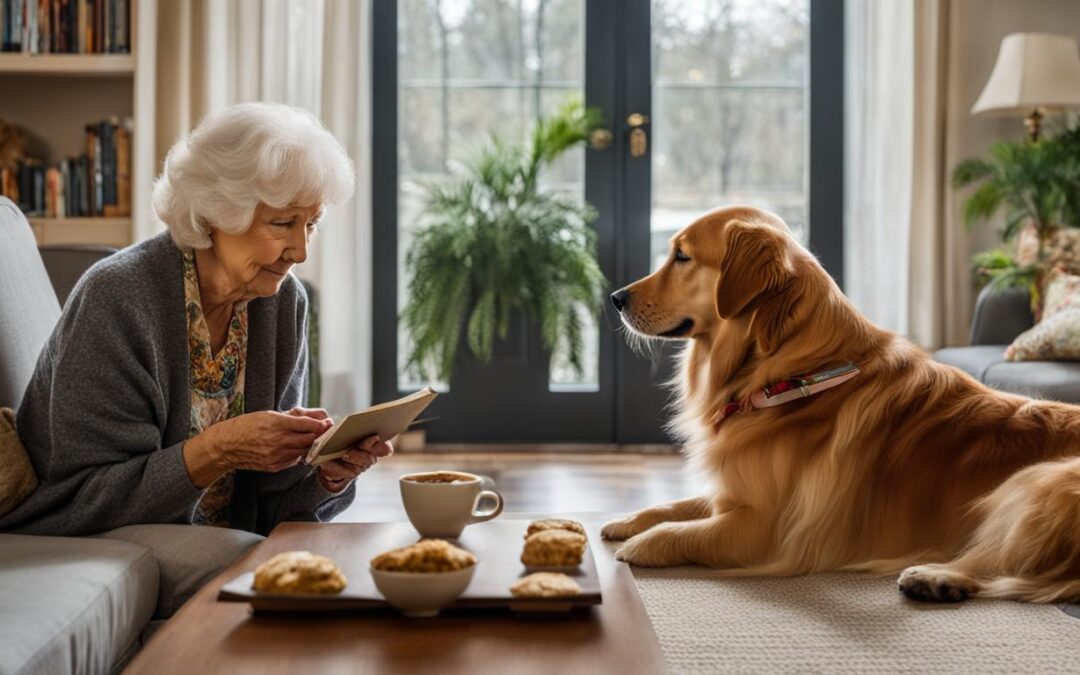
Your dog has been your loyal companion through thick and thin, sharing countless memories and moments over the years. As they enter their senior years, adjusting their care routine is crucial to ensure they stay happy and healthy. Caring for a senior dog requires more attention and adaptation to meet their changing needs. If you’re also considering adding a new furry friend to your family, remember that there are Corgi pups available now! Let’s explore key areas to focus on to make your furry friend’s golden years as comfortable and enjoyable as possible.
Contents
Understanding Aging in Dogs
Just like humans, dogs experience physical and behavioral changes as they age. Common signs of aging in dogs include graying fur, decreased energy levels, joint stiffness, and changes in appetite. Recognizing these signs early is important to adjust their care routine appropriately.
Regular Veterinary Check-Ups
One of the most important aspects of caring for a senior dog is ensuring they receive regular veterinary check-ups. These visits can help detect and manage age-related health issues such as arthritis, dental disease, and organ function decline. Your vet can also recommend appropriate vaccinations and preventive measures to keep your dog healthy.
Nutrition and Diet
Aging dogs often have different nutritional needs than their younger counterparts. High-quality senior dog food with lower calories and higher fiber content can help manage weight and promote digestive health. Consider incorporating supplements such as glucosamine and chondroitin for a healthy coat to support joint health and omega-3 fatty acids.
Hydration
Senior dogs are more prone to dehydration, so ensure they always have access to fresh water. Monitor their water intake, as changes could indicate underlying health issues. If you’re considering cheering up your senior dog with a new companion, remember that Corgi pups available now.
Exercise and Mobility
Maintaining an active lifestyle is essential for your senior dog’s physical and mental well-being. However, their exercise routine must adjust to accommodate their reduced stamina and potential joint pain.
Low-Impact Activities
Opt for low-impact activities such as short walks, gentle play sessions, and swimming, which are easy on the joints. Avoid strenuous activities that could cause injury or exacerbate existing conditions.
Mobility Aids
Invest in mobility aids like ramps, orthopedic beds, and harnesses to assist your dog in moving around comfortably. These aids can significantly improve your dog’s quality of life by reducing joint strain.
Mental Stimulation
Mental stimulation is just as important as physical exercise for senior dogs. Cognitive decline is common in aging dogs, but engaging in activities can help keep their minds sharp.
Interactive Toys and Puzzles
Provide your dog with interactive toys and puzzles that challenge their problem-solving skills. These toys can keep them entertained and mentally stimulated.
Training and Socialization
Continue training sessions tailored to your senior dogs’ abilities. Moreover, you must encourage social interactions with other dogs and people, including those adorable corgi puppies for sale. Keeping your senior dog socially active can prevent feelings of isolation and depression. Engaging with younger dogs can also bring joy and vitality to their routine.
Comfort and Safety
Creating a comfortable and safe environment for your senior dog is paramount. Their senses may decline, making them more vulnerable to accidents.
Accessible Living Spaces
Ensure their living spaces are easily accessible. Place their bed, food, and water bowls in easily accessible areas. Use ramps or relocate their essentials to a single floor to minimize the need to climb stairs.
Temperature Regulation
Senior dogs are more sensitive to temperature changes. Provide cozy blankets and beds during colder months and ensure a cool, shaded area to rest in during the summer.
Health Monitoring
Monitor your senior dog’s health and behavior regularly for any changes. Keep a close eye on their weight, appetite, bathroom habits, and overall demeanor. Early detection of health issues can lead to better management and treatment.
Dental Care
Dental health is often overlooked but crucial for your dog’s well-being. Brush their teeth regularly and consider dental chews or professional cleanings to prevent oral diseases.
Medication Management
If your dog is on medication, ensure you follow the prescribed schedule diligently. Keep a medication log to track dosages and any potential side effects.
Emotional Support
Your senior dog may require more emotional support as it ages. Due to cognitive decline or sensory loss, it might experience anxiety or confusion.
Consistent Routine
Maintaining a consistent daily routine provides a sense of stability and security. Familiarity can help reduce anxiety and stress in senior dogs.
Quality Time
Spend quality time with your dog, offering affection and companionship. Simple activities like cuddling, gentle grooming, and talking to them can strengthen your bond and provide comfort.
Conclusion
Caring for a senior dog involves thoughtful adjustments to their routine to ensure they enjoy their golden years. By focusing on their health, comfort, and emotional well-being, you can provide the love and care they deserve. Remember, your dog has been there for you through many stages of life—now it’s your turn to be there for them.
