

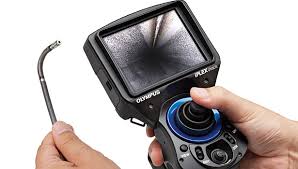
Borescopes have emerged as indispensable tools, offering a glimpse into spaces that are otherwise inaccessible to the human eye. From intricate machinery to complex pipelines, these devices provide visual access, allowing professionals to diagnose issues without the need for costly dismantling or downtime.
At its core, a borescope is a slender, elongated optical device equipped with a camera at its tip, often accompanied by lighting mechanisms. This setup enables the transmission of real-time images and video footage from confined spaces to an external display or device. Originally developed for applications in aviation and aerospace, where precision and reliability are paramount, borescopes have since found their way into various sectors including automotive, manufacturing, HVAC, and even veterinary medicine.
Applications Across Industries
The versatility of borescopes lies in their ability to navigate through narrow passages and tight angles, offering visual inspection capabilities where direct human vision fails. In the automotive industry, mechanics use borescopes to inspect engine cylinders and internal components, detecting anomalies such as corrosion or wear without disassembling the entire engine block. Similarly, in aerospace, where safety and performance are critical, borescopes facilitate non-destructive testing (NDT) of aircraft engines, ensuring compliance with stringent maintenance standards.
In manufacturing settings, borescopes play a pivotal role in quality control, allowing inspectors to examine weld seams, castings, and internal structures of machinery with precision. The oil and gas industry employs borescopes for pipeline inspections, assessing the integrity of pipes, and detecting potential leaks or blockages. Even in the medical field, borescopes find utility in minimally invasive procedures, offering surgeons enhanced visibility during diagnostic and surgical interventions.
Technological Advancements
Advancements in imaging technology have propelled borescopes from basic optical instruments to sophisticated digital devices capable of capturing high-definition images and videos. Modern borescopes feature flexible or rigid shafts, interchangeable camera heads with adjustable focus, and integrated LED lighting systems that enhance visibility in dark or poorly illuminated environments. Wireless connectivity options enable seamless integration with smartphones and tablets, facilitating remote inspections and real-time collaboration among teams dispersed across locations.
Choosing the Right Borescope
When selecting a borescope for your specific application, several factors merit consideration. The diameter and length of the insertion probe dictate the accessibility of the device in confined spaces. For tasks requiring detailed visual inspection, opting for a borescope with high-resolution imaging capabilities ensures clarity and accuracy in diagnostics. Additionally, factors such as durability, battery life, and compatibility with accessories like probes and extension cables should influence your purchasing decision.
For professionals seeking a reliable borescope for sale, it’s crucial to source from reputable suppliers who offer a range of models tailored to different industrial needs. Whether you’re in search of a compact, handheld unit for on-the-go inspections or a more robust system equipped with advanced features for intensive industrial applications, investing in quality ensures long-term reliability and performance.
Conclusion
As technology continues to evolve, borescopes remain at the forefront of innovation, facilitating safer, more efficient inspection practices across diverse sectors. From routine maintenance checks to critical diagnostics in high-stakes environments, these versatile tools empower professionals to uncover hidden flaws and maintain operational integrity without compromising productivity. By knowing what borescopes can do and what to think about when using them, professionals can make choices that improve safety, boost efficiency, and push the boundaries of what is possible in their fields.
In conclusion, the evolution of borescopes continues to expand their role beyond traditional inspection methods, offering unparalleled insights into inaccessible spaces and driving advancements in industrial efficiency and safety.
