

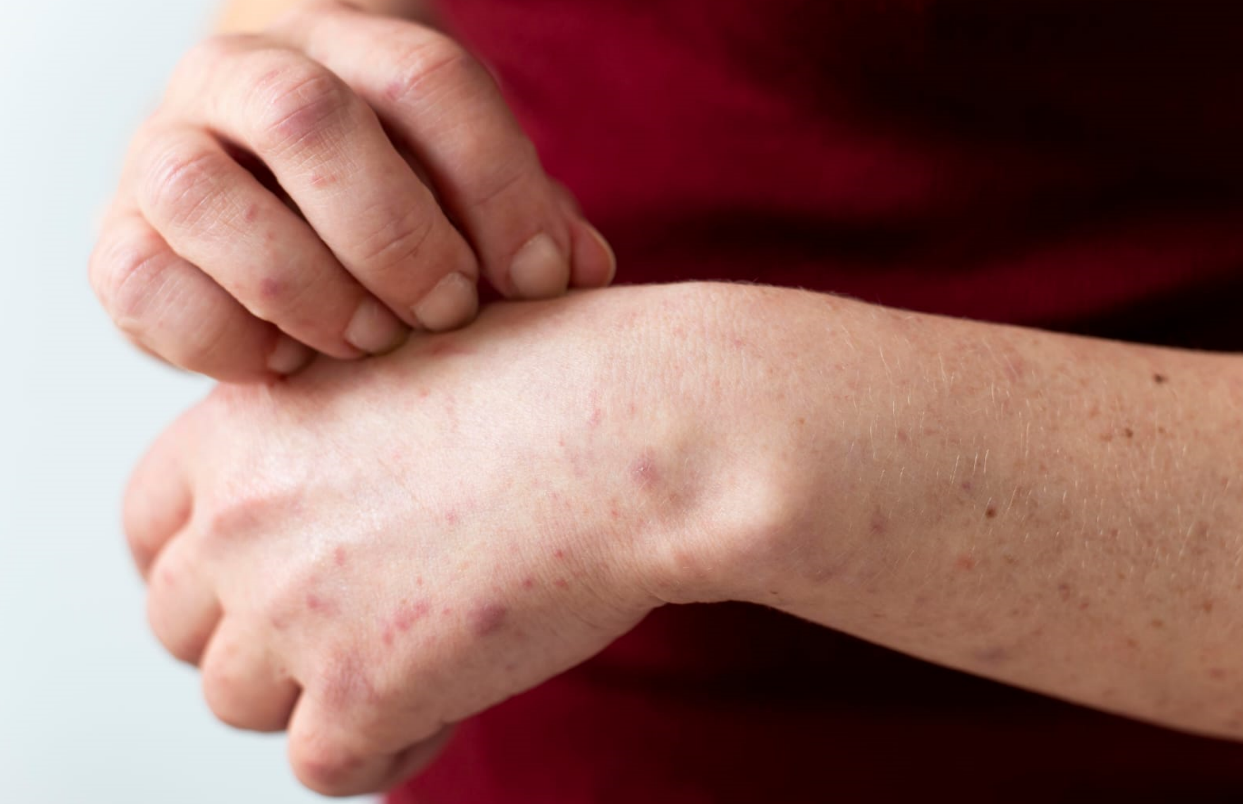
Atopic Dermatitis is a chronic skin condition that affects millions of people worldwide. This condition, often referred to as eczema, causes inflamed, itchy, and sometimes painful patches of skin. Atopic Dermatitis is essential in understanding the nature of this skin disorder, its symptoms of this condition, and the available treatments. In this blog, explore the causes, symptoms, and treatment methods, including clinical trials, to provide a comprehensive guide to managing this condition.
Atopic Dermatitis: More Than Skin Deep
This skin disorder is a chronic inflammatory condition that flares up due to a combination of genetic, environmental, and immune system-related factors. It is characterized by itchy, dry, and red skin, which can become cracked and even bleed in severe cases. Atopic Dermatitis, often called eczema, is mostly seen in infants and young children, although adults can experience flare-ups as well. The skin condition is often linked to an overactive immune response and tends to occur alongside other allergic conditions, such as asthma, hay fever, or food allergies. Dermatitis herpetiformis vs eczema is an important distinction, as dermatitis herpetiformis is an entirely different condition linked to gluten sensitivity. Due to its chronic nature, individuals with Atopic Dermatitis may experience repeated flare-ups throughout their lives, making it a lifelong condition that requires ongoing management.
Recognizing the Signs of Atopic Dermatitis
The symptoms of atopic dermatitis can vary significantly depending on the severity of the condition and the individual’s age. While most people with this condition experience periodic flare-ups followed by periods of remission, the following symptoms of eczema are common:
- Intense itching: Itching is often the most uncomfortable symptom and can lead to scratching, which exacerbates skin damage.
- Red or brownish-gray patches: These patches can appear on the hands, feet, ankles, wrists, neck, upper chest, eyelids, and areas around the elbows and knees.
- Raised bumps: Small, raised bumps may appear on the skin, which can ooze fluid and crust over when scratched.
- Thickened, dry, and scaly skin: Prolonged irritation and scratching can cause the skin to thicken, making it more susceptible to further damage.
- Raw or swollen skin: This is often a result of intense scratching, leading to further inflammation.
The symptoms of atopic dermatitis tend to appear in different areas depending on the individual’s age. In infants, symptoms often affect the scalp and face, while in older children and adults, this disorder tends to develop on the inner elbows, wrists, ankles, and neck.
The Itchy Equation: Causes and Risk Factors of Atopic Dermatitis
Atopic Dermatitis is believed to result from a combination of genetic, environmental, and immune system factors. The exact cause remains unknown, but researchers believe that certain genetic mutations impair the skin’s ability to provide an effective barrier. This weakened skin barrier allows moisture to escape and bacteria and allergens to penetrate, leading to dryness and increased sensitivity to irritants.
Genetic Predisposition
One of the strongest risk factors for developing this disease is family history. If one or both parents have a history of eczema, asthma, or hay fever, the likelihood of developing eczema is significantly higher. The genetic component not only predisposes individuals to eczema but also influences the severity of the condition.
Immune System Dysfunction
An overactive immune response also plays a critical role in the development of atopic dermatitis. When the immune system becomes triggered by environmental factors such as allergens or irritants, it launches an inflammatory response that leads to redness, swelling, and itching. This hyper-reactivity makes the skin more prone to flare-ups.
Environmental Triggers
Several environmental factors can trigger or worsen atopic dermatitis symptoms. Common triggers include:
- Harsh soaps and detergents: Certain skincare products can strip the skin of its natural oils, leading to dryness and irritation.
- Allergens: Pollen, dust mites, mold, and pet dander can provoke allergic reactions that trigger eczema flare-ups.
- Temperature changes: Cold, dry weather often worsens this skin problem, while excessive sweating in hot, humid conditions can also aggravate symptoms.
- Stress: Emotional stress has been linked to exacerbating atopic dermatitis flare-ups, as stress triggers inflammatory responses in the body.
Finding Relief Treatment Options
While there is no cure for this condition, a range of treatments can help manage the condition and reduce flare-ups. Understanding your triggers and working closely with a dermatologist can help control the symptoms of atopic dermatitis. Treatment options include:
- Topical Medications
Topical corticosteroids are often prescribed to reduce inflammation and itching. Calcineurin inhibitors are another option for long-term management, helping to maintain skin health by reducing immune responses that contribute to skin flare-ups.
- Moisturizers and Emollients
Since dry skin is a hallmark of eczema, keeping the skin hydrated is essential. Regularly applying thick moisturizers can help to restore the skin’s natural barrier and prevent further irritation. However, if someone is facing vitiligo issues, going for vitiligo treatment in Singapore will be the right choice.
- Antihistamines
To manage the itchiness, over the counter or prescription antihistamines can be used. These are particularly useful when the itching becomes unbearable, especially at night.
- Phototherapy
Phototherapy, or light therapy, is an option for severe cases of this skin condition. This treatment involves exposing the skin to controlled doses of ultraviolet light, which can help to reduce inflammation and itching.
Clinical Trials and Emerging Treatments
For those struggling with severe or treatment-resistant to eczema or atopic dermatitis clinical trials offer hope for newer, more effective treatments. Clinical trials focus on advanced therapies for skin conditions like atopic dermatitis and may provide options for management of this skin condition problem. These trials are carefully designed to test the safety and effectiveness of new medications, biologics, and other innovative treatments. Patients participating in these clinical trials can access the latest treatments, contributing to medical research in eczema.
Takeaway
Atopic Dermatitis is a chronic, often frustrating condition that goes beyond just affecting the skin. It results from a complex interplay of genetic, environmental, and immune factors, requiring ongoing management and personalized care. Recognizing triggers and symptoms is vital for controlling flare-ups and preventing further damage to the skin. While there is no cure, various treatment options, including topical medications, moisturizers, antihistamines, and phototherapy, can provide significant relief. Additionally, clinical trials offer promising opportunities for those with severe or treatment-resistant cases. By participating in these trials, patients gain access to innovative therapies and contribute to the advancement of medical research. Understanding Atopic Dermatitis and staying informed about the latest treatments can greatly improve the quality of life for those living with this condition.
