

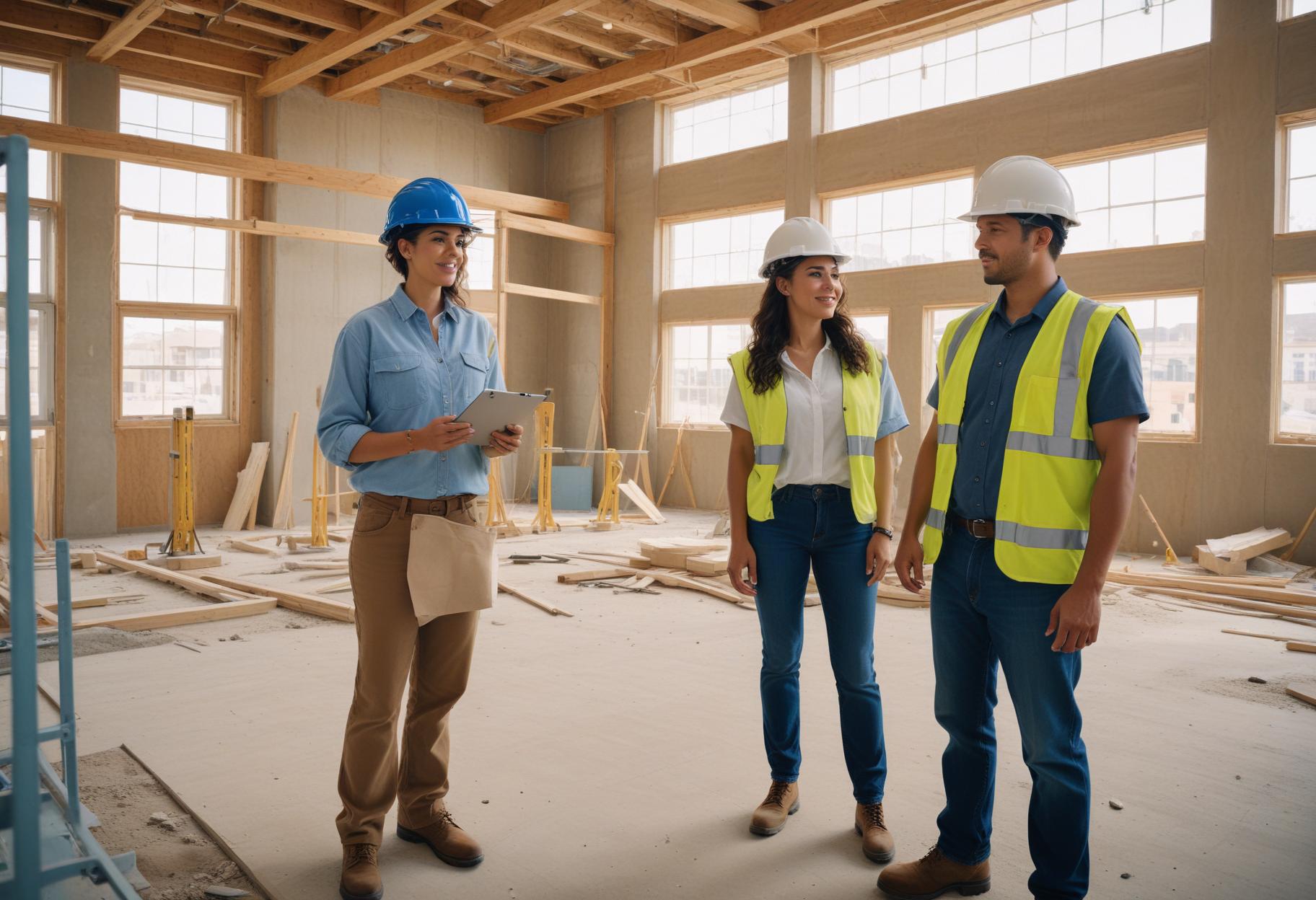
In an industry as crucial and ancient as construction, embracing new technology can be challenging. Yet, innovation is essential for staying competitive and efficient. Augmented reality combines advanced camera and sensor technology to blend digital elements with the real world, providing real-time visualizations, sounds, and sensory feedback.
This powerful tool is revolutionizing various aspects of construction. Here’s how:
- Enhancing Project Planning and Presentation
One of the most impactful applications of augmented reality in construction is in project planning and presentation. Traditionally, construction plans and blueprints can be complex and difficult to interpret. AR simplifies this by overlaying digital models directly onto physical spaces. Imagine being able to see a virtual version of the construction plan superimposed on the actual site. This visualization helps everyone involved—architects, engineers, and clients—gain a clear and detailed understanding of the project. Additionally, AR enables virtual tours before construction starts, allowing stakeholders to explore and review the design in an immersive environment.
- Real-Time Project Information Visualization
The true strength of AR lies in its ability to merge documentation with real-time data. With AR, all parties can continuously monitor the progress of a construction project. This real-time visualization ensures that any discrepancies between the plan and actual work are identified promptly. It also enables precise measurements and assessments of project efficiency. For example, if there’s a change in the design, AR can immediately show how it will affect the overall project, helping teams make informed decisions quickly.
- Your New Design Companion
AR is set to become an indispensable tool for design modifications. With AR, you can instantly visualize changes using real-time scans and 3D models. This immediate visualization streamlines the design process, fostering better collaboration between architects and construction teams. Similarly, augmented reality furniture placement offers a glimpse into how new furniture might look within an existing space, enhancing interior design decisions with precision.
- Fostering Effective Teamwork
Collaboration is key in the construction industry, and AR enhances this by ensuring that all team members are on the same page. It allows for the remote sharing of updates and visualizations, meaning that not everyone needs to be physically present on-site. This technology supports problem-solving and error correction from early stages, improving efficiency and reducing the likelihood of costly mistakes. By focusing on an ideal outcome, AR helps teams work together more effectively, even from different locations.
Contents
How AR Integrates into Construction Phases
AR technology can be utilized throughout the entire construction lifecycle:
- Before construction begins, AR allows for detailed visualization of the proposed design, helping to refine and perfect it.
- During the build, AR helps verify that work aligns with the plans, reducing errors and ensuring timely completion.
- After the project is finished, AR can be used to verify that all specifications have been met and to conduct thorough inspections.
The Advantages of AR in Construction
AR offers several benefits to the construction industry:
- AR minimizes the need for rework by allowing for early detection of issues. This helps keep projects on schedule and within budget.
- By providing clear visual updates and eliminating paper schedules, AR helps improve communication and efficiency.
- AR can contribute to better safety practices by providing detailed information and warnings in real-time.
Addressing the Challenges
Despite its advantages, AR in construction faces some limitations:
- Many in the industry view AR as a new and unproven technology. Its acceptance is still growing, and there are concerns about its maturity and reliability.
- The initial investment in AR technology can be substantial, particularly for smaller companies. However, as technology advances and costs decrease, more businesses are likely to adopt AR.
- There is a learning curve associated with AR technology, and a stable internet connection is required to ensure it functions effectively on-site.
The Future of AR in Construction
Augmented Reality is poised to drive significant changes in the construction industry. By optimizing processes and improving efficiency, AR is set to enhance project execution and safety. As the technology continues to evolve, it promises to offer even more opportunities for innovation and improvement in the construction sector.
