

The reliability of solar generators for emergency backup power is a crucial consideration for homeowners and businesses. Solar generators offer a clean, renewable energy source that can be a lifesaver during power outages. But are they reliable enough to depend on when it matters most? In this article, we’ll explore what solar generators are, how they work, and their effectiveness in providing emergency power. We’ll also examine their advantages and disadvantages and key factors to consider when choosing a solar generator. By the end, you’ll have a comprehensive understanding of whether solar generators are a viable option for your emergency power needs.
What Are Solar Generators and How Do They Work?
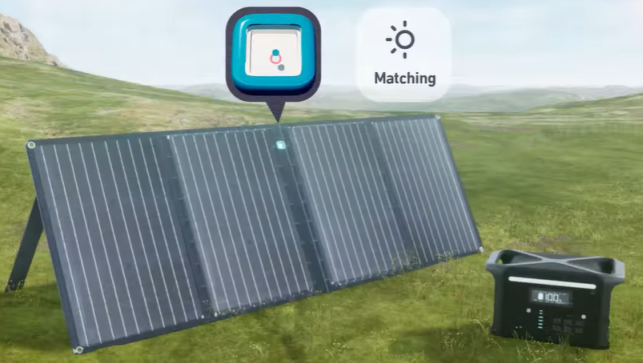
Solar generators are devices that convert sunlight into electrical energy and store it in a battery for later use transforming your home with solar energy in Chicago. They consist of solar panels, an inverter, a battery, and a charge controller.
– Solar Panels: These capture sunlight and convert it into DC (direct current) electricity.
– Inverter: This device converts the DC electricity into AC (alternating current), which is what most household appliances use.
– Battery: Stores the converted electricity for use when the solar panels aren’t generating power.
– Charge Controller: Regulates the power going into and out of the battery, preventing overcharging or discharging.
Solar generators are portable and can be used in various settings, from camping trips to home emergencies. They offer a silent and emission-free alternative to traditional gas generators. However, their effectiveness depends on several factors, including the amount of sunlight available, the capacity of the battery, and the efficiency of the inverter.
Solar generators are particularly useful in regions with abundant sunlight. They provide a renewable energy source that can reduce dependency on fossil fuels and lower electricity bills. For more information on solar generators, visit solar generators.
Are Solar Generators a Reliable Source of Emergency Power?
The reliability of solar generators for emergency power depends on several factors:
- Sunlight Availability:Solar generators need sunlight to generate power. In regions with limited sunlight, especially during winter or cloudy days, their efficiency can be compromised.
- Battery Capacity:The battery’s capacity determines how much power can be stored and used during an outage. Larger batteries provide more extended power but are also more expensive.
- Power Needs:Assessing your power needs is crucial. Solar generators can power essential devices like lights, phones, and small appliances. However, they might not be sufficient for high-energy-demand appliances like refrigerators or air conditioners.
- System Maintenance:Regular maintenance ensures optimal performance. Keeping the solar panels clean and checking the battery and inverter can prevent unexpected failures.
- Backup Options:Having a backup plan, such as additional batteries or a hybrid system that includes a traditional generator, can enhance reliability.
While solar generators offer a sustainable and eco-friendly solution for emergency power, their reliability varies based on these factors. They are most reliable in areas with consistent sunlight and when used for low to moderate power needs.
Pros and Cons of Using Solar Generators for Emergency Backup
Pros:
– Renewable Energy Source: Solar generators use sunlight, a renewable resource, reducing reliance on fossil fuels.
– Eco-Friendly: They produce no emissions, making them environmentally friendly.
– Quiet Operation: Unlike gas generators, solar generators operate silently, making them ideal for residential areas.
– Low Operating Costs: After the initial investment, the ongoing costs are minimal since sunlight is free.
– Portability: Many solar generators are portable and easy to transport, making them versatile for various uses.
Cons:
– High Initial Cost: The upfront cost of solar generators can be high, especially for models with large battery capacities.
– Dependence on Sunlight: Their efficiency is directly tied to sunlight availability, which can be unpredictable.
– Limited Power Output: They may not provide enough power for all household needs, particularly high-energy appliances.
– Battery Lifespan: Batteries degrade over time and may need to be replaced, adding to the overall cost.
– Space Requirements: Solar panels require space for installation, which may not be feasible for all homes.
Conclusion:
Solar generators offer several advantages, particularly in terms of sustainability and operating costs. However, their limitations, such as dependence on sunlight and initial cost, must be carefully considered. They are best suited for areas with ample sunlight and for users with moderate power needs.
Factors to Consider When Choosing a Solar Generator
When selecting a solar generator, consider the following factors:
- Power Output:Determine the generator’s power output and ensure it meets your energy needs. Calculate the wattage required for essential devices.
- Battery Capacity:Check the battery’s storage capacity, measured in watt-hours (Wh). A higher capacity means more stored energy for extended use.
- Portability:Consider the generator’s weight and size. Portable models are ideal for camping or emergencies but may have lower capacities.
- Solar Panel Efficiency:Look for high-efficiency panels that can convert more sunlight into electricity, enhancing the generator’s performance.
- Inverter Quality:A good inverter ensures efficient conversion of DC to AC power. Check the inverter’s wattage rating to match your power needs.
- Durability:Choose a generator with robust construction and weather-resistant features, especially if you plan to use it outdoors.
- Charging Options:Some solar generators can be charged via AC outlets or car chargers. Multiple charging options add convenience.
- Brand Reputation:Research reputable brands with positive customer reviews and reliable customer service.
- Warranty:Look for products with a warranty to protect your investment. Longer warranties often indicate better quality.
These factors will help you select a solar generator that suits your specific requirements, ensuring reliability during emergencies.
Conclusion
Solar generators are a viable option for emergency backup power, offering numerous benefits such as renewable energy use, eco-friendliness, and quiet operation. However, their reliability depends on factors like sunlight availability, battery capacity, and power needs. They are best suited for regions with consistent sunlight and for users with moderate power demands. While the initial cost may be high, the long-term savings and environmental benefits can outweigh the investment. By carefully considering the factors discussed, you can choose a solar generator that meets your needs and provides reliable emergency power.
FAQs
Can a solar generator power a house?
A solar generator can power essential devices in a house, such as lights, phones, and small appliances. However, its capacity may not be sufficient for high-energy-demand appliances like refrigerators or air conditioners. For whole-house power, a larger system or multiple solar generators may be necessary.
How long can a solar generator run continuously?
The runtime of a solar generator depends on its battery capacity and the power consumption of connected devices. Small devices can run for several hours, while high-energy appliances may deplete the battery quickly. On average, a solar generator can provide continuous power for a few hours to a day, depending on usage.
Are solar generators better than gas generators?
Solar generators offer advantages like renewable energy, eco-friendliness, and quiet operation. However, gas generators typically provide more power and are not dependent on sunlight. The choice between the two depends on your specific needs, budget, and environmental considerations. Solar generators are ideal for low to moderate power needs and eco-conscious users.
