

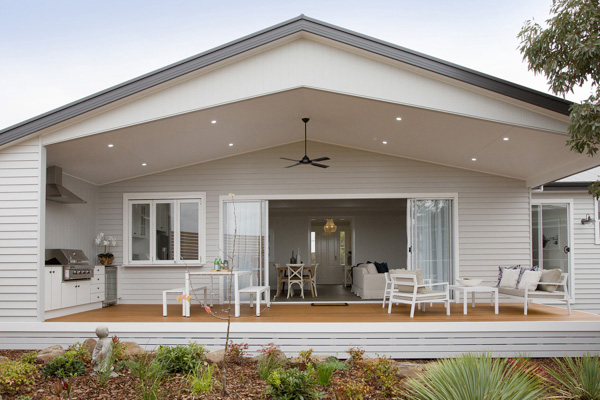
Affordable transportable homes offer a practical and cost-effective housing solution for many people. These homes, also known as prefab or modular homes, are built in factories and then transported to their final location. They provide a quicker and often cheaper alternative to traditional on-site construction. Transportable homes come in various sizes and styles, making them suitable for different needs and preferences. Let’s discover affordable transportable homes at Todd Devine.
Types of Affordable Transportable Homes
There are several types of affordable transportable homes available in the market. Container homes, made from repurposed shipping containers, are becoming increasingly popular due to their durability and eco-friendly nature. Tiny homes, which are small, compact houses often on wheels, offer a minimalist lifestyle option. Modular homes are larger structures made of multiple sections that are assembled on-site.
Another type is the kit home, where all the materials are pre-cut and delivered to the site for assembly. Granny flats, which are small, self-contained living spaces often placed in the backyard of an existing home, can also be transportable. Each type has its own advantages and can suit different living situations and budgets.
Cost Savings of Transportable Homes
One of the main attractions of transportable homes is their affordability. These homes are often cheaper than traditional houses due to several factors. The controlled factory environment where they are built reduces waste and increases efficiency, lowering production costs. The construction time is also shorter, which can lead to savings on labor costs.
Additionally, many transportable homes are designed to be energy-efficient, which can result in lower utility bills over time. The ability to place these homes on less expensive land or in areas where traditional construction might be challenging can also contribute to overall cost savings. However, it’s important to factor in transportation and installation costs when budgeting for a transportable home.
Customization Options
Despite being pre-built, many affordable transportable homes offer customization options. Buyers can often choose from different floor plans, exterior finishes, and interior design elements. Some manufacturers allow for more extensive customization, including the addition of solar panels, smart home features, or specific accessibility modifications.
The level of customization can vary depending on the type of transportable home and the manufacturer. While extensive customization might increase the cost, it allows buyers to create a home that suits their specific needs and tastes. It’s important to discuss customization options and their associated costs with the manufacturer before making a purchase.
Regulations and Zoning Considerations
Before purchasing a transportable home, it’s crucial to understand local regulations and zoning laws. Some areas have restrictions on the types of transportable homes allowed or require specific permits for installation. Zoning laws may dictate where these homes can be placed and what utilities need to be connected.
In some cases, transportable homes may not be considered permanent structures, which can affect property taxes and insurance. It’s advisable to check with local authorities and possibly consult with a real estate professional familiar with transportable homes in your area. Understanding these regulations beforehand can prevent potential legal issues and ensure a smooth installation process.
Transportation and Installation Process
The process of transporting and installing a transportable home is a crucial aspect to consider. Most manufacturers handle the transportation of the home to the site. The home is typically transported on a large truck or in sections if it’s a modular home. Upon arrival, it is placed on a prepared foundation, which could be a concrete slab, piers, or a basement.
The installation process usually involves connecting utilities, securing the home to the foundation, and completing any final touches. This process can take anywhere from a few days to a couple of weeks, depending on the size and complexity of the home. It’s important to have a clear understanding of the transportation and installation timeline and costs when planning your move into a transportable home.
