

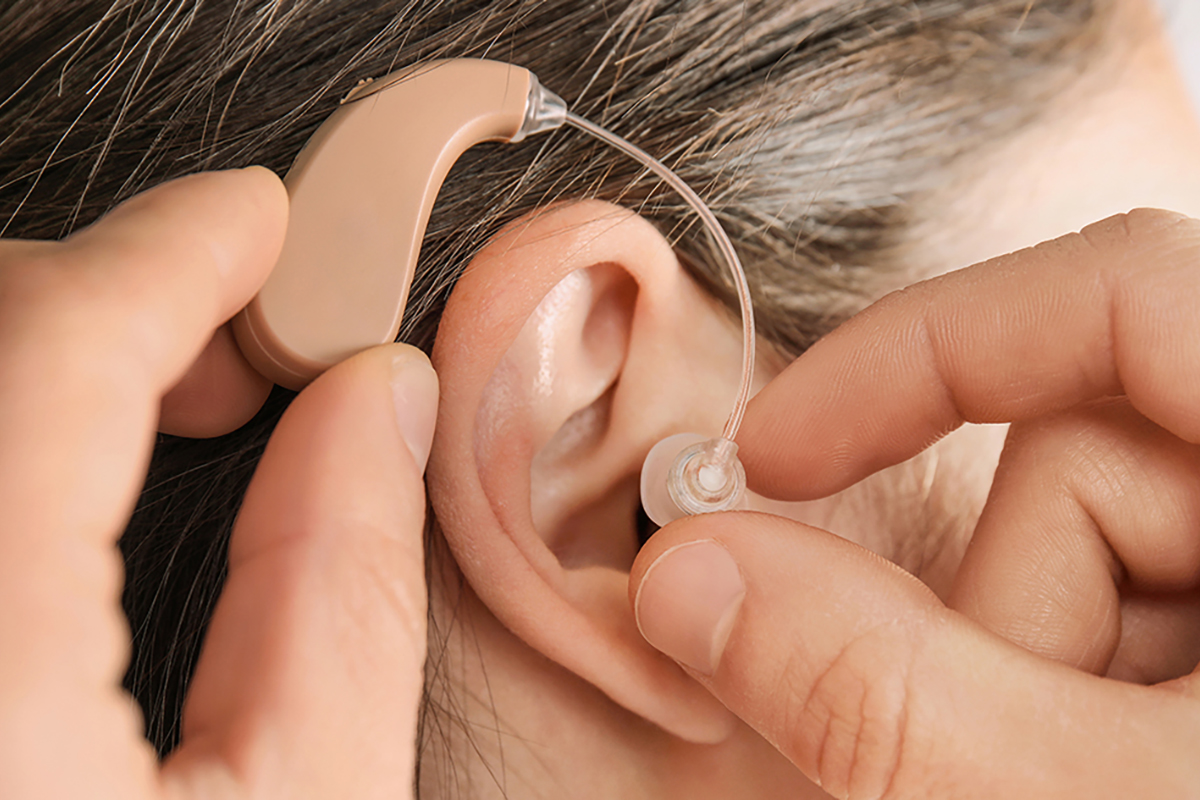
When it comes to maintaining your hearing aids, selecting the right supplies is crucial for ensuring optimal performance and extending the lifespan of your devices. Whether you’re a first-time hearing aid user or have been using them for years, understanding what to look for in quality hearing aid supplies can make all the difference. This guide will walk you through everything you need to know to make informed decisions about your hearing aid maintenance needs.
Contents
The Importance of High-Quality Batteries
One of the most important hearing aid supplies you’ll need for your hearing aids is batteries. The type and quality of batteries you choose can significantly impact the performance of your hearing aids. It’s essential to select the correct size and type of battery recommended by your hearing aid manufacturer. High-quality batteries ensure consistent power output, which translates to clear and reliable sound quality.
When choosing batteries, consider their longevity, as frequent replacements can be both inconvenient and costly. Look for trusted brands that are known for their durability and consistency. Some batteries also come with advanced features like longer shelf life or eco-friendly materials, which may be beneficial depending on your preferences.
Cleaning and Maintenance Tools
Regular cleaning and maintenance are crucial to ensuring your hearing aids remain effective. Over time, earwax, dust, and moisture can accumulate in your hearing aids, potentially damaging the delicate internal components. To prevent this, it’s essential to invest in high-quality cleaning supplies designed specifically for hearing aids.
Basic cleaning kits usually include brushes, picks, and wipes that help remove debris from your hearing aids. A cleaning brush with soft bristles is particularly useful for gently cleaning the microphone and speaker ports without causing damage. Some kits also come with a drying box or dehumidifier, which is essential for removing moisture that can build up inside the hearing aids, especially if you live in a humid environment or sweat frequently.
The Role of Wax Guards in Hearing Aid Performance
Wax guards are small, disposable filters that sit in the ear canal end of your hearing aid to prevent earwax from entering the device. Earwax is one of the leading causes of hearing aid malfunction, so using wax guards is a simple yet effective way to protect your investment.
When choosing wax guards, it’s important to select ones that are compatible with your specific hearing aid model. Some manufacturers offer universal wax guards, but others may require brand-specific versions. Regularly replacing the wax guards—typically every few weeks or when you notice a decline in sound quality—can help maintain optimal hearing aid performance.
Replacing Hearing Aid Parts
Over time, certain parts of your hearing aids may need to be replaced due to wear and tear. Common replaceable parts include ear domes, tubing, and receivers. Knowing when to replace these components is essential to maintaining the effectiveness of your hearing aids.
Ear domes, which fit inside your ear canal, may need replacing if they become discolored, cracked, or lose their shape. Tubing, which connects the hearing aid to the ear mold, can harden or become brittle over time, affecting sound transmission. Receivers, which are responsible for delivering sound into your ear, might also need replacement if they become clogged or damaged. Always use manufacturer-approved parts to ensure compatibility and optimal performance.
Where to Buy Quality Hearing Aid Supplies
When it comes to purchasing hearing aid supplies, there are several options available. You can buy supplies directly from your hearing aid manufacturer, which guarantees that the products will be compatible with your device. Alternatively, you can purchase supplies from authorized retailers or online stores that specialize in hearing aid accessories.
It’s essential to ensure that you’re buying from reputable sources to avoid counterfeit or low-quality products. Look for retailers that offer guarantees or warranties on their products, and check reviews from other customers to gauge the reliability of the supplier. If you’re unsure about which supplies are best for your hearing aids, consult with your audiologist, who can recommend the most suitable options for your needs.
Conclusion
Choosing quality hearing aid supplies is vital for ensuring the longevity and effectiveness of your hearing aids. Remember to buy from trusted sources, and don’t hesitate to seek professional advice if you’re unsure about any aspect of your hearing aid maintenance. With the right supplies, you can confidently manage your hearing health and continue to enjoy the sounds of life.
