

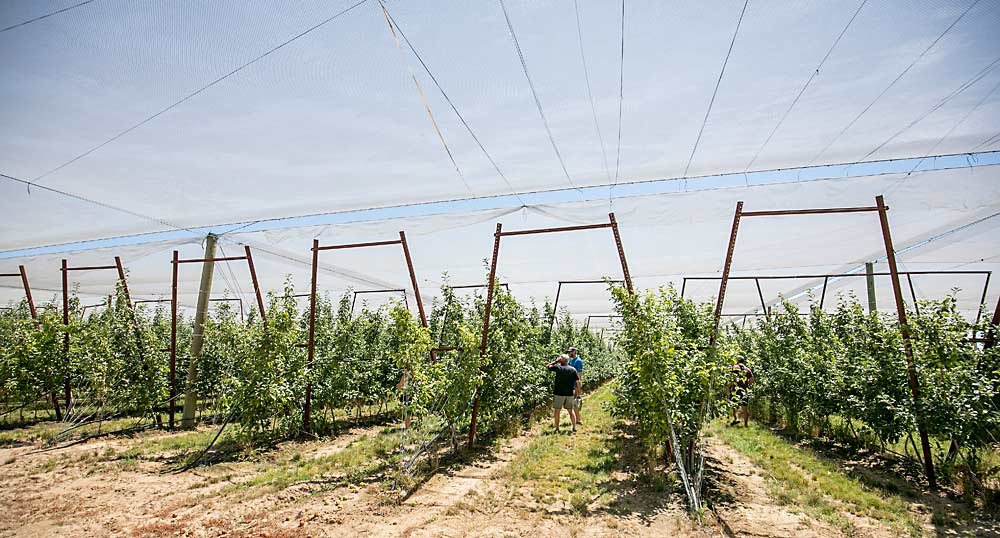
The thing about Kenya, a farming country where the burning sun can either be a gift or a curse, is that maximizing yields entails innovation. This is since there is increased use of shade nets among Kenyan farmers, hence their need for alternative approaches to dealing with them. They are widely used because they are seen to be flexible to control environmental factors that destroy crops and, at the same time, enhance their growth.
Shade nets have become popular for being flexible enough to control those factors known to destroy crops while ensuring crop growth is promoted. This article gives insights into why shade net Kenya are important in Kenya’s agricultural sector and how farmers utilize this technology to increase productivity.
Understanding Shade Nets: A Brief Overview
Shade nets, also called shade cloth and shade netting, are woven fabrics that allow air movement within them but reduce the intensity of light.
The shading percentages differ, thus enabling farmers to choose what should be applied to their farms according to the specific requirement of shadiness.
In Kenya, where sunlight could be harsh, these shade nets come in handy because they help protect plants from excess heat and radiation, thereby creating a better microclimate for plant growth.
Why shade nets are important in Kenyan agriculture
There are different reasons why shade nets play an important role in Kenyan agriculture:
Protection against strong sunlight:
In Kenya, where sunshine is intense, sunburns, wilting, and reduced photosynthesis because of severe sunlight may occur to crops. Shade nets therefore faint out the sun’s rays, shielding off sensitive crops.
Temperature control:
During the hot season, when temperatures rise, the shade net reduces direct sunlight, regulating temperature and avoiding severe temperature fluctuations necessary for optimal plant growth.
Conservation of water:
By reducing soil surface water evaporation, shade nets aid farmers in saving water, especially in dry-land areas.
Pest and disease control:
These nets act as barriers that physically deter pests like insects and birds, reducing the need to use chemical pesticides.
Also, they create an environment that is unfriendly to some diseases, thus making crops healthier.
Choosing the Right Shade Netting
How to Select the Right Shade Net:
What’s in a name? Production of plants in shade or partial shade is controlled by different crops, which require varying degrees of shading.
Lettuce and spinach, being more tender crops, need higher shading percentages, while tomatoes and other sun-tolerant crops may do well with lower percentages.
Quality materials are what separate quality nets from others. The best choice for long-lasting and strong shade nets would be those made of UV-stabilized materials since they can remain intact under Kenya’s adverse weather.
Shade Size:
When it comes to planting area size and proper positioning of shade netting, there is a necessity both for its extent as well as how well the crops are supported.
Maximizing Crop Yield with Shade Nets
Farmers are gaining major benefits through the application of shade nets in their farming practices all over Kenya.
Yield Increase:
By providing an appropriate environment for plant growth, shade nets increase crop yields compared to non-shaded crops.
Extended Growing Seasons:
The use of shade nets enables farmers to protect their crops against harsh weather conditions, thus making it possible to practice farming throughout the year with multiple cropping seasons, for example.
Best Quality:
Sun and environmental stresses are reduced in crops grown under shade nets, hence improving the color, size, and taste of the produce.
Case Studies: Success Stories from Kenyan Farmers
Theory 1: Tomato Farming in Central Kenya
After installing shade nets on her tomato plants, Jane Mwangi, who is a tomato farmer in Central Kenya, increased her yield by 30%. She observes that since she introduced installations of shade netting on these tomatoes, they have become bigger and less blemished.
Case Study 2: Flower Farming in Naivasha
Using shade nets, Joseph Kamau found out that it was possible to increase flower production, which protects delicate blooms from sun damage. His roses are now marketable at higher prices than before because they have attained superior quality.
Economic and environmental benefits
Economic Impact:
Shade nets provide an attractive return on investment for farmers through increased crop yields and better quality; moreover, they lead to higher profits. In addition, water savings as well as reduced usage of pesticides result in lower costs.
Environmental Sustainability:
With shade nets, you don’t need chemicals, but water conservation is promoted, thereby making farming environmentally sustainable and reducing agriculture’s ecological footprint.
Challenges and Prospects Going Forward
However, shade nets are not without challenges. Issues of start-up costs, maintenance, and proper ventilation remain problematic. The future looks promising for shade net farming in Kenya, however, due to rising awareness and technological advancements.
Concluding Remarks
Shade nets have become very useful tools for maximizing output as well as ensuring environmentally friendly agricultural practices in Kenya.
Shade nets, on the other hand, provide a complete approach that can assist farmers in optimizing crop production through protection against scorching sunlight, temperature regulation, and reduced pest pressure. Consequently, more farmers adopting this technology coupled with sustained support for research and development will see shade net farming play a crucial role in Kenya’s agriculture growth agenda as well as food security initiatives.
