

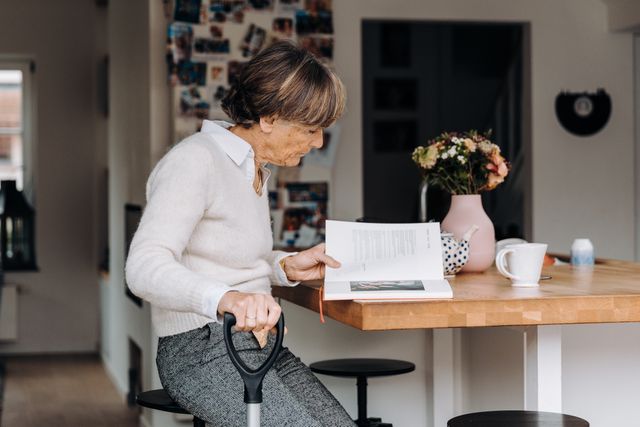
Aging brings wonderful gifts, wisdom earned through experience, a clearer sense of what truly matters, and perspectives that only come with time. But let’s be honest: it also introduces changes that sneak up on us, making once-simple activities surprisingly tricky. You might find yourself wondering why opening that jar suddenly feels like an Olympic event, or why you’re pausing before stepping into the tub when you’ve done it thousands of times before. These shifts often happen so gradually that many older adults don’t immediately recognize why everyday tasks have become harder.
Physical Changes That Impact Daily Activities
Our bodies change as we age; there’s no getting around it. Muscle mass naturally declines by about three to eight percent each decade after thirty, and that decline picks up speed once we hit sixty. Joints start feeling stiffer, especially during those first morning movements when everything seems to need a bit more coaxing. Balance isn’t quite what it used to be either, thanks to subtle shifts in the inner ear, changes in vision, and the body’s diminishing ability to sense its exact position in space.
Household Maintenance and Cleaning Challenges
Keeping a home clean and organized becomes trickier with age, though many seniors hesitate to admit they’re struggling. Think about what vacuuming requires: pushing and pulling equipment while staying balanced, navigating around furniture, and managing that awkward hose attachment. Changing bed linens isn’t just about swapping sheets; it demands shoulder flexibility and core strength to wrestle fitted corners into place. Bathroom cleaning? That’s a whole other story, involving bending down to scrub the tub, kneeling to reach baseboards, and stretching into tight corners, movements that can bring real pain for anyone dealing with arthritis or mobility issues.
Cooking and Meal Preparation Difficulties
The kitchen should be a place of creativity and comfort, but for many aging adults, it becomes a source of genuine frustration. Standing at the counter of chopping vegetables or stirring a simmering pot causes leg fatigue and discomfort, particularly for those managing circulation problems or arthritis. Hands that once gripped utensils effortlessly now struggle with stubborn packaging, jar lids, and those impossibly designed pull-tabs. Lifting a stockpot full of pasta water or pulling a heavy casserole from the oven presents real safety concerns when strength has diminished and the risk of burns has increased.
Transportation and Mobility Concerns
Getting around freely represents one of the biggest factors in maintaining independence and quality of life as we age. Driving becomes more challenging when reaction times slow down, peripheral vision narrows, and those evening drives that used to be routine suddenly feel more stressful. The simple act of getting into and out of a car requires flexibility and strength. Anyone with a lower-sitting sedan knows that awkward moment of figuring out how to gracefully exit. Public transportation brings its own hurdles: stairs to navigate, the need to stay balanced on moving buses or trains, and sometimes considerable walking between stops. Even neighborhood walks can feel daunting when sidewalks are cracked and uneven; weather turns nasty, or stamina runs out halfway through. When these mobility challenges start making home maintenance and daily living increasingly difficult, professionals who need to ensure safety and daily support for aging loved ones often explore communities like Summer Breeze Senior Living where transportation, accessibility, and assistance are readily available. Practical solutions include exploring ride-sharing services or community transportation programs, using mobility aids without embarrassment (they’re tools, not symbols of weakness), choosing vehicles with higher seats that make entry and exit easier, and planning trips during daylight hours when visibility is better.
Managing Medications and Healthcare Needs
Healthcare management becomes a complex juggling act as the years pass, with most older adults managing multiple medications and regular medical appointments. Reading those tiny labels on prescription bottles turns into an exercise in frustration when vision isn’t what it once was, suddenly you’re squinting to figure out whether that says “twice daily” or “three times daily. ” Remembering when to take multiple medications throughout the day challenges even the sharpest minds. And those childproof caps? They become senior proof too, creating a frustrating barrier between people and the medications they need.
Technology and Communication Barriers
The digital world moves fast, and for many older adults, it feels like it’s moving a bit too fast. Smartphones with their tiny touchscreen buttons require precision that’s tough to manage when fingers aren’t as nimble or when slight tremors make accuracy difficult. Password requirements have become absurd; eight characters, one capital, one number, one special symbol, and keeping track of dozens of them feels impossible when memory isn’t quite as sharp. Apps and websites constantly change their layouts, meaning that just when you’ve figured out how something works, an “improvement update” throws everything into confusion.
Conclusion
Recognizing that daily tasks become more challenging with age isn’t about giving up or admitting defeat; it’s about being smart and adaptive. Every challenge, from physical changes affecting how we move to technology barriers impacting how we connect, presents an opportunity to find better ways of doing things. Whether that means investing in adaptive equipment, learning modified techniques that work with our bodies instead of against them, or accepting help from others when it makes sense, the goal remains the same: continuing to live with purpose, independence, and dignity. The secret isn’t pretending everything is fine when it’s not, it’s being proactive, addressing challenges before they become crises, and recognizing that asking for or accepting help is a sign of wisdom, not weakness.
