

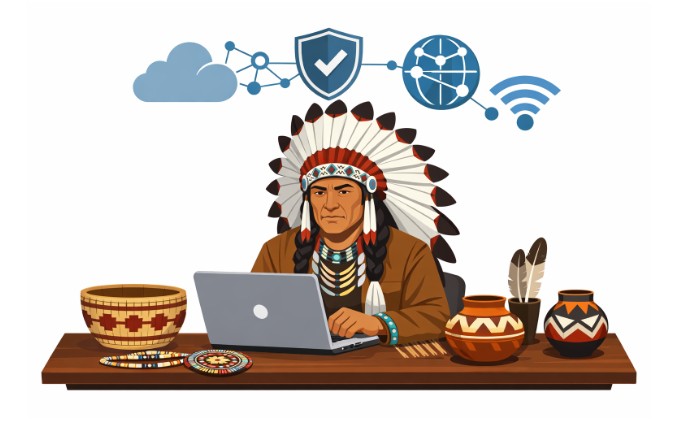
In today’s rapidly evolving technological landscape, Native American tribes are turning to digital solutions to improve governance, preserve their cultures, and drive economic growth. Digital tools, such as robust tribal software, are essential for managing tribal operations securely and efficiently. By leveraging innovative platforms, many tribes are finding new ways to uphold sovereignty, enhance service delivery, and protect vital heritage.
As technology advances, these solutions are not only helping tribes streamline their governance but also opening new opportunities for economic development and cultural preservation. Initiatives across Native communities are making it possible to digitize cultural resources, implement modern financial management, and enhance community connectivity. These efforts reflect an important shift: Native American tribes are embracing digital transformation to face modern challenges while safeguarding their identities and traditions.
Modernizing Tribal Governance
Digital transformation plays a pivotal role in updating tribal management and administrative processes. The Navajo Nation, for example, collaborated with Arctic IT to deploy an advanced Enterprise Resource Planning (ERP) system. Through this partnership, the tribe centralized vital data, automated labor-intensive paperwork, and significantly improved departmental efficiency, especially in finance and human resources. Initiatives like these ensure that tribal governments have agile, responsive platforms to better serve their citizens.
Preserving Cultural Heritage
Many tribes are adopting digital mapping and recording tools to conserve and promote their unique history. The Cow Creek Band of Umpqua Tribe of Indians launched a Cultural Resource Information System (T-CRIS) built on ArcGIS software. With this tool, tribal leaders can manage and protect historical sites, educate the community about their heritage, and fulfill vital compliance requirements. By digitizing artifacts and oral histories, tribes create lasting archives that enable future generations to celebrate their culture in new ways.
Enhancing Economic Development
Economic self-determination remains an enduring priority for Native American communities. Innovations in online gaming, for example, are transforming tribal enterprises. Companies such as 2Tribal offer specialized gaming software tailored for tribal governments, allowing them to attract wider audiences, increase revenue, and maintain compliance with complex regulations. These technology-focused business models contribute to tribal sovereignty and economic sustainability, empowering communities to thrive in the digital age.
Across the United States, similar digital economies are spurring new industries on tribal lands, diversifying income streams, and strengthening the foundation of tribal governance. Tribal investments in technology not only open jobs and revenue but also boost community well-being through training, education, and digital literacy initiatives.
Improving Public Safety
Safety is a significant concern for many remote tribal communities where traditional emergency response can be slow or unreliable. Next-generation solutions from companies like Tukuh Technologies offer E911 capabilities that are specifically designed for tribal geographies. These systems provide highly accurate geolocation data, speeding up emergency services and supporting rapid, coordinated response efforts even in rural areas without standard address systems. This progress makes a life-saving difference and enhances community resilience overall.
Federal Support and Funding
The federal government has recognized the necessity of bridging the digital divide in Indian Country. Recent grants from the National Telecommunications and Information Administration (NTIA) have provided nearly $18 million to seven tribal entities, focusing on expanding high-speed internet access. Such investments, under campaigns like the Internet for All initiative, increase broadband penetration and help tribes build vital digital infrastructure, allowing participation in the broader U.S. economy.
Challenges and Considerations
Despite the promise of digital solutions, tribes face several hurdles. Key concerns include data sovereignty, cybersecurity risks, and developing culturally responsive platforms. The establishment of the Center for Tribal Digital Sovereignty offers research, policy advice, and support for tribes to draft their own data management plans. Respecting digital sovereignty allows tribes to retain control of their data and ensures that deployment of technology aligns with community values and traditions. Addressing these topics requires ongoing education, investment, and collaboration.
Future Outlook
The journey toward fully digital tribal management is iterative and ongoing. Success will depend on sustained partnerships among tribes, IT providers, and federal agencies that honor sovereignty, privacy, and cultural heritage. As technology advances at a rapid pace, it holds the promise to further empower tribal nations to achieve resilient governance, economic growth, and cultural preservation for generations to come.
By embracing digital transformation, Native American tribes are forging a path toward resilience, autonomy, and future prosperity in an increasingly digital world.
