

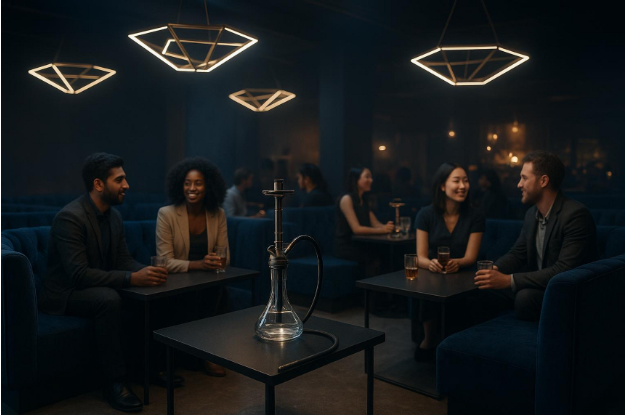
Hookah lounges are no longer just dark spots where people stop in for a quick smoke. Many of them are turning into stylish, mixed-use hangouts that people visit for a full social night out. Today, they often work as cultural meeting points, busy community spaces, and a key part of city nightlife.
This change comes from mixing older hookah traditions with modern design, planned entertainment, and a stronger focus on comfort, conversation, and calm. The goal is a full experience and a memorable vibe, not just smoking shisha.
If you want to learn more about shisha setups-both classic and modern-a dedicated shisha store can offer lots of choices and helpful details for lounge use or home use.
What Defines a Modern Hookah Lounge as a Lifestyle Space?
How Did Hookah Lounges Evolve Beyond Social Smoking?
The hookah has a long history that goes back hundreds of years, with roots in the Middle East and South Asia. For a long time, sharing a waterpipe was linked to community life, social customs, and storytelling. People used it as a way to sit together, slow down, and talk. Early hookah places often worked like coffee houses, serving drinks and food along with shisha. As hookah spread around the globe and showed up in cities from Cairo to New York, more people became interested in it.
In the early 1900s, hookah use became more open to the public instead of being limited to the wealthy. This helped dedicated hookah lounges grow across the Middle East and North Africa. That period was a turning point, because these spaces started to change from purely traditional places into modern hangouts. Views about hookah also shifted. Many people began to see it as a calmer, more relaxed option than regular cigarettes, which helped push hookah into a wider social trend.
What Lifestyle Elements Do Contemporary Hookah Lounges Offer?
Modern hookah lounges are carefully planned to feel comfortable and welcoming. For many people, they act as “third places”-spots that are not home and not work. They are meant to feel like a break, with a big focus on the mood of the space. This can include soft lighting, music chosen to support conversation, and interior design that helps guests forget daily stress for a while. Many lounges also offer craft cocktails, higher-end food menus, and creative flavor matches that make the visit feel more complete. Some even work as flexible spaces where people can do remote work during quieter hours or attend small events.
Some high-end lounges go further and run as members-only spaces, offering a more private and polished setting for guests who want that style. This wider focus-comfort, design, and food and drink-helps explain why many people now see these lounges as lifestyle spaces, especially people who want more than a quick treat.
Cultural and Social Reasons Hookah Lounges Are Gaining Popularity
How Do Hookah Lounges Act as Cultural Bridges?
Hookah lounges often work as cultural mixing spaces, especially in large cities like New York. They combine older customs with modern styles and can be a strong sign of cultural pride and background. For people with roots in the Middle East, North Africa, and South Asia, shisha lounges are not just places to meet friends. They can also represent hospitality and a tie to family traditions. For people who are new to the culture, these lounges offer a simple way to see and learn the basic customs around hookah smoking.
In places where these communities may face unfair treatment, hookah lounges can also become places where people gather and claim space. They may support Black, Indigenous, and other racialized groups by giving them a place to meet, be visible, and share their own stories-sometimes even while facing rules or bans that hit their businesses harder than others.
How Does the Ritual of Hookah Improve Social Connection?
The main reason hookah stays popular is the way it brings people together. Sharing a hookah and passing the hose creates a group feeling right away. It is a slow ritual that helps people step away from a fast daily routine. Conversations last longer, people relax into the moment, and the feeling of doing something together becomes real. Since everyone shares the same setup and pace, the experience can also feel equal and inclusive.
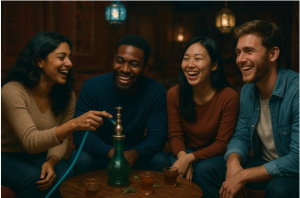
On a personal level, this shared routine can support a sense of belonging, which matters for emotional health. For many guests, it is less about nicotine and more about talking, swapping stories, and simply spending time together.
Why Do People Choose Hookah Lounges as Third Spaces?
Sociologist Ray Oldenburg used the term “third place” for casual public spots that sit between home and work and help people feel part of a community. Hookah lounges fit this idea well. They offer a shared space where people can relax, connect, and show their style without the pressure of daily tasks. The slow pace of a hookah session encourages people to settle in, making these places feel like calm breaks from the day.
They also meet a basic need for social connection, and they feel different from many cafes or restaurants. Their popularity, especially with Millennials and Gen Z, is tied to the idea of going out for an experience-trying something social and memorable with friends, where togetherness is part of the appeal.
What Sets Lifestyle-Driven Hookah Lounges Apart from Traditional Venues?
Unique Design and Ambience: From Middle Eastern Aesthetics to Modern Luxury
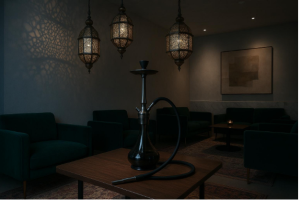
The biggest change is often the look and feel of the space. Older lounges commonly leaned into classic Middle Eastern or Mediterranean themes. Newer lifestyle lounges often mix those older styles with modern, luxury looks and cleaner, simpler design. You might see geometric lanterns and Arabic calligraphy alongside velvet seating and sleek hookahs that look like display pieces. Design is now a main part of the visit. Many lounges feel more like curated spaces, similar to art-focused bars, where the details help set a higher-end mood.
Role of Music, Lighting, and Instagrammable Decor
In lifestyle-focused hookah lounges, music and lighting are planned to shape how the space feels. Lighting is usually warm and soft to support relaxation and close conversation, while cooler tones can make the room feel more modern. Music choices are also planned, from calm Middle Eastern sounds and lo-fi beats to live oud sets or DJ nights, picked to create energy without drowning out talk. Combined with scented flavors, this creates a full sensory break from everyday life. Many lounges also build their space with photos in mind-neon signs, bold art, and attractive table layouts. This helps guests, especially younger ones, share pictures and videos online, which spreads the lounge’s image and keeps interest high.
Curated Experiences: Pairing Hookah with Food and Drinks
One clear difference in modern hookah lounges is the focus on planned food and drink pairings. In these places, hookah is not just something extra on the side. It is often the main feature and part of how the venue presents itself. Some owners now build menus where flavors match cocktails and desserts on purpose. For example, an espresso martini can go well with a chocolate-mint hookah, while a mojito can pair with a bright citrus mix.
To get these combinations right, many venues invest in quality equipment and a well-stocked flavor selection, often sourcing their pipes, bowls, and accessories from specialized suppliers like Shisha Boutique.
By offering a complete food-and-drink experience, these lounges make hookah feel easier to try and enjoyable for a wider crowd.
Lifestyle Benefits Attracting Diverse Audiences to Hookah Lounges
Social Belonging and Community
Hookah lounges now pull in many types of guests, including creatives, design fans, travelers, and people who follow trends. Many come for the overall “scene,” using the space as a backdrop for talk about music, fashion, and art. These lounges also work as casual networking spots where people meet, mix, and build community. For many guests-especially Black, brown, Muslim, and SWANA (South Asian, Southwest Asian, North African) communities-these lounges can also be places where different age groups meet and where a “family-feel” grows through shared experiences and cultural understanding.
Relaxation and Well-Being
Life often moves fast, and hookah lounges can feel like a needed pause. The slow rhythm of smoking shisha, along with low lighting and calm music, can feel similar to slow breathing used in relaxation practices. Many guests say it helps them feel calmer and less anxious. The overall sensory mix-the water sound, the coal glow, and the scented smoke-adds to that steady rhythm, turning the visit into a relaxing routine. For many people, these lounges become a go-to choice for winding down after work or daily stress.
Opportunities for Networking and Creative Expression
Beyond relaxing, lifestyle hookah lounges can also support networking and creative work. They often attract influencers, vloggers, and artists who come for fun but also for collaboration and visibility. The photo-friendly look of many lounges makes it easier to create online content while also meeting people in person. Some lounges aim to be more than smoking spots and try to run like cultural spaces-part club, part bookstore, part theatre-hosting events like poetry nights, talks, performance art, karaoke, open mic nights, and social justice organizing. This wider format helps creativity grow and helps people build real connections.
Digital Influence: The Impact of Social Media on Hookah Lounge Culture
How Do Online Trends Shape Lounge Design and Experience?
Social media has changed how hookah lounge culture is experienced and talked about. Many lounges now think about how the space will look in photos and videos. That often means neon signs, velvet seating, carefully planned lighting, and artistic table setups that guests want to post. This style matches online trends and attracts younger guests who want an experience that also looks good on their feeds. The better the space looks, the more people share it, turning the lounge into a place that naturally produces online content.
Role of Social Media in Building Hookah Lounge Communities
Social media also helps hookah lounges grow their audiences and build a sense of community. Posting a shisha session is often a way to share a lifestyle image-relaxed, social, and stylish. For many people, it also signals taste and identity to their followers, mixing real-life hangouts with online self-presentation. Social platforms can also create new community formats, like the “ShishaTime” online artist talk series, which streamed casual conversations while people smoked shisha. These online events can be temporary live moments but also leave saved videos, showing that social media shapes both the look of lounges and how people connect around them.
Are Lifestyle Hookah Lounges Safe? Balancing Experience and Health Concerns
What Safety Measures Are Implemented in Modern Lounges?
As hookah lounges become more upscale, many have raised standards for safety and cleanliness. Higher-end places often invest in strong ventilation systems and airflow planning to keep air moving and reduce heavy smoke in the room. Open layouts can also help with comfort and crowding. For hygiene, many lounges provide disposable mouth tips for each guest and follow strict cleaning steps for hookahs, hoses, and shared areas like tables and seating before and after use. Hookah setup is also handled by trained staff who know how to pack bowls, manage heat, follow charcoal safety steps, and keep sessions smooth and controlled. Many lounges also follow strict age checks to meet local laws.
Common Health Myths and Realities About Hookah Lounges
A common myth is that hookah is safer than cigarettes because the smoke passes through water. The water can cool the smoke, but it does not remove toxins. Nicotine is still present, and even if amounts differ from cigarettes, it can still affect the brain and play a role in the relaxing feeling some people report. Health groups, including the Lung Association of Manitoba, have supported bans on shisha in public spaces because of health concerns. At the same time, many guests say the slow pace and calm talk help them feel less anxious, similar to slow breathing practices. These mental effects may be real for some people, but both lounges and guests should also stay aware of the physical health risks.
Can Non-Smokers Socialize Safely in Lifestyle Spaces?
Many lifestyle hookah lounges are trying to include non-smokers and people with health concerns. Some offer separate non-smoking sections so guests can enjoy the mood without direct smoke. Herbal and nicotine-free shisha options also make it possible for some people to join the ritual without tobacco. Better ventilation and stronger standards are also becoming more common in many places, which can improve comfort. For many guests, the main draw is the social setting itself, not only the smoking. With options like food, live music, and games, non-smokers can often find a comfortable and enjoyable place to spend time with friends.
What Does the Future Hold for Hookah Lounges as Lifestyle Destinations?
Emerging Trends in Lounge Offerings and Design
Hookah lounges will likely keep pushing into new formats and new kinds of experiences. We may see more hybrid spaces, like restaurants that shift into lounges at night, or lounges that also act as art galleries. Hookah setups may even become interactive displays instead of just smoking tools. The focus is moving from smoking alone to a full sensory story where each part of the space matters. New tech may also appear, like smart hookahs with app-based heat and flavor controls that let guests adjust the session. Sustainability is also growing, with some lounges using eco-friendly coals, organic molasses, and recyclable materials, while building spaces that blend wellness, creativity, and community.
Evolving Attitudes and Regulations
As cities keep changing, the lines between restaurants, bars, lounges, and cultural spaces will likely keep blending. Many people want nights out that engage more than one sense, and hookah culture fits well because it can be adapted in many ways. Still, growth will come with changing rules and public opinion. Some cities have put shisha bans in place, sometimes linked to anti-Black, anti-Arab, and Islamophobic bias that can hit migrant-owned businesses harder. Even so, many lounges remain popular and busy. Future conversations will likely weigh public health concerns against cultural value and the local economic role of these community spaces. Moving forward will mean adjusting over time, mixing tradition with new ideas while fitting into changing social expectations.
