

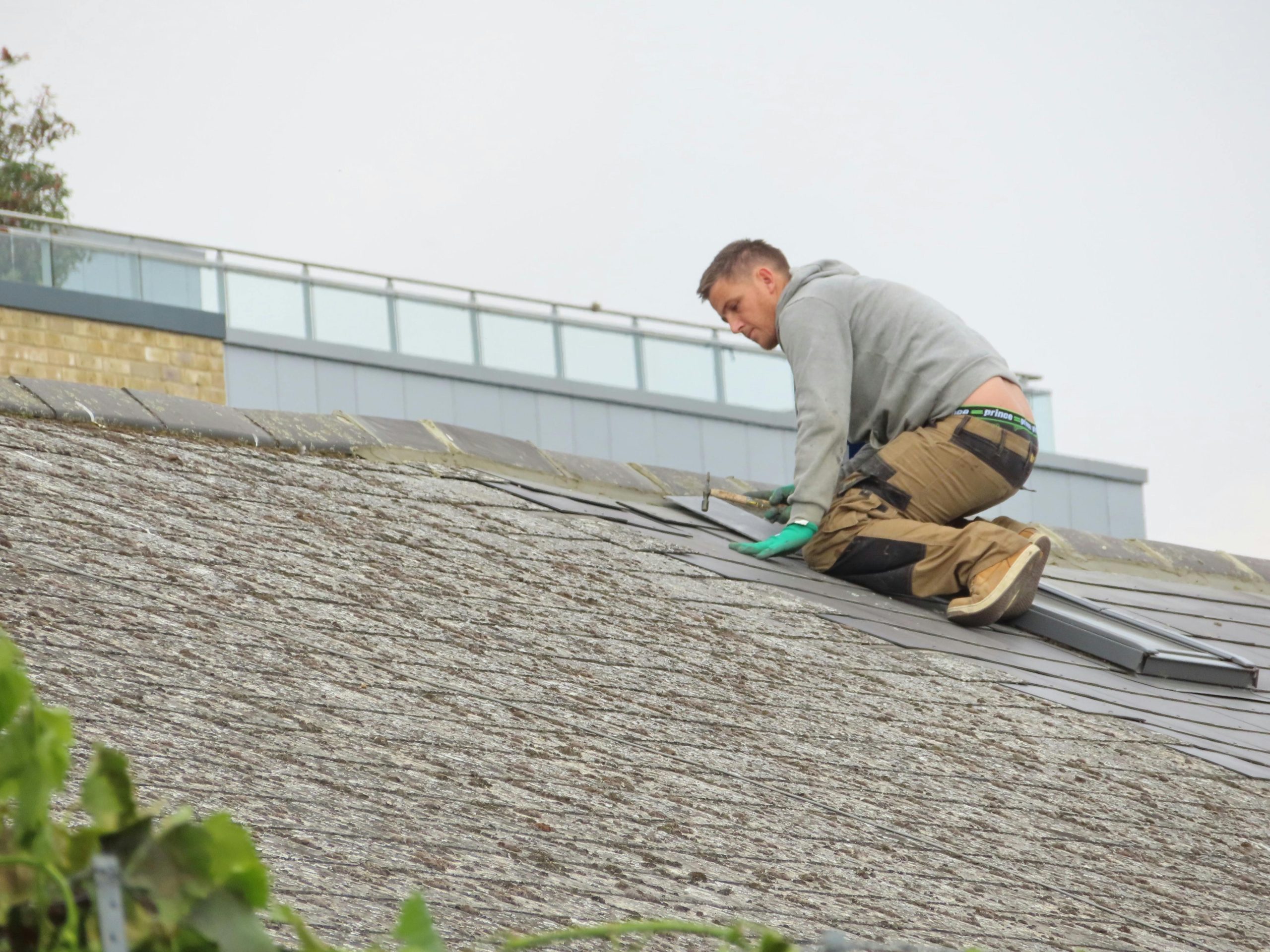
Living in the South means dealing with a climate that’s anything but gentle on roofs. Between the scorching summer heat, humidity that never seems to quit, thunderstorms that roll through with a vengeance, and the occasional hurricane threat along the coast, your roof takes a real beating year-round. Here’s the thing though, understanding how to properly care for your roof in these conditions can seriously extend its life and keep thousands of dollars in your pocket instead of going toward premature replacement. When Southern homeowners stay ahead of maintenance rather than playing catch-up, they’re protecting one of their biggest investments while keeping their homes safe and comfortable, no matter what weather comes knocking.
Schedule Regular Roof Inspections Throughout the Year
Want to know the secret to keeping your roof in great shape? Don’t wait for problems to announce themselves, go looking for them first. Southern homeowners should aim for at least two thorough roof inspections each year, with spring and fall being ideal times to check things out. During these inspections, you’ll want to look for missing or damaged shingles, cracked flashing around chimneys and vents, and any telltale signs of water damage or sagging. Those valleys where different roof sections meet deserve extra attention since they’re particularly vulnerable when Southern rainstorms decide to dump several inches in a single afternoon.
Keep Gutters Clean and Free-Flowing
Gutters might not be the most glamorous part of your home, but they’re absolute workhorses when it comes to protecting your roof and foundation. Here in the South, where pine needles, oak leaves, and all sorts of debris seem to multiply overnight, clogged gutters can quickly become a homeowner’s nightmare. When gutters get blocked up, water has nowhere to go but backward, seeping under shingles and causing rot in the decking and fascia boards underneath. That standing water also turns into a five-star resort for mosquitoes and can even lead to ice damming in those rare Southern areas that see occasional freezing temps.
Trim Overhanging Tree Branches Regularly
Those beautiful, tree-lined streets that give Southern neighborhoods their charm? They can also spell trouble for your roof if you’re not careful. Overhanging branches create a whole host of headaches, constantly scraping away protective granules from shingles, serving as convenient pathways for squirrels and raccoons looking for attic access, and posing serious hazards during storms. When severe weather rolls through (and in the South, it’s a question of when, not if), those branches can snap off and crash down on your roof with devastating results. Keep branches trimmed back at least six to ten feet from your roof to minimize these risks.
Address Moss, Algae, and Mildew Growth Promptly
Those dark streaks running down Southern roofs aren’t just eyesores, they’re actually colonies of algae feasting on the limestone filler in asphalt shingles and slowly destroying your roofing material. Moss presents its own set of problems by lifting shingle edges and creating openings for water to sneak underneath. Fighting back against these invaders starts with prevention, installing zinc or copper strips along your roof’s ridge releases metal ions when it rains, creating an environment these organisms hate. If you’re already dealing with growth, reach for specialized roof-cleaning solutions rather than a pressure washer, which can blast away protective granules and potentially void your warranty. Apply treatments on cloudy days to prevent the solution from evaporating before it does its job. When you’re facing significant deterioration or damage that’s spread across large areas, professionals who provide reliable roofing services in Charlotte, NC can evaluate whether repairs will cut it or if replacement makes more sense. Some folks go with algae-resistant shingles when it’s time for a new roof, these contain copper granules that offer long-lasting protection against these stubborn Southern roofing nemeses.
Ensure Proper Attic Ventilation and Insulation
Most homeowners don’t think much about their attics, but what’s happening up there can make or break your roof’s longevity. Proper ventilation lets scorching air escape during those brutal Southern summers when attic temps can soar past 150 degrees, preventing premature aging of shingles from below while keeping your cooling bills from going through the roof (pun intended). A well-ventilated attic needs both intake vents near the eaves and exhaust vents near the ridge, creating a continuous breeze that sweeps out heat and moisture. Insulation works alongside ventilation by maintaining steady temperatures and blocking condensation that leads to mold and wood rot, nasty stuff you definitely don’t want lurking in your attic.
Conclusion
Keeping your roof healthy in the Southern climate isn’t rocket science, but it does require staying on top of things instead of waiting for disaster to strike. These five maintenance practices, routine inspections, diligent gutter care, strategic tree trimming, biological growth prevention, and proper attic management, give Southern homeowners a solid defense against the region’s unique environmental challenges. Sure, you can handle some of these tasks yourself, but don’t hesitate to call in qualified professionals for complex repairs and thorough inspections, they understand exactly what Southern roofs are up against. A well-maintained roof does more than just keep rain out, it protects your belongings, boosts your property value, and lets you sleep soundly during hurricane season and whatever else nature decides to throw your way.
