

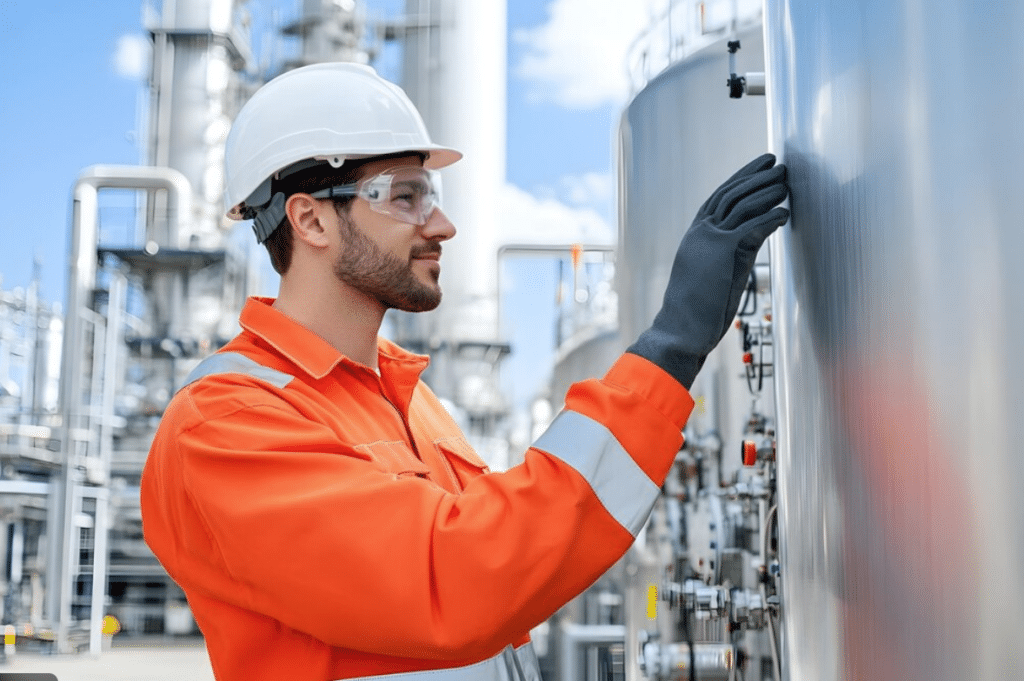
Tank containment systems are essential in industrial and commercial facilities for storing liquids, chemicals, and hazardous materials safely. These systems prevent spills, leaks, and environmental contamination while ensuring compliance with local, state, and federal regulations. However, even the most advanced tank containment design cannot perform optimally without regular maintenance. Consistent inspection and upkeep play a crucial role in preserving the integrity of containment systems and safeguarding both personnel and the surrounding environment.
Contents
The Importance of Routine Tank Containment Maintenance
Regular maintenance of tank containment systems ensures that the system functions as intended and mitigates potential risks. Tanks and their containment structures are subject to wear and tear over time due to environmental exposure, chemical reactions, and daily operational stress. Without maintenance, cracks, corrosion, or weakened barriers may go unnoticed, leaving the facility vulnerable to leaks or catastrophic spills.
Routine maintenance also supports operational efficiency. A well-maintained containment system allows for the safe and uninterrupted storage of hazardous materials, minimizing downtime and the need for emergency interventions. Inspecting and servicing containment structures regularly ensures that minor issues are addressed before they escalate into significant problems that could compromise facility safety or result in costly repairs.
Maintenance is not only about structural integrity but also compliance. Regulatory agencies, including the Environmental Protection Agency (EPA) and Occupational Safety and Health Administration (OSHA), have strict guidelines for tank containment inspections, reporting, and upkeep. Maintaining detailed records of inspections and repairs demonstrates compliance, reduces liability, and promotes a culture of safety within the facility.
Key Areas of Focus in Tank Containment Maintenance
Effective tank containment maintenance involves examining various components of the system to ensure optimal performance. Structural inspection is a primary focus, including walls, floors, and secondary containment barriers. Any signs of cracks, corrosion, or material degradation should be repaired immediately to prevent potential leaks. Materials such as concrete, steel, or high-density polymers each require specific inspection methods and maintenance practices to maintain their protective properties.
Secondary containment systems, including berms, spill pallets, and double-walled tanks, should also be checked regularly. These structures are designed to capture leaks or overflows, and their performance depends on proper upkeep. Ensuring that these containment measures are free of debris, properly sealed, and fully functional is essential for preventing spills from reaching the environment or adjacent operational areas.
Pumps, valves, and associated piping within the tank containment system must be maintained for optimal performance. Leaks or blockages in these components can compromise the containment system, even if the primary tank remains intact. Regular testing and maintenance of operational equipment ensure that the system functions correctly under all conditions and reduces the risk of accidental releases.
Documentation is a critical component of maintenance practices. Detailed records of inspections, repairs, and system tests provide evidence of compliance and allow facility managers to track the history and performance of containment systems. Proper documentation facilitates proactive maintenance planning, helping identify patterns or recurring issues that may require additional attention.
Benefits of Regular Tank Containment Maintenance
Routine maintenance enhances tank containment performance in multiple ways. The most apparent benefit is the prevention of spills and leaks. Addressing minor issues promptly reduces the likelihood of hazardous material release, protecting employees, the environment, and the facility itself. Preventing spills also minimizes cleanup costs, regulatory penalties, and potential legal liabilities.
Regular maintenance contributes to long-term durability and cost efficiency. By identifying and repairing small defects early, facilities can extend the lifespan of containment systems, avoiding expensive replacements or extensive reconstruction. Properly maintained systems operate more efficiently, reducing operational risks and supporting consistent facility performance.
Another significant benefit is improved safety. Workers operating in facilities with well-maintained tank containment systems are less exposed to hazardous materials and potential accidents. Maintenance activities such as inspecting containment barriers, checking for leaks, and ensuring secure fittings create a safer working environment. Safety is a top priority for industrial operations, and regular maintenance reinforces the commitment to protecting personnel.
Maintenance also supports regulatory compliance, a critical aspect of modern industrial operations. Many regulations require documented inspection schedules and maintenance records to verify that containment systems are functional and capable of handling the stored substances. Failure to maintain tanks and containment systems can result in fines, operational shutdowns, or legal action. Regular maintenance demonstrates adherence to regulations and promotes confidence among regulators, employees, and stakeholders.
Best Practices for Maintaining Tank Containment Systems
To ensure optimal performance, facilities should implement structured maintenance practices. Regular inspections should be scheduled based on the type of containment system, materials stored, and operational conditions. Inspections should include visual assessments, integrity testing, and functional checks of all containment components, including walls, barriers, and associated equipment.
Cleaning is an essential part of maintenance. Accumulated debris, chemical residues, and environmental elements can compromise containment performance. Routine cleaning ensures that secondary containment areas are clear and fully operational. For chemical storage, neutralizing residues and using compatible cleaning agents prevent degradation of containment materials.
Repairs should be conducted promptly and according to manufacturer recommendations or engineering guidelines. Minor issues such as small cracks, surface corrosion, or damaged seals can escalate if left unaddressed. Using proper repair techniques and materials maintains structural integrity and restores the system to its intended level of performance.
Staff training is another key aspect of maintenance. Personnel responsible for inspecting and maintaining containment systems should be knowledgeable about safety procedures, chemical compatibility, and regulatory requirements. Trained staff can identify potential issues early and take appropriate actions to mitigate risks, ensuring that the containment system continues to function effectively.
Finally, incorporating advanced monitoring technology can enhance maintenance efforts. Sensors, alarms, and automated inspection tools provide real-time data on the condition of tanks and containment systems. Monitoring systems help detect leaks, pressure changes, or structural weaknesses before they become critical issues, allowing for proactive maintenance and rapid response.
Regular maintenance of tank containment systems is an ongoing commitment that offers significant safety, environmental, and operational benefits. By addressing potential problems early, facilities reduce the risk of spills, ensure compliance, protect employees, and extend the lifespan of containment infrastructure. Well-maintained systems also promote operational efficiency and foster a culture of safety, which is vital in industrial and commercial environments.
Through consistent inspections, timely repairs, proper cleaning, staff training, and the use of monitoring technologies, facilities can maximize the performance of tank containment systems. Regular maintenance is not just a regulatory requirement—it is a strategic investment in safety, compliance, and long-term operational success. By prioritizing maintenance, facilities ensure that tank containment systems continue to provide effective spill prevention, environmental protection, and peace of mind.
