

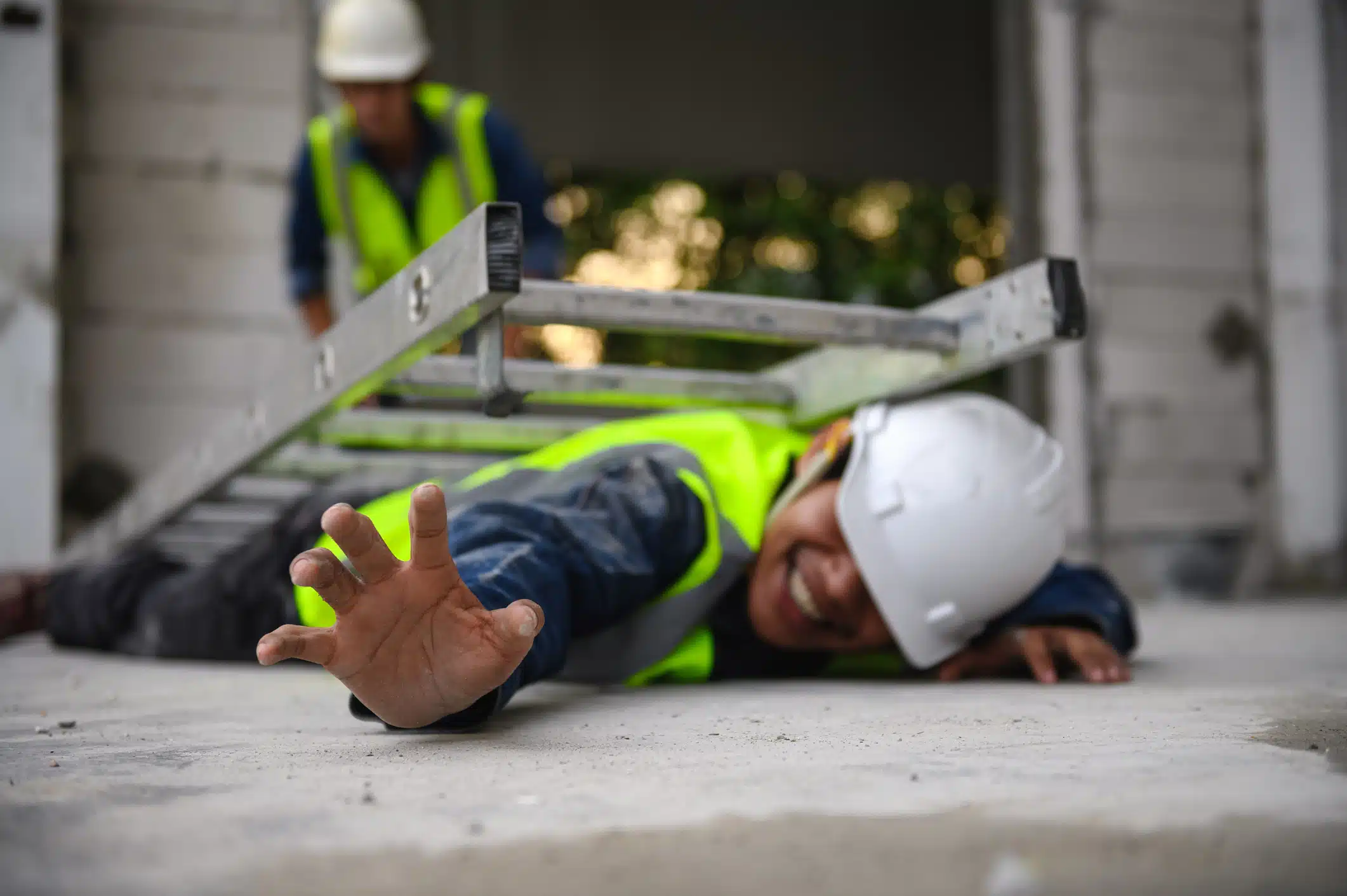
Construction work keeps communities moving, but it also carries real risk. When you get hurt on a job, pain is not the only burden. Lost wages, medical bills, pressure from supervisors, and fear about speaking up can leave you feeling trapped. You may wonder who will pay, how to report the injury, and whether you could lose your job for asking. This guide explains how to seek money for treatment, missed work, and long term harm after construction site injuries. You will see what to do in the first hours, how to document what happened, and how to protect your rights when others push back. You will also learn the difference between workers compensation and lawsuits, and when each may apply. No guesswork. Just clear steps so you can focus on healing while you pursue the help the law already promises you.
Step 1: Get medical care right away
Your health comes first. An injury that seems small can grow worse with time. Quick treatment also creates a clear record of what happened and when it happened.
Right after the injury you should:
- Call 911 for heavy bleeding, breathing trouble, or head injury
- Tell the doctor that you were hurt at work on a construction site
- List every body part that hurts, even if it feels minor
The medical record links your injury to your job. That record supports your claim for money. You can read more about job injuries and medical care from the National Institute for Occupational Safety and Health at https://www.cdc.gov/niosh/topics/construction/default.html.
Step 2: Report the injury to your employer
Next you need to report the injury. Many states set strict time limits. If you wait, you risk losing benefits.
Take these steps:
- Tell your supervisor as soon as you can
- Ask how to file a written incident report
- Keep a copy of every form you sign
If your boss tells you to keep quiet, that is a warning sign. You still have the right to report. Federal law protects you from retaliation for reporting unsafe work and injuries. You can see worker rights on the Occupational Safety and Health Administration site at https://www.osha.gov/workers.
Step 3: Collect proof of what happened
Evidence increases your power. You do not need legal training. You just need to save details.
Try to gather:
- Photos of the site, tools, and any hazards
- Names and phone numbers of witnesses
- Copies of pay stubs and work schedules
- All medical records and receipts
Write your own short timeline. Include the date, time, what you were doing, who was there, and what you felt right away. This simple record can carry weight months or years later.
Workers compensation or lawsuit
Most injured construction workers have at least one path to money. Often you start with workers compensation. Sometimes you also can sue another company or person.
Workers compensation compared to lawsuit after a construction injury
| Question | Workers compensation | Lawsuit against another party
|
|---|---|---|
| Who do you file against | Your employer or its insurer | Owner, general contractor, subcontractor, or equipment maker |
| Do you need to prove fault | No. You only need to show you were hurt at work | Yes. You must show someone acted in a careless way |
| What money can you get | Medical costs and part of lost wages | Full lost wages, pain, loss of future work, and more |
| How fast does it move | Often quicker | Often slower |
| Can you sue your own employer | Usually no | Sometimes only if rare rules apply |
You can often get workers compensation even if you made a mistake. That is because it is a no fault system. A lawsuit needs proof that someone else failed to keep you safe.
What workers compensation can cover
Workers compensation rules vary by state. Still most systems cover three main needs.
- Medical treatment including surgery, medicine, and therapy
- Partial wage replacement while you cannot work
- Payments for lasting disability or loss of use
Some systems also pay for travel to medical visits. Others pay for job training if you cannot return to heavy work. You can find links to your state workers compensation agency through the U.S. Department of Labor at https://www.dol.gov/general/topic/workcomp.
When a lawsuit may help you
Sometimes another company helps run the site. Sometimes a faulty tool or machine causes harm. In those cases a lawsuit may give you more money than workers compensation alone.
Examples include:
- A general contractor ignores fall protection rules and you fall from height
- A scaffolding company sets up unsafe supports that collapse
- A tool or ladder fails under normal use and causes injury
You often can get workers compensation and still sue another party for the same event. The systems follow different rules. Each case is unique, so careful advice matters.
Protect your rights after the injury
Pressure often rises after you file a claim. You might face blame or sudden changes in work duties. You can take steps to protect yourself.
- Keep all talks with supervisors polite and short
- Ask for written instructions instead of only spoken ones
- Do not sign forms you do not understand
- Do not skip medical visits or therapy
Each visit you attend shows that your injury is real and ongoing. Each record supports your claim for fair payment.
Support for your family
A construction injury hits the whole household. Paychecks shrink while costs rise. Honest talk at home can ease strain.
You can:
- Share a simple plan for bills, food, and rent
- Ask trusted family to help track appointments and papers
- Reach out to community groups for short term help
Children do not need every detail. They do need to hear that you have a plan and that you are seeking help promised by law.
Key steps to remember
After a construction site injury you can follow three core steps.
- Get medical care and tell the doctor it is a work injury
- Report the injury in writing and keep copies
- Save proof and learn whether workers compensation, a lawsuit, or both apply
You do not need to feel powerless. The law gives you tools to seek fair payment for harm suffered on the job. Steady action, clear records, and early help can move you toward recovery with more security for you and your family.
