

The Science Behind Scent and Memory
Scents have a profound ability to stir emotions and unlock memories in ways no other sense can. This is due to the olfactory system’s direct link to the limbic system, the part of the brain responsible for processing emotions and forming memories. When we encounter a familiar fragrance, such as the aroma of pine needles, baked bread, or even perfumes and colognes, it can instantly bring back vivid memories from our past. This connection is not merely anecdotal; scientific research has shown that smell can evoke emotional responses and memories more powerfully and quickly than visual or auditory stimuli.
This direct line from our noses to our emotional center not only explains why certain scents trigger nostalgia, but also how they can shape our feelings about a space. Designers and everyday people alike take advantage of this by introducing targeted aromas into homes, offices, and communal areas. Even subtle choices, such as the background aroma from perfumes and colognes, influence our perception of an environment’s warmth, professionalism, or comfort.
Integrating Scent into Interior Design
The art of integrating scent goes beyond simple air fresheners or candles. Interior designers are increasingly treating aroma as an essential layer of ambiance, on par with color, lighting, and materials. Fragrance can set a mood instantly: a hint of eucalyptus in a spa area signals serenity, while a touch of zesty citrus in a workspace increases energy and focus. The careful orchestration of scent helps to define the character of each zone in a home or business, creating areas of relaxation, invigoration, or warmth based on the chosen fragrance.
By considering the emotional impact of various aromas, designers can help clients curate environments that support well-being, hospitality, or productivity. This approach is supported by research indicating that olfactory cues can reinforce branding or behavioral cues in retail or hospitality settings.
Case Studies: Scent in Architectural Spaces
Scent-driven design has been embraced by innovative architects and hospitality groups worldwide. For example, an international hotel chain may deploy a signature blend of white tea and citrus in all its lobbies worldwide. This consistent use of scent reinforces brand identity and leaves guests with a pleasant, lingering association with the hotel long after their stay. Similarly, museums and galleries have begun using gentle, thematic aromas to reinforce particular exhibitions or historical re-creations, enhancing visitor immersion and memory retention.
Educational institutions and offices are also experimenting with aroma diffusion systems to increase alertness or reduce stress among students and employees. By incorporating specific fragrances into a space’s fabric, designers can make environments more stimulating or soothing as needed.
Practical Applications in Home Environments
Homeowners can use fragrance strategically to craft distinct moods in different rooms. For relaxation, classic choices like lavender and chamomile are favorites in bedrooms, helping ease stress and support restful sleep. For a lively touch, citrus-based aromas such as lemon or orange deliver a burst of energy to kitchens, dining areas, or workout rooms. Vanilla and cinnamon evoke comfort and warmth, making them perfect for living spaces, especially during colder months or holiday seasons.
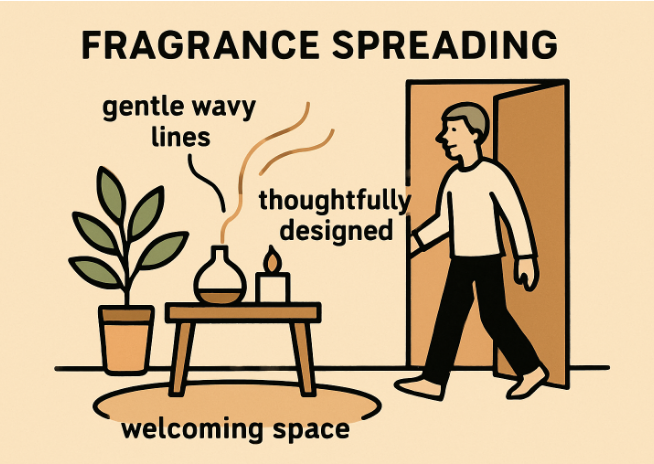
The right scent can elevate even small moments, making regular routines like reading, entertaining, or working from home more enjoyable and memorable. These applications harness the brain’s natural association between fragrance, emotion, and memory, creating a tailored, welcoming environment for all who enter.
The Role of Scent in Commercial Spaces
Businesses increasingly leverage the subtle yet powerful influence of scent to shape customer perceptions, enhance experiences, and increase brand loyalty. Luxury retailers might use unique fragrances to underscore exclusivity. At the same time, coffee shops or bakeries allow their natural aromas to permeate the environment, enticing customers and building lasting associations with comfort or indulgence. Hotels, spas, and senior living centers frequently introduce calming or signature scents to convey trust, relaxation, or a sense of home, leading to higher guest satisfaction and stronger emotional connections.
According to The Washington Post, the strategic use of aroma in these commercial settings has become so influential that “ambient scenting” is often part of the brand standard playbook for leading hospitality groups.
Challenges and Considerations
Despite the many advantages of using scent in both residential and commercial interiors, it is important to approach olfactory design thoughtfully. Fragrances can be highly subjective, and what smells appealing or comforting to some may cause discomfort or adverse reactions in others. Allergies, sensitivities, or cultural differences all influence scent preferences and tolerance levels. For this reason, professionals recommend using subtle, high-quality fragrances and, when possible, considering natural ventilation or customizable diffusion systems.
Designers also keep accessibility and inclusiveness in mind, aiming to select scents that are familiar, neutral, or calming to the broadest range of people. Testing and flexibility are key to ensuring that olfactory experiences enhance, rather than detract from, the overall ambiance.
Future Trends in Scent and Interior Design
The role of scent in architecture and interior design is poised for further innovation. Emerging technology enables discreet, programmable scent diffusers that let individuals adjust the fragrance in a room based on their activities or moods throughout the day. Smart home integration will soon offer personalized scent “scenes” coordinated with lighting, music, and temperature, creating fully immersive and customizable environments.
As research into the psychology of scent continues, expect to see even more nuanced and health-focused applications, such as odor therapy or scents designed to encourage creativity, relaxation, or social interaction. This multi-sensory approach is shaping the future of how people perceive, remember, and feel within their spaces.
Final Thoughts
Scent is a powerful yet often underappreciated element in interior design. When thoughtfully integrated, it can influence our emotional connections, trigger cherished memories, and enhance how we experience spaces every day. Whether at home, in a retail environment, or throughout vacation destinations, the right aroma can make a space significantly more inviting and memorable.
