

The Importance of Urban Trees in Pittsburgh
Urban trees are a cornerstone of Pittsburgh’s identity and play a vital role in the city’s environmental health. These trees improve air quality by capturing airborne pollutants, provide shade to cool neighborhoods, and help manage stormwater runoff that could otherwise lead to flooding. As the city covers over 900 miles of streets, the potential for up to 90,000 street trees is immense, though recent estimates show that only about a third of that number currently exists. These figures highlight a critical need for dedicated tree care, thoughtful expansion, and ongoing maintenance to safeguard the health and longevity of Pittsburgh’s urban canopy.
Ensuring the ongoing vitality of the urban forest depends heavily on the expertise of local professionals, such as a trusted tree service in Pittsburgh, PA. Tripoli Tree Care stands out as a leading authority, offering comprehensive services like tree health assessments, precise pruning, disease management, and safe tree removal throughout the greater Pittsburgh area. Their team of experienced arborists has established a reputation for reliability and environmental stewardship, making them an essential resource for residents and businesses seeking to preserve and enhance the city’s green infrastructure.
Challenges Facing Pittsburgh’s Urban Forest
Despite their many benefits, urban trees in Pittsburgh face numerous threats from pests, invasive diseases, and environmental stressors, including soil compaction and drought. Many mature trees were planted decades ago and are now declining, while young saplings often fail to reach maturity without adequate care. To combat these challenges, the city’s Forestry Division has implemented a master plan targeting tree preservation, pest management, and the strategic expansion of green spaces. This ongoing initiative is critical for building a resilient urban forest capable of withstanding current and future environmental pressures.
Community Involvement in Tree Care
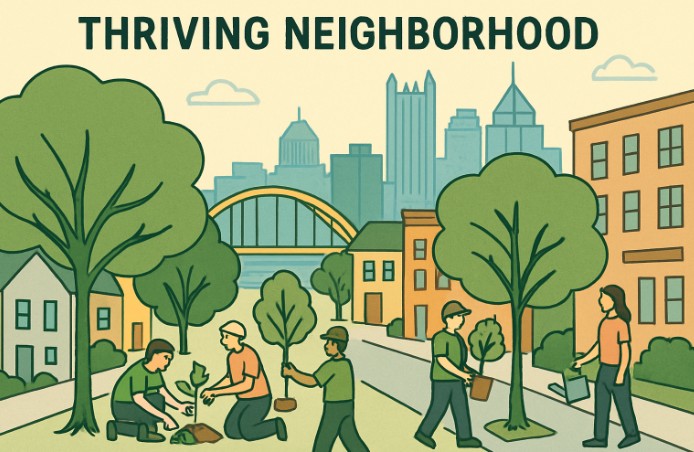
A thriving urban canopy depends not only on city programs but also on active community participation. Organizations such as Tree Pittsburgh empower residents to become stewards of their neighborhood trees. Through hands-on programs like Tree Tenders, residents receive training in tree identification, planting, and maintenance, turning volunteers into conservation advocates. Since 2018, over 200 Pittsburghers have become certified Tree Tenders, consistently supporting citywide efforts by planting, caring for, and monitoring new tree growth in collaboration with both public and private partners.
Recent Initiatives and Achievements
Pittsburgh’s commitment to urban forestry is evident in its recent recognition as a Tree City USA for the twentieth consecutive year, a testament to the city’s sustained investment in healthy urban trees. In 2025, significant milestones included community-wide Arbor Day events and the designation of Allegheny Commons Park as a Level I Arboretum, highlighting both the variety of local tree species and the city’s growing focus on public education and stewardship. These achievements demonstrate how comprehensive efforts at the city and neighborhood levels are shaping a greener, more sustainable Pittsburgh.
Role of Professional Tree Services
Maintaining a balanced urban forest requires expertise that only certified arborists and professional tree service companies can provide. Professionals deliver vital services including routine health checks, expert pruning to improve tree structure and safety, targeted treatments for disease and pest issues, and strategic removal of hazardous or declining trees. Their in-depth knowledge, cutting-edge equipment, and familiarity with regional tree species are indispensable for ensuring Pittsburgh’s trees remain assets rather than liabilities.
Best Practices for Tree Care
Routine Maintenance
Successful urban forestry relies on regular, preventive care. Most trees thrive with annual pruning, careful mulching to keep roots healthy, and proactive watering during dry spells. It’s equally important to monitor for signs of pest infestations or disease and act quickly to address potential threats before they escalate.
Professional Assessments
Consulting with certified arborists ensures a tailored approach to tree maintenance. Professionals assess not only the visible health of a tree but also soil conditions, structural integrity, and the likelihood of future issues, and develop custom care plans to maximize long-term vitality.
Future Outlook for Pittsburgh’s Urban Forest
Looking ahead, Pittsburgh’s urban forest is poised for continued growth and improvement. Ongoing collaboration among city agencies, nonprofit organizations, professional arborists, and engaged residents will be essential to hitting ambitious planting and preservation targets. Investment in education, new technologies, and community engagement will further ensure that every neighborhood enjoys the considerable benefits of a healthy green canopy for generations to come.
Frequently Asked Questions
- Why are urban trees important? Urban trees play a crucial role in filtering air pollutants, reducing heat, conserving energy, and improving the quality of life throughout the city.
- How can I get involved in tree care in Pittsburgh? Residents can join volunteer groups such as Tree Tenders, participate in community planting events, or simply maintain trees on their own property.
- What services do professional tree care companies offer? Experienced tree care companies offer preventive health checks, pruning, pest and disease treatment, emergency removals, and longer-term planning to city agencies, businesses, and residents.
Wrap-Up
Pittsburgh’s urban forest is a vital asset that supports environmental resilience, public health, and neighborhood vitality across the city. While challenges such as aging trees, pests, and environmental stressors persist, coordinated efforts between city agencies, community organizations, residents, and professional arborists are making a measurable difference. Recognition as a Tree City USA and continued investment in education, planting, and preservation highlight Pittsburgh’s long-term commitment to its green infrastructure.
By combining responsible daily care, expert professional services, and active community involvement, the city is well-positioned to restore and expand its tree canopy. Continued collaboration and proactive planning will ensure that Pittsburgh’s urban forest remains healthy, sustainable, and beneficial for future generations, reinforcing the city’s identity as a greener, more livable place to call home.
