

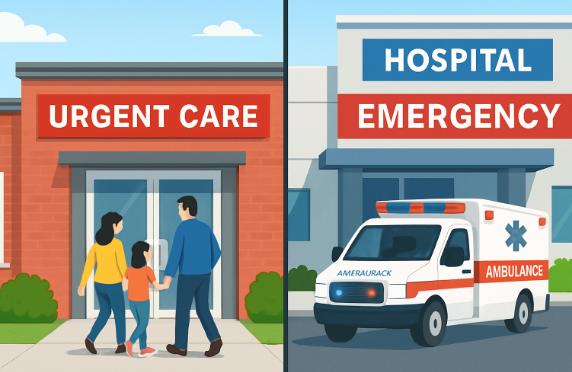
When faced with a sudden illness or injury, knowing whether to visit urgent care or the emergency room can have a significant impact on your health, finances, and time. The difference between these two options can often be confusing, especially in a stressful moment. For individuals seeking medical assistance outside of regular business hours, weekend urgent care services provide crucial flexibility and access to timely treatments.
Understanding the strengths of both urgent care centers and emergency rooms is crucial for making informed, timely decisions. Recognizing symptoms and assessing the severity of your condition will help you avoid unnecessary delays or expenses, ensuring you get the proper care when it matters most.
Understanding Urgent Care Centers
Urgent care centers fill the critical gap between routine doctor visits and higher-level emergency care. With extended evening and weekend hours, these clinics are ideal for treating sudden, non-life-threatening medical issues when primary care offices may be closed. Common conditions addressed at urgent care include:
- Minor sprains and fractures
- Cold and flu symptoms
- Earaches and mild infections
- Rashes or mild allergic reactions
- Minor cuts requiring stitches
Many urgent care centers offer on-site laboratory, X-ray, and diagnostic services that can rapidly identify and treat conditions. According to the Centers for Disease Control and Prevention (CDC), patients with minor ailments often experience much shorter wait times at urgent care clinics than in emergency departments, with many being seen in under half an hour.
This quick turnaround makes urgent care an attractive choice for individuals experiencing discomfort who do not have a primary care provider available—or whose symptoms escalate during nights or weekends.
When to Opt for the Emergency Room
Emergency rooms are staffed and equipped to handle life-threatening injuries and critically severe health issues. If you suspect a medical emergency that could jeopardize your life or long-term well-being, go directly to the nearest ER rather than an urgent care center. Warning signs that indicate the need for emergency care include:
- Sudden or severe chest pain or difficulty breathing
- Heavy, uncontrolled bleeding
- Loss of consciousness or seizures
- Severe head injury or trauma
- Signs of a stroke, such as one-sided numbness, confusion, or trouble speaking
- Major burns or severe allergic reactions
ER physicians have access to advanced diagnostic tools and specialty consultants who can immediately manage critical illnesses and trauma. Unlike urgent care, where lower-priority cases are treated first-come, first-served, emergency rooms triage incoming patients so that the sickest ones get urgent help immediately.
Cost Considerations
Healthcare costs are a significant factor for many families. On average, a visit to the emergency room is far more expensive than an urgent care visit, often totaling hundreds or even thousands of dollars for non-life-threatening conditions, according to Consumer Reports. Insurance plans typically have higher copays for emergency room treatment, and out-of-pocket costs can quickly accumulate if you are seen for a minor issue that is better suited for urgent care.
In contrast, urgent care provides a more affordable option for treating mild to moderate health issues. With the rise in high-deductible health plans, many consumers are choosing urgent care for issues that don’t require the resources and expense of an ER, contributing to a significant shift toward these clinics for non-emergent concerns.
Wait Times and Accessibility
Fast access to medical care is crucial, especially when discomfort or uncertainty is involved. Urgent care centers are generally more convenient, located within communities rather than on hospital campuses, and feature shorter wait times for non-emergent complaints. Many individuals are seen within 30 minutes without an appointment.
Emergency departments, however, see a high volume of patients. According to the CDC, average wait times for ERs can exceed an hour, with non-critical cases waiting even longer due to triage protocols prioritizing the most severe cases. This means if your medical situation is not critical, you may have to wait behind patients with more life-threatening issues.
Making the Right Choice
The key to making the right decision between urgent care and the ER is assessing your symptoms’ seriousness and urgency. Consider when your symptoms began, how quickly they are getting worse, and whether they limit your ability to function. For moderate illnesses or injuries, urgent care centers provide efficient, practical care—often at a significantly lower cost and with a quicker turnaround time than the ER. For true emergencies, immediate ER attention is crucial and might be lifesaving.
Tips for Easier Decision-Making
- If you are unsure, err on the side of caution and seek emergency care for severe symptoms.
- If a primary care provider is unavailable on weekends or after hours, consider visiting a weekend urgent care facility.
- Store the contact and directions for your nearest urgent care and emergency room in your phone for quick access during a crisis.
Conclusion
Knowing whether to choose urgent care or the emergency room can help you get the proper care more quickly, avoid unnecessary expenses, and ensure your safety. By understanding the key differences, recognizing the symptoms that need urgent ER attention, and preparing ahead, you can make the best choice for your health and well-being.
