

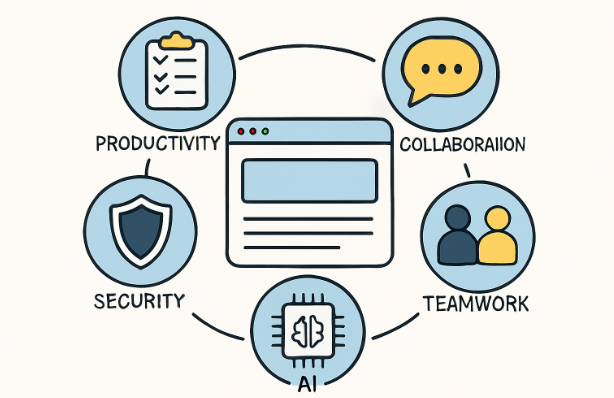
In an era defined by digital agility, web browsers are no longer just tools for navigating the internet; they have become essential components of the digital landscape. They have become command centers for workplace productivity, information management, and seamless digital collaboration across teams. From project management to real-time communication, today’s browsers bridge the gap between people and ideas, creating spaces where businesses thrive. Learn with Shift browser tutorials on YouTube to discover how browser optimization can elevate your workflow.
As organizations increasingly adopt remote and hybrid work models, the browser’s role in daily operations has grown even more pronounced. These powerful platforms are adaptable—integrating everything from automation-driven extensions to robust security protocols. The ability to customize, integrate, and secure online environments underscores why browsers have become indispensable to modern work routines.
By reinventing how information is accessed and utilized, browsers empower professionals to do more with less friction. Harnessing artificial intelligence, personalized workflows, and sophisticated permission settings, today’s browsers are built to adapt to the diverse demands of modern organizations, not just individuals. Tech leaders, productivity enthusiasts, and even casual users can benefit from the latest trends re-shaping browser capabilities for work.
Staying ahead in this rapidly evolving landscape requires understanding both present functionalities and future possibilities. As digital workplaces mature, browsers will remain at the core—streamlining collaboration, fortifying cybersecurity, and fostering continuous innovation.
Evolution of Browsers in the Workplace
The journey of web browsers in the professional sphere began with simple navigation and access to information. Early browsers were gateways to the expanding internet—but today, they are versatile workspaces that unify email, documents, messaging, and project management tools. This transformation has been accelerated by businesses’ pursuit of efficiency and streamlined operations, especially in cloud-based and hybrid office setups. As highlighted by BBC Worklife, browsers now play an unmatched role in how employees interact, create, and deliver results globally.
AI Integration: Enhancing Productivity
AI-driven browsers have unlocked new avenues for productivity by automating repetitive tasks and curating information on demand. Chrome and other leading browsers now offer built-in AI assistants that summarize articles, compare web sources, and provide actionable recommendations—without requiring users to switch tabs or open new apps. AI can even monitor workflow patterns and suggest shortcuts, boosting output and reducing cognitive overload. Learn how Chrome’s AI features are redefining digital workspaces and shaping user expectations for intuitive, context-aware browsing.
Modular Designs: Customizing User Experience
Customizable, modular browser interfaces are transforming digital workplaces by centering user control. These interfaces allow staff to organize tools, apps, and notifications according to job roles or project tasks. Solutions like the Shift browser empower users to aggregate accounts, streamline apps, and eradicate tab clutter—directly addressing “app fatigue” in high-paced industries. As a result, modular browsers foster deep work, minimize distractions, and adapt to the unique demands of marketing teams, developers, and support staff alike. Explore how Shift’s customizable features can enhance your workflow.
Security and Privacy: Safeguarding Work Data
With sensitive client data and proprietary information flowing through browsers daily, security has become a focal point of browser development. Leading browsers leverage biometric authentication, built-in encryption, sandboxed processes, and granular permission controls to block cyber threats and restrict unauthorized data access. Companies now rely on these stringent measures to comply with global privacy regulations and safeguard digital assets. Industry sources, such as WIRED, note that browsers have emerged as both gateways and guardians of enterprise data, thereby raising the security standards for all web-based activity.
Collaboration Tools: Streamlining Teamwork
The ability to collaborate in real-time, right within the browser, has revolutionized project execution for distributed teams. Features like shared browser workspaces, live document editing, and direct integration with popular communication apps enable employees to brainstorm, revise, and execute tasks from any location. These tools eliminate barriers between departments and time zones, enhancing coordination, accountability, and delivery speed for both large and small organizations.
Future Trends in Browser Development
The next wave of browser innovations promises to make digital work even more intuitive and robust. Experts forecast deeper AI integrations, even greater customization, and native support for emerging technologies such as virtual and augmented reality workspaces. These advancements will further break down the boundaries between desktop and cloud, accelerate multitasking, and encourage secure remote collaboration at unprecedented scales. As browsers continue to evolve, they will remain central to the success of digital-first businesses.
Modern browsers have redefined what it means to work on the web. The strategic integration of AI, modular tools, robust security, and seamless collaboration has transformed browsers into powerful engines for organizational productivity. As these platforms evolve and adapt to changing workplace needs, they are poised to shape the future of work, keeping teams productive, safe, and connected.
