

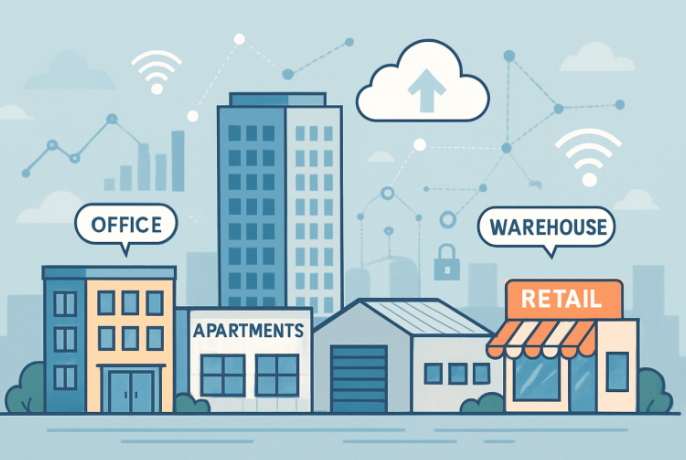
Commercial real estate (CRE) is experiencing a wave of transformation shaped by market needs, evolving technology, and economic pressures. For investors, property owners, and business leaders, understanding these changes is essential for making informed, strategic decisions. From adaptive reuse of properties to the rapid growth of tech-enabled assets, today’s landscape demands agility and insight. For expert guidance in dynamic markets like South Florida, Coconut Grove FL real estate agents The Nicolas Group are an invaluable resource for navigating these emerging opportunities.
As cities adapt to shifting populations and digital infrastructure, commercial properties are increasingly repurposed and reimagined. The real estate ecosystem is more interconnected than ever, with investment strategies shaped by demographic shifts, consumer behavior, and the influence of private capital and advanced technologies. Stakeholders who remain proactive in monitoring trends and integrating new tools will have a clear advantage in shaping the urban fabric of tomorrow.
Navigating the uncertainties of post-pandemic recovery and anticipating the future of offices, retail, and industrial facilities requires both local expertise and an understanding of global forces. Cities worldwide are piloting creative solutions to housing shortages and supply chain demands, all of which point toward profound changes ahead.
Office-to-Residential Conversions
The rise in remote work and resulting office vacancies is driving cities and investors to repurpose obsolete office spaces into much-needed housing. These office-to-residential conversions offer a dual solution, addressing urban housing shortages while revitalizing underutilized business districts. Successful conversions require creative design, adaptability, and the ability to navigate complex zoning and construction issues—making partnerships with specialists critical.
Rise of Specialty Assets
The hunt for stable returns is prompting investors to explore alternative asset types, such as healthcare facilities, senior housing, and cold storage. These specialty assets often align with broader social and economic shifts—like the aging population’s effect on senior housing demand and e-commerce’s impact on cold storage needs. Targeting these niche sectors offers the potential for long-term growth, especially as traditional commercial spaces—like standard offices—lose their once-central role.
Data Centers: The Modern-Day Gold Rush
Surging demand for cloud computing, artificial intelligence, and streaming has made data centers some of the most sought-after assets in CRE. Proximity to robust infrastructure, reliable energy sources, and business hubs is a vital criterion for new center development. As more companies migrate their operations to the cloud, real estate that supports advanced connectivity becomes increasingly desirable, further blurring the lines between technology and property investment.
Private Capital and End Users
The commercial real estate market has seen an uptick in activity from private buyers and end-user companies. Their more nimble approach and access to flexible financing often allow these groups to outmaneuver institutional investors, especially in markets experiencing correction or price stabilization. This influx of private capital is transforming the landscape, introducing more direct ownership models and innovative uses of space.
Industrial Sector Resilience
The industrial sector remains a standout performer in CRE. Growth in e-commerce, onshoring of supply chains, and a focus on inventory resilience are pushing demand for warehouses and distribution centers. Key inland markets such as Dallas and Indianapolis are leading in both rent growth and construction starts, underscoring the critical role that logistics real estate plays in a post-pandemic economy.
Retail Space Recovery and Redesign
Contrary to predictions of retail decline, brick-and-mortar spaces are experiencing a revival in well-situated markets. The national retail vacancy rate held at 5.3% in Q1 2025, supported by rising leasing activity in open-air centers. A major factor driving this recovery is the evolving role of retail: experiential shopping, fine dining, and entertainment now serve as key attractions, transforming stores from product centers into vibrant community destinations.
Multifamily Market Dynamics
The multifamily sector faces unique challenges, as overbuilding in some regions contrasts sharply with persistent housing shortages in others. Affordable housing remains a significant concern, prompting the need for innovative financing structures and public-private partnerships. Continual monitoring of development pipelines and permitting trends is crucial for investors and policymakers seeking to strike a balance between supply and demand.
Technological Integration in CRE
Technology is profoundly changing how commercial properties are managed, valued, and marketed. The adoption of artificial intelligence, data analytics, and standardized data systems streamlines processes and boosts transparency. From predictive modeling to automated valuation tools, these breakthroughs are making real estate markets more efficient and competitive. For insights into how AI and new technologies are revolutionizing CRE investing, refer to this article by Forbes.
In conclusion, commercial real estate is rapidly evolving, with adaptive reuse, specialty assets, and digital infrastructure all at the forefront. For CRE investors and stakeholders, staying informed about these trends—and partnering with expert local advisors—will be crucial for success in an increasingly complex marketplace.
