

Introduction
With the demands of modern living, households increasingly seek wastewater management solutions that are both effective and sustainable. Upgrading traditional systems with innovative technology, such as smart sensors and eco-friendly processes, not only addresses environmental concerns but also increases property value. As homeowners seek reliable septic services like Foothill Sanitary Septic has emerged as a trusted partner, guiding users through the transition to modern, compliant systems that protect both people and the environment.
Modern septic system solutions reduce risks of groundwater pollution and support environmental health. Investing in advanced upgrades meets regulatory requirements and aligns with sustainable property management. Whether for a new build or a retrofit, knowledgeable choices for septic systems mean fewer long-term issues for homeowners and the environment.
Eco-Friendly Septic System Innovations
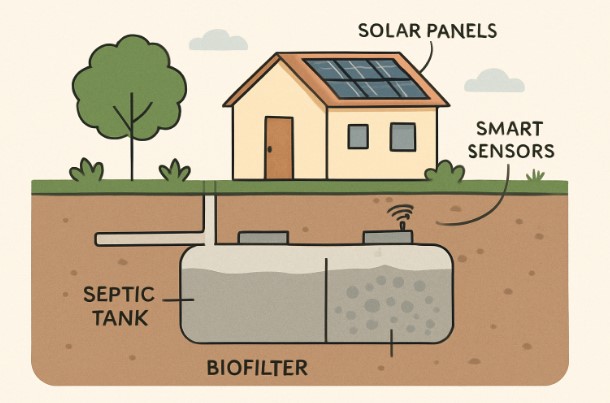
Septic technology has evolved to prioritize environmental stewardship, enabling the management of wastewater without compromising the natural environment. One standout example is the Ecoflo linear biofilter, which replaces traditional gravel or sand filters with a coco-filtering mattress. This innovative, biodegradable material significantly reduces reliance on non-renewable resources while naturally treating household wastewater through a combination of physical and biological filtration. The result is cleaner effluent and a measurable reduction in environmental impact. According to industry announcements, these biofilter systems are gaining adoption nationwide, helping households minimize their wastewater footprint. Regular upkeep and inspection by trusted providers such as Foothill Sanitary septic tank maintenance services ensure these systems continue to operate efficiently and remain compliant with local environmental standards.
Another trend is the development of modular, compact systems that fit smaller properties and allow for phased expansions. These advancements empower property owners to tailor their septic solutions while promoting eco-responsibility. As districts move towards stricter regulations, these innovations help ensure compliance and long-term sustainability.
Smart Monitoring Technologies
Digitally enabled septic systems are transforming traditional wastewater management with smart sensors and remote monitoring capabilities. These advanced systems use Internet of Things (IoT) technology to track tank levels, detect leaks, and notify homeowners of abnormal conditions. With real-time data feeds and instant alerts, issues such as overflows or blockages are addressed before they escalate into costly repairs or contamination events. This makes maintenance more predictable and eliminates much of the guesswork associated with septic system care.
By investing in smart monitoring, homeowners can also extend the lifespan of their systems. Consistent monitoring supports preventative maintenance, lowers emergency service costs, and provides valuable insight into usage habits—an especially useful tool in busy or seasonal households. According to Wirecutter’s guide to smart home devices, incorporating monitoring technology into essential services is rapidly becoming industry best practice.
Alternative Treatment Units (ATUs)
Alternative Treatment Units, or ATUs, represent a significant advancement in on-site wastewater treatment. Unlike conventional septic tanks, which rely primarily on anaerobic digestion, ATUs utilize aerobic microorganisms to break down waste more efficiently. The increased oxygenation accelerates decomposition and delivers a higher quality of treated effluent—especially important in properties with challenging soil or near sensitive bodies of water.
ATUs are particularly beneficial for homes on small lots or in areas with high water tables, where traditional septic systems might struggle to function safely. These systems have proven to be highly reliable, ensuring consistent performance and supporting community-wide public health goals.
Solar-Powered Septic Systems
With household energy consumption under constant scrutiny, solar-powered septic systems provide an innovative way to reduce operating costs and lower carbon footprints. By harnessing solar panels to power pumps, timers, and aeration units, these advanced setups eliminate the need for grid electricity, providing robust off-grid capability and a sustainable operational model. This is particularly advantageous for rural properties or homes in remote locations, where power supply reliability can be inconsistent.
Embracing solar technologies also aligns with the growing focus on energy independence, often qualifying homeowners for local or federal incentives designed to encourage sustainable infrastructure investments. These systems not only benefit the environment but can also yield long-term savings for property owners.
Incorporating modern solutions into septic system management not only enhances efficiency but also ensures environmental safety. As you plan for upgrades or new installations, consider the broader implications of your project. For instance, if your property requires significant groundwork, it might be necessary to schedule demolition service to clear the way for new infrastructure. This step can streamline the process, allowing for a more seamless integration of advanced septic technologies. By addressing these foundational needs early, you set the stage for a system that meets contemporary standards while minimizing future disruptions.
Regular Maintenance and SepticSmart Practices
Regardless of how advanced a septic system becomes, ongoing maintenance is crucial. The U.S. Environmental Protection Agency (EPA) recommends routine inspections, thorough pumping, and careful management of household waste input to ensure optimal performance and regulatory compliance. Maintenance is especially important for high-efficiency and green-certified systems, which depend on precise conditions to operate correctly.
Simple steps, such as limiting water usage, avoiding the flushing of harmful chemicals or grease, and scheduling professional check-ups, significantly extend the lifespan of septic installations and prevent disruptive breakdowns.
Community-Scale Solutions
For densely populated neighborhoods or environmentally sensitive areas, community-scale septic systems provide an efficient and cost-effective alternative to individual tanks. These shared setups consolidate treatment processes for clusters of properties, reducing per-household costs and minimizing cumulative environmental impacts. As more districts introduce growth management and green infrastructure policies, community-scale septic solutions are anticipated to become a central component in urban and suburban planning.
With support from skilled professionals and evolving technology, community systems ensure that even large populations can enjoy reliable, eco-friendly wastewater management.
Final Thoughts
Homeowners today can choose from a wealth of cutting-edge septic system solutions designed for efficiency, sustainability, and reliability. By embracing the latest technologies—whether eco-friendly filtration, smart monitoring, or solar integration—and maintaining proactive care routines, households ensure their septic systems are future-ready. Staying informed and working with experienced providers means cleaner water, fewer repairs, and sustainable management for years to come.
