

Waste management has come a long way from being just another checkbox on a compliance form. Today, it’s become a strategic cornerstone that directly influences how profitable your business can be, what customers think of your brand, and how seriously you’re taking environmental responsibility. Here’s the reality: every business creates waste, whether it’s a small startup or a massive corporation. The difference between success and struggle often comes down to how intelligently you’re handling that waste stream.
Companies that get this right aren’t just meeting regulations, they’re discovering genuine cost savings and operational efficiencies they never expected. Think about it: proper waste management slashes disposal costs, keeps you clear of environmental liabilities, and shows your customers you actually care about the planet (which matters more than ever). What’s particularly interesting? Employees feel better working for organizations that take environmental responsibility seriously, which helps you attract and retain top talent. Sure, there’s an upfront investment involved in building comprehensive waste management solutions, but the returns typically justify themselves through reduced hauling fees, recycling rebates, and avoiding those painful regulatory penalties that can cripple budgets.
Types of Waste Streams Businesses Must Address
Walk through any business operation, and you’ll quickly realize waste isn’t just waste, it’s actually multiple distinct streams that each require their own handling approach. Solid waste forms the bulk of what most companies deal with: office paper, packaging materials, cafeteria leftovers, and general refuse from everyday operations. But there’s so much more beneath the surface.
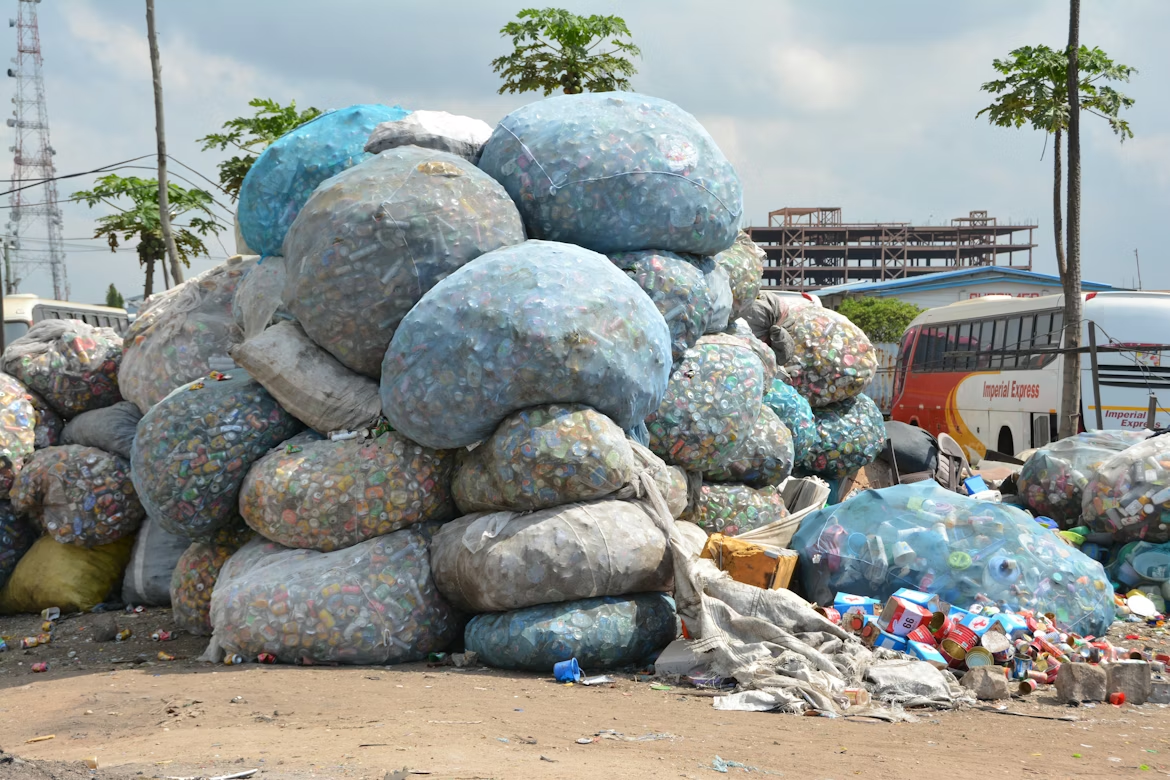
Recyclable materials, cardboard, plastics, metals, glass, need to be separated right at the source if you want to maximize their recovery value and keep them out of already overflowing landfills. Restaurants and food processing facilities generate organic waste that’s perfect for composting programs, which can create valuable soil amendments while dramatically reducing landfill burden. Then there’s the tricky stuff: hazardous waste like chemicals, batteries, electronic equipment, and medical materials that absolutely demand specialized handling to protect both people and the environment.
The real breakthrough comes when you take a close look at what your organization is actually throwing away. Most businesses discover that what they thought was one big pile of trash actually contains multiple separable components, each with its own recycling or recovery potential. Understanding your waste composition and volumes opens the door to targeted reduction strategies that make a measurable difference.
Regulatory Compliance and Legal Obligations
Navigating waste management regulations can feel like trying to read a map written in three different languages. The regulatory landscape is genuinely complex, with federal, state, and local requirements that sometimes overlap and sometimes contradict each other. The Environmental Protection Agency sets nationwide baseline standards for how you handle, transport, and dispose of waste, but that’s just the beginning.
State and local jurisdictions frequently add their own requirements on top of federal minimums, creating this layered framework that changes depending on where you’re operating. You’ll need to maintain detailed records documenting everything: waste quantities, disposal methods, transporter manifests, facility permits, the works. These records aren’t just paperwork exercises; they’re your protection during inspections and audits.
The consequences of getting this wrong? They’re severe enough to keep executives awake at night. Non-compliance can trigger substantial fines, force operational shutdowns, result in criminal charges against responsible parties, and require expensive remediation that costs exponentially more than prevention would have. Regular compliance audits by qualified environmental professionals help catch potential violations before they become enforcement actions. Staying current with evolving regulations requires ongoing education, which is why many businesses partner with waste management service providers who live and breathe this regulatory complexity every day.
Developing a Comprehensive Waste Reduction Strategy
Building an effective waste reduction strategy starts with knowing exactly what you’re dealing with, and that means conducting a thorough waste audit. This assessment needs to catalog every waste stream, measure volumes, analyze composition, and evaluate your current disposal methods to reveal inefficiencies and potential savings you might be missing.
Once you’ve got that baseline, set measurable reduction goals with specific timelines that create accountability. Track progress through key performance indicators like waste-per-employee or waste-per-unit-produced, metrics that actually tell you whether you’re improving or just spinning your wheels. Employee engagement programs prove absolutely essential here because sustainable success requires staff who understand proper waste sorting, reduction techniques, and why their choices matter.
Source reduction measures that eliminate unnecessary packaging, standardize reusable containers, and optimize inventory management prevent waste before it even happens, which is always the most cost-effective approach. For large-scale operations handling substantial volumes across multiple facilities, professionals often need specialized approaches to industrial waste management that can handle complex logistics and rigorous regulatory requirements.
Technology has transformed what’s possible in waste management. Waste tracking software, smart bins with fill-level sensors, and data analytics platforms now provide real-time visibility into your waste management performance, highlighting areas that need attention before they become problems. The key is treating your strategy as a living document, conduct regular reviews that incorporate stakeholder feedback to ensure continuous improvement and adaptation as business conditions and best practices evolve.
Selecting the Right Waste Management Partners
Choosing the right waste management service provider isn’t a decision to rush through during budget season. This partnership significantly influences how effective your program will be, how much it’ll cost, and whether you’ll stay compliant with all those regulations we discussed earlier.
Look for partners who offer comprehensive service capabilities spanning collection, transportation, processing, recycling, and disposal, integrated solutions beat fragmented services every time. Financial transparency matters enormously here: you need clear pricing structures, disclosure of any hidden fees, and flexible contract terms that let you make accurate cost comparisons and avoid unpleasant surprises down the road.
Check their compliance track records through regulatory agency databases, customer references, and industry certifications. These verification steps indicate provider reliability and reduce your liability exposure. Service quality metrics like on-time collection rates, customer support responsiveness, and reporting capabilities distinguish the exceptional providers from the merely adequate ones in this competitive marketplace.
Sustainability commitments reflected in high diversion rates, innovative recycling programs, and environmental certifications align with your corporate social responsibility objectives while enhancing your brand reputation. Don’t forget to consider geographic coverage and scalability, your selected partner should support business growth and expansion into new markets without requiring you to go through this selection process all over again.
Implementing effective waste management strategies is crucial for businesses aiming to enhance sustainability and reduce operational costs. By adopting innovative solutions, companies can minimize their environmental footprint while optimizing resource use. It’s essential to stay informed about the latest industry practices and technologies. For businesses in Boston, exploring local options can provide tailored solutions that meet specific needs. To ensure you’re making informed decisions, it’s advisable to check all details regarding available services and regulations. This approach not only supports compliance but also fosters a culture of responsibility and efficiency within the organization.
Conclusion
Effective waste management solutions represent far more than just staying on the right side of regulations. They’re strategic operational advantages that enhance profitability, boost sustainability credentials, and strengthen your competitive positioning in the marketplace. By understanding your diverse waste streams, maintaining solid regulatory compliance, developing comprehensive reduction strategies, and partnering with qualified service providers, you can transform waste management from a dreaded cost center into a genuine value-generating function.
The businesses that tackle waste management challenges proactively today are positioning themselves for long-term success in a marketplace where customers, investors, and employees increasingly demand responsible corporate citizenship. The returns are measurable and meaningful: reduced costs, minimized risks, and an enhanced reputation that creates value for all stakeholders. That’s not just good environmental stewardship, it’s smart business.
