

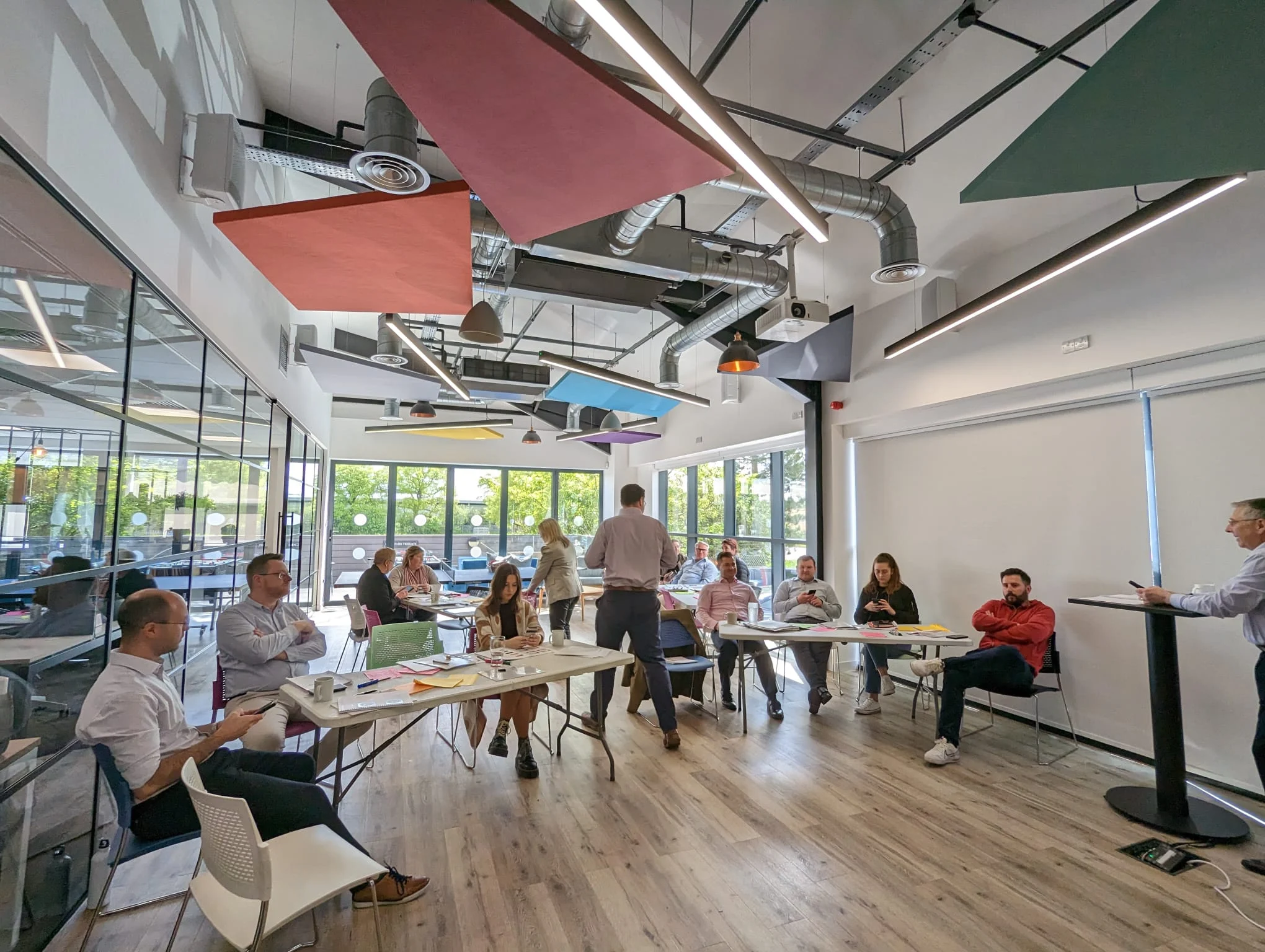
The Influence of Office Environments on Employee Well-being
The physical environment of your office plays a pivotal role in shaping employee mood, engagement, and overall productivity. Beyond aesthetics, workspace design influences how people feel and perform during their workday. Employees are significantly impacted by design elements such as lighting, acoustics, and color—factors proven to boost positivity and decrease stress. This is why consulting professionals with experience in Oklahoma City interior design can be a wise investment for organizations striving to enhance both well-being and productivity.
Numerous studies reveal that thoughtful choices in lighting and color can lead to measurable improvements in morale. For example, incorporating daylight or simulating natural light can reduce eyestrain and increase alertness. Modern layouts that provide access to greenery, calming hues, and ergonomic arrangements further contribute to mental wellness at work.
Productivity Boosts Through Thoughtful Workspace Layouts
The layout of an office has a direct impact on how well employees can concentrate, collaborate, and innovate. Cluttered or poorly organized spaces restrict movement, create distractions, and ultimately decrease output. In contrast, a well-planned office fosters both focused work sessions and seamless team interactions. Key elements of efficient layouts include clear pathways, concentrated work zones, and resource areas that minimize unnecessary disruptions for employees. According to Business.com, even minor adjustments in office design, like lighting, noise control, and ergonomic furniture, can significantly boost productivity and employee satisfaction.
- Ergonomic furniture for health and comfort
- Flexible seating arrangements to support individual and team tasks
- Abundant natural lighting and views of greenery
- Dedicated privacy zones for deep focus work
Adapting Office Design for Modern Work Trends
The rise of hybrid and remote work has revolutionized the priorities of office design. Flexibility is now crucial, as employees frequently alternate between working from home and the office. Multipurpose spaces allow for dynamic use, as they can host a team meeting one moment and support quiet solo tasks the next. Businesses are increasingly adopting movable partitions, modular furniture, and tech integrations to address a variety of work modes. For inspiration on creating functional and stylish workspaces, Architectural Digest showcases a range of innovative home office designs.
Thoughtful office design not only improves productivity but also enhances employee well-being. A well-arranged space can reduce stress and make daily tasks feel more manageable. Investing in adaptable work environments is becoming a key strategy for businesses seeking long-term success.
The Connection Between Brand Identity and Interior Design
A well-designed office is a powerful tool for communicating your company’s culture and values. Interior design decisions—from the color palette and furnishings to wall art and signage—broadcast who you are to employees and visitors alike. This is a chance to make a strong impression and boost internal pride.
- Color schemes that reflect brand colors
- Custom signage or murals showcasing company values
- Themed meeting spaces named after historical company milestones
- Showcasing local art reflecting community roots
Sustainability and Health in Modern Office Spaces
Sustainable and health-conscious design is rapidly becoming industry standard. Incorporating recycled or locally sourced materials, energy-efficient lighting, and live plant installations not only benefits the planet but also enhances employee health. Elements such as improved air filtration and natural lighting lead to tangible well-being benefits, including fewer sick days and lowered stress levels.
Steps to Elevate Your Office Design
- Assess your current workspace: Identify pain points and areas for improvement by observing how your team uses the office each day.
- Gather staff input: Conduct a survey of employees to determine which features matter most to them and identify potential changes that could enhance their work experience.
- Use data-driven insights: Base your design decisions on evidence from workplace research and industry benchmarks.
- Test, then iterate: Pilot new layouts or features in a limited area before making company-wide changes, soliciting employee feedback along the way.
Measuring Success: Office Design and Performance Metrics
Evaluating the effectiveness of a workplace redesign requires clear, research-backed metrics. The best indicators often include employee retention, job satisfaction, absenteeism rates, and productivity. Many businesses now conduct before-and-after surveys to track changes, analyze key data points like recruitment costs, and monitor output or innovation levels.
Establishing regular check-ins and open channels for feedback ensures your office adapts to changing needs over time—continuous improvement is the true hallmark of workplace excellence.
